Last updated November 21, 2026
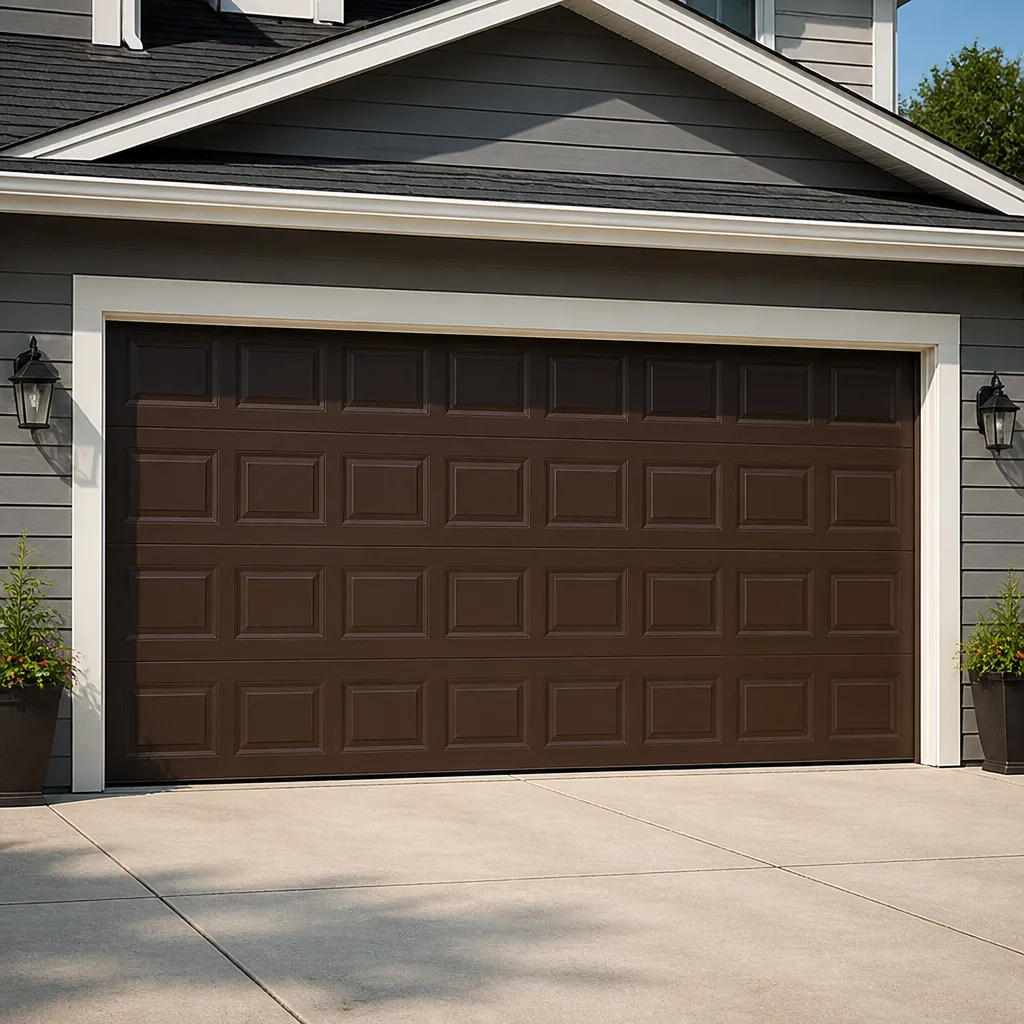 Raised-panel steel
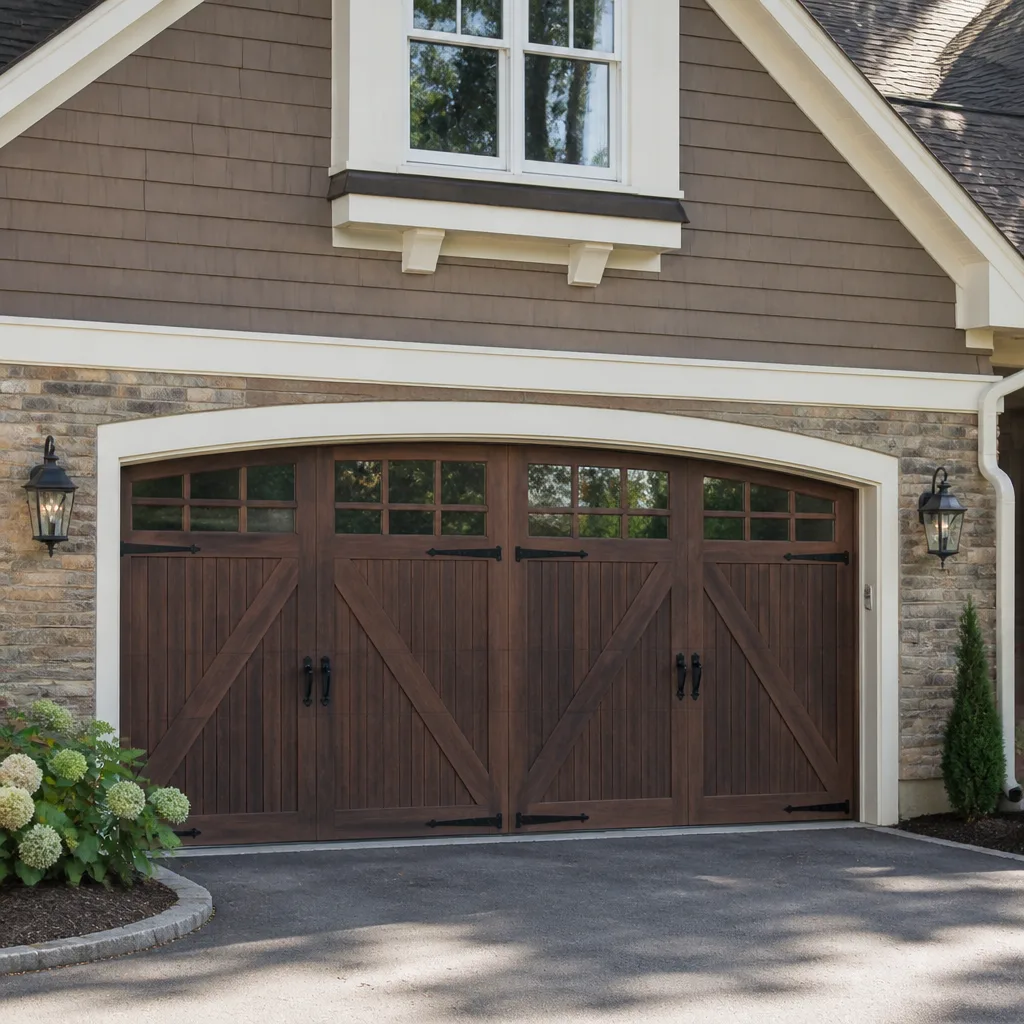 Carriage house
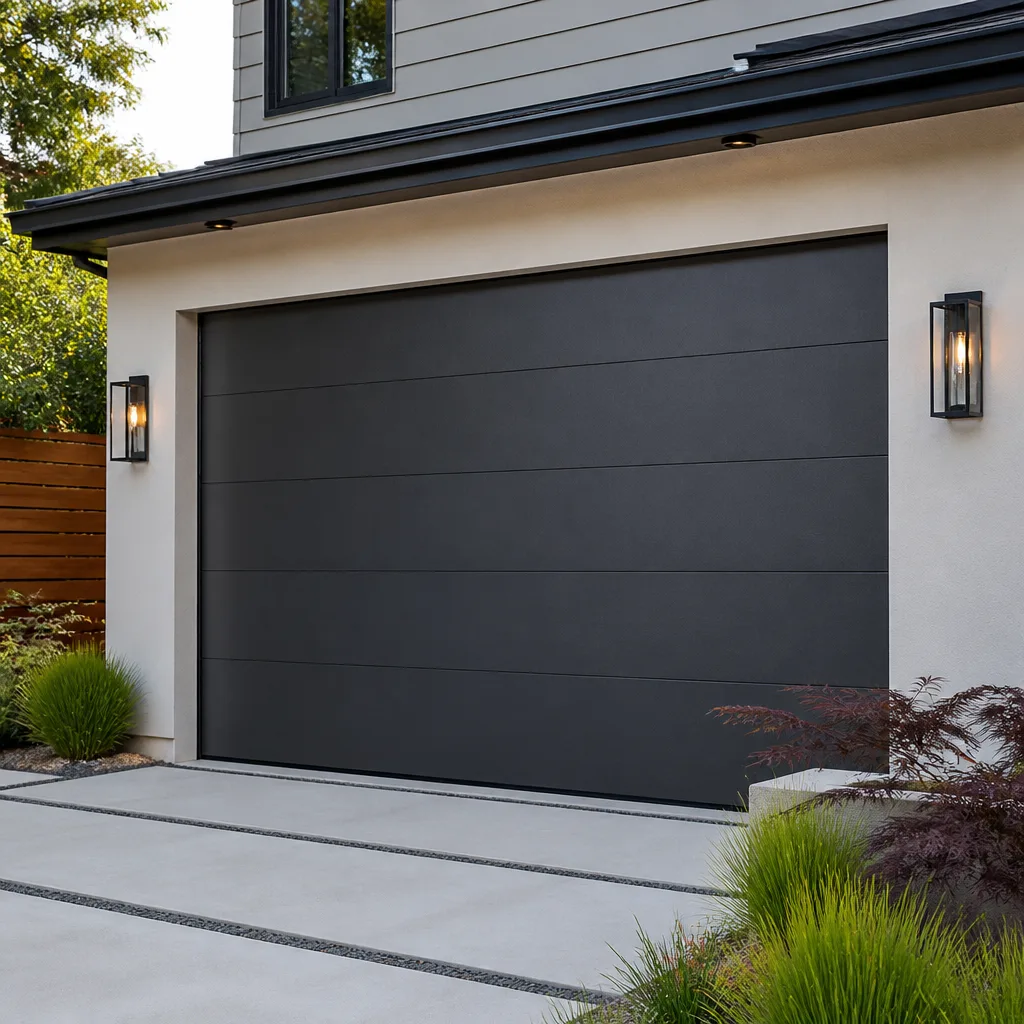 Modern flush
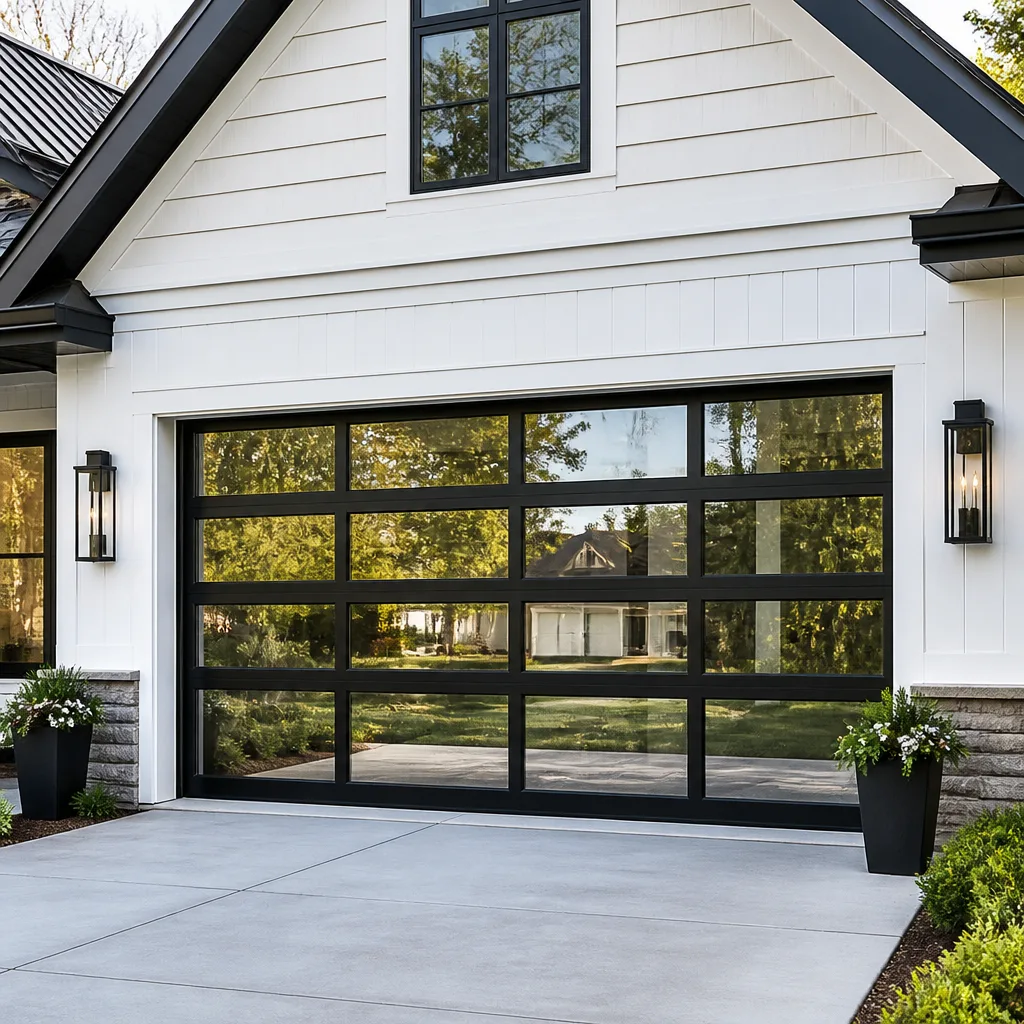 Full-view glass
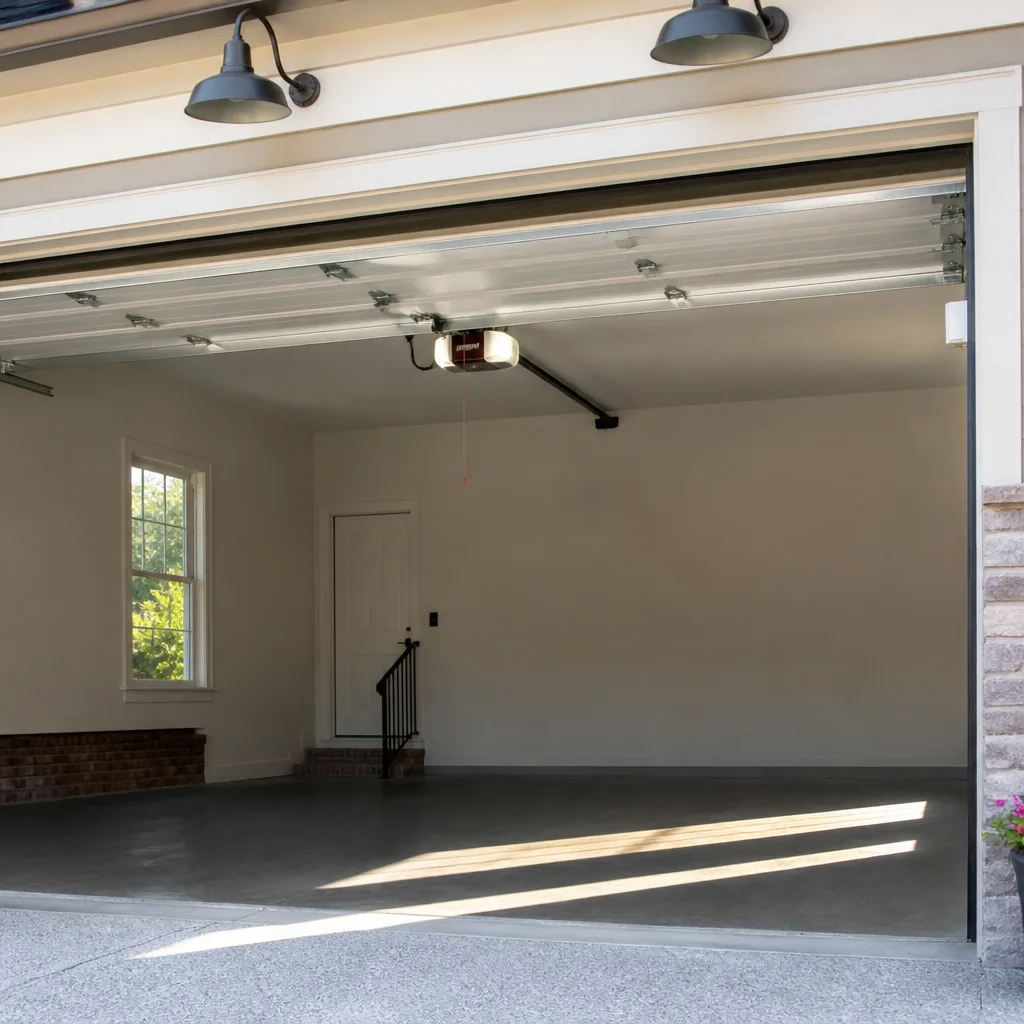 LiftMaster openers
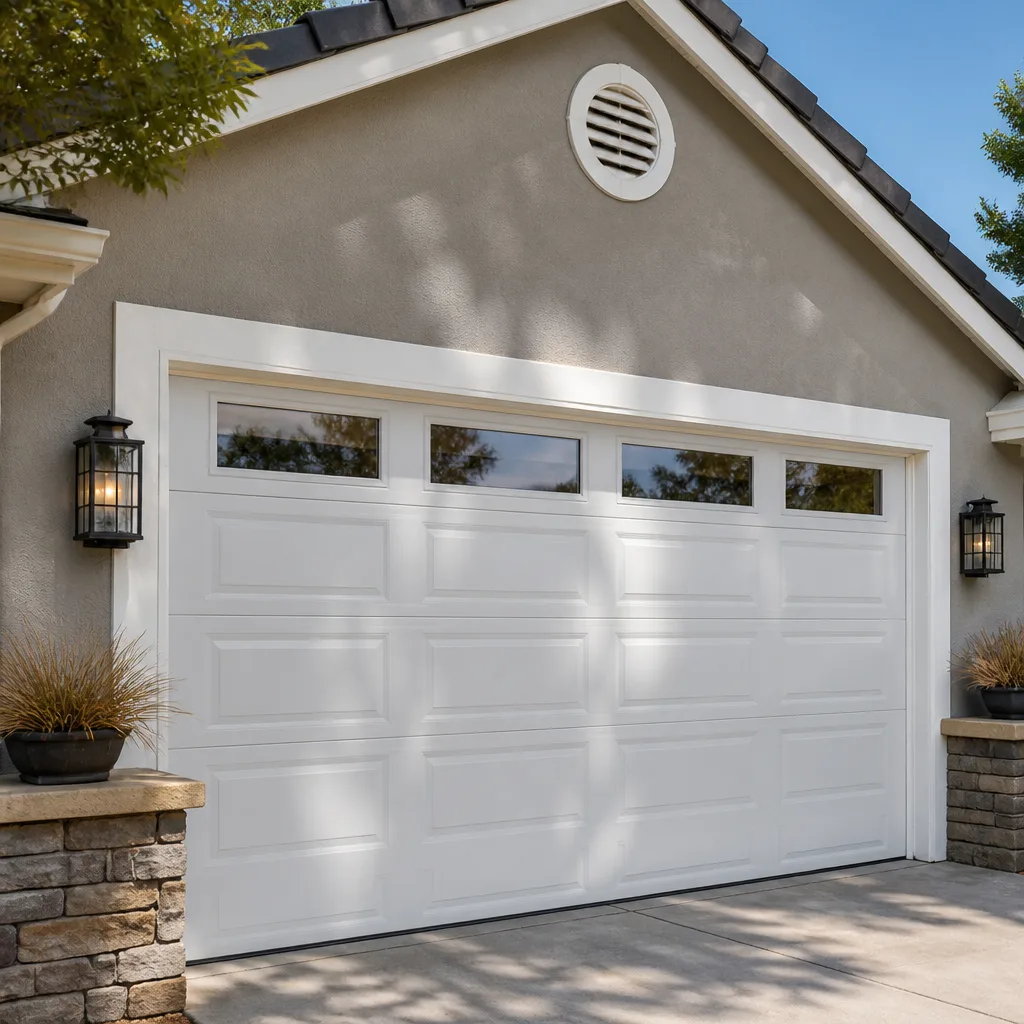 Chamberlain openers
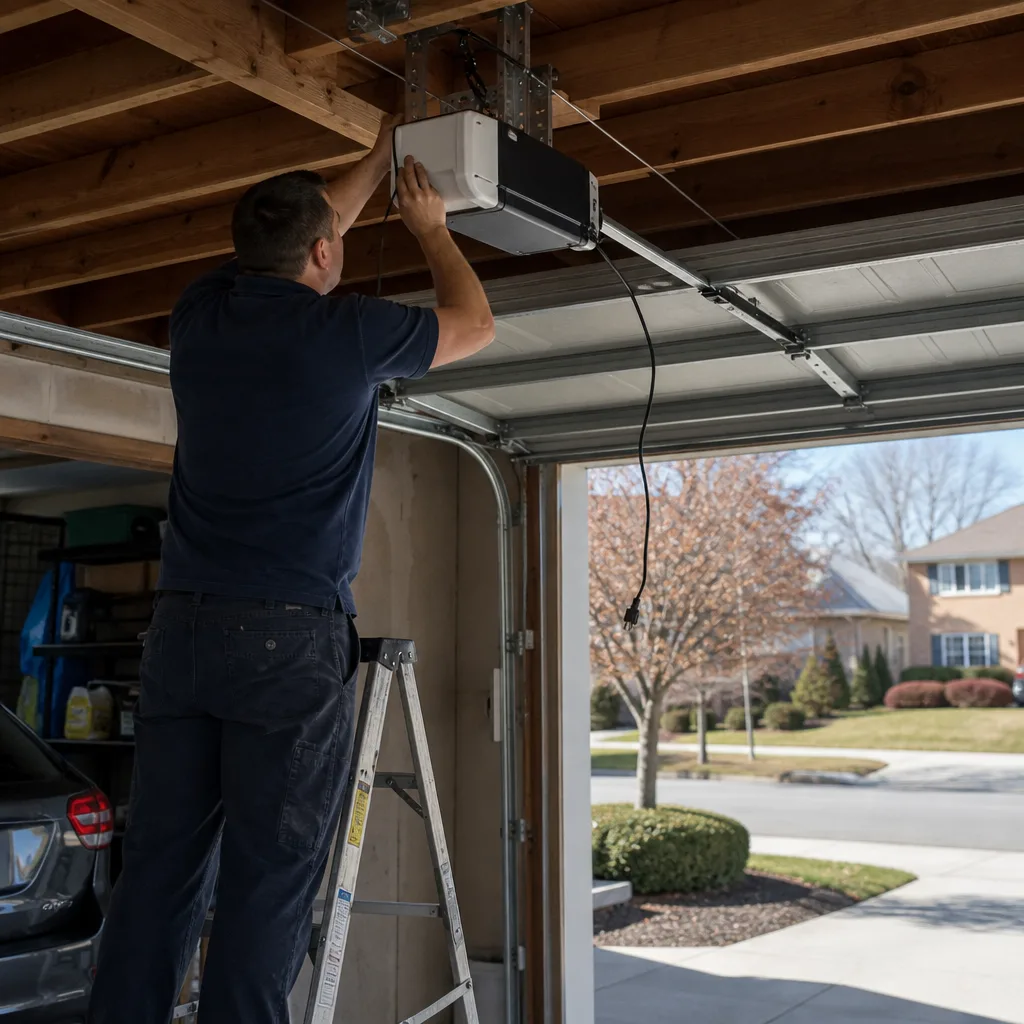
Full 25-point door and opener safety check with every visit - springs, cables, rollers, tracks, and your LiftMaster or Chamberlain opener included
You get a price before we start. It does not change when the pro arrives.
Get your free estimateChoosing the Right Garage Door Brand: A Buyer’s Guide for Mayfair
Most garage door buying advice starts with looks. That’s backwards. Picking the right garage door brand for a Mayfair home comes down to three things almost no brochure mentions: how much insulation the door actually delivers in an attached garage that shares a wall with your living room, how thick the steel is on a door that faces the street, and whether the technician who answers your call can get that brand’s parts without a three-to-five day wait. Clopay’s ads lead with curb appeal and say nothing about dealer networks, and that network is exactly what decides how long a repair takes when a spring breaks in your specific wire size. In this guide we’ll walk through the major brands against those real criteria, explain what R-values and steel gauges genuinely buy you, and give you one question to ask every installer that tells you more than any warranty document. Mayfair homes see real winters and dense street frontage, and the right brand balances both.
Quick Answer
The best garage door brand for a Mayfair home depends on three practical variables: insulation that fits an attached garage sharing a wall with living space, steel gauge thick enough to resist denting on a street-facing door, and local parts availability so repairs don’t stall. Clopay leads on panel style but depends on its dealer for parts; Amarr offers strong mid-range value with widely stocked hardware; Wayne Dalton gives you good steel options but its TorqueMaster spring system limits who can service it. Ask any installer whether they can service that door’s torsion spring with stock parts in three years, and let the answer guide your choice.
Styles & brands we work with
- Raised-panel steel
- Carriage house
- Modern flush
- Full-view glass
- LiftMaster openers
- Chamberlain openers
Table of Contents
- The Three Variables That Decide Brand Fit in Mayfair
- Brand-by-Brand Breakdown for Mayfair Homes
- Insulation Reality Check: What R-Value Really Means Here
- Steel Gauge Guide: 24, 25, and 27-Gauge Compared
- Opener Brand Pairing and Smart Home Integration
- The One Question to Ask Any Installer
- Common Mistakes to Avoid
- When to Call a Professional
The Three Variables That Decide Brand Fit in Mayfair
Garage door marketing is built around appearance, and appearance matters. But before you fall for a panel design, score every brand on three variables that actually affect how the door lives with you in Mayfair.
Insulation for an attached garage. A large share of Mayfair homes have garages attached to the house and sharing at least one interior wall. An uninsulated door turns that garage into a cold room all winter and a hot one all summer, and that heat or cold pushes through the shared wall. Insulation value is the first variable, and it’s not measured the way the label suggests.
Steel gauge for street-facing doors. Mayfair’s neighborhoods are dense, and many garages sit close to the alley, driveway, or sidewalk. A door that faces passing foot traffic, basketballs, bicycles, and car doors needs thicker steel than one tucked out of the way. Gauge numbers are counterintuitive: lower numbers mean thicker steel.
Local parts availability. This is the variable buyers forget. Garage doors fail at the springs and openers first, and the springs are matched to your door’s weight and wire size. If the brand’s springs aren’t stocked by an area technician, a job that should be same-day turns into a three to five day wait while parts ship. For a garage door repair in Mayfair, that wait can mean days of parking on the street.
Score each brand on all three, weighted by your own setup: attached garage first, street exposure second, and parts availability always in the mix. We work on Mayfair doors every week and the pattern holds. The brands that rank well on all three are the ones homeowners stay happy with.
Brand-by-Brand Breakdown for Mayfair Homes
Here’s how the major brands stack up on the three variables. Every brand has strengths; the goal is matching strengths to your Mayfair home.
Clopay
Best panel aesthetic variety of any brand on this list. Clopay’s catalog spans modern flush panels, carriage-house styles, and traditional raised-panel looks, and for a Mayfair home where the garage faces the street, that range matters. The catch is the dealer network. Clopay parts availability depends on whether a local technician stocks that door’s springs in the right wire size. When they do, repairs are quick; when they don’t, you’re waiting on a shipment.
Wayne Dalton
Wayne Dalton offers excellent steel gauge options and solid construction. The important thing to know is the TorqueMaster spring system on many of their doors. It’s a proprietary torsion design, and it limits who can service the door. Ask specifically whether your technician can service TorqueMaster springs, because not every shop can. If the door has standard torsion springs instead, the field opens up.
Amarr
Amarr is strong mid-range value, and their hardware is widely stocked across the trade. That combination means the door delivers dependable insulation at a fair price and, more importantly, repairs don’t stall waiting on a specific part. For a Mayfair homeowner who wants a door they can get serviced without drama, Amarr is a steady pick.
CHI Overhead Doors
CHI is where commercial-grade construction meets residential style. For high-use Mayfair households (a door that cycles many times a day, or a small-business property with constant traffic), CHI’s heavier build can be worth the premium. It’s a less common brand on residential streets, so confirm parts availability before committing.
How the brands compare on the three variables
- Panel variety: Clopay leads, then Amarr and Wayne Dalton.
- Steel gauge options: Wayne Dalton and CHI offer the most robust builds.
- Parts availability in Mayfair: Amarr’s widely stocked hardware and standard-torsion brands are easiest to service quickly, while TorqueMaster and dealer-networked brands need a check first.
- Insulation depth: All four offer insulated and non-insulated tiers, but the tier you buy matters more than the label. See the next section.
No single brand wins everywhere. The right one depends on whether your garage is attached, how exposed the door is, and which technician you’ll rely on when a spring breaks. When you need a new door or a replacement, garage door installation should be measured and scheduled rather than rushed, which gives you time to get this choice right.
Insulation Reality Check: What R-Value Really Means Here
R-value is a measure of how well a material resists heat flow, and every garage door brand boasts a number. The number you see is measured in a lab under steady conditions with a fully sealed door. A Mayfair garage sees 20°F winters, wind, a slightly imperfect weather seal, and a door with windows or a row of hinges. What R-16 means in a lab is not what it means standing in your driveway in January.
That doesn’t make insulation worthless. It makes insulation a matter of tiers.
- Tier one: no insulation. A single-layer steel door is essentially a heat conductor. On an attached Mayfair garage, this is the worst choice you can make if comfort and energy matter.
- Tier two: insulated panels, basic core. Two or three layers with a polystyrene or polyurethane core. This is the sweet spot for most Mayfair homes: it meaningfully slows heat loss through the shared wall without paying a marketing premium.
- Tier three: high R-value premium doors. These deliver real gains, but the extra R beyond the mid tier usually doesn’t pay back on an attached garage the way the jump from tier one to tier two does.
Here’s the practical test. Ask what the door is rated at in the configuration you’re buying, not the best number in the brochure. A door with windows loses insulation value in those panels. A door with wide gaps at the bottom seal loses it there too. If you’re packing the walls next to the garage with better insulation, spending heavily on the garage door behind that wall offers diminishing returns.
For most Mayfair attached garages we’d tell you to buy a solidly insulated mid-tier door and spend the difference on a door that fits and seals tightly. That’s the honest answer, and it’s why we like advising on repair-versus-replace as a specialist: garage doors are all we do, so we’re not trying to sell you a bigger door to compensate for a wall problem.
Steel Gauge Guide: 24, 25, and 27-Gauge Compared
Steel gauge is the measurement of the steel’s thickness, and the scale runs backwards: 24-gauge is thicker than 25-gauge, which is thicker than 27-gauge. The gap between them sounds tiny. In practice, it’s the difference between a door that nods when a basketball hits it and one that dents.
Here’s how the common gauges behave on a garage door.
- 24-gauge: The thickest of the common residential gauges. Best dent resistance and the most substantial feel. This is the gauge to pick for a street-facing Mayfair garage where bicycles, cars, and passing activity put the door in the line of fire.
- 25-gauge: The middle ground. Reasonably resistant to everyday knocks; a good fit for a garage set back from the street, or where budget matters more than maximum toughness.
- 27-gauge: The lightest common option. It moves easily and saves cost, but it dents more readily. It suits a sheltered door that’s rarely in the way of anything.
Selecting the right gauge follows a simple process:
- Stand at the street or alley and look at how close your door sits to where cars, bikes, and people pass. This is your exposure.
- For a highly exposed door, choose 24-gauge at the panel and consider heavier hinge and track hardware.
- For a moderately exposed door, 25-gauge is a fair balance.
- For a sheltered door on a quiet interior drive, 27-gauge will serve you without overspending.
Remember that a thicker steel door weighs more, and a heavier door can stress the springs and opener if they aren’t matched to it. If you’re changing the door’s weight when you replace it, the springs and the opener need to be looked at together. Wayne Dalton and CHI offer some of the most robust steel options on the market; whichever brand you choose, the gauge decision should come before the style decision.
Opener Brand Pairing and Smart Home Integration
The door and the opener are two halves of one machine. Buy a heavy insulated door with quality steel and then pair it with an undersized opener and you’ll get sluggish opening, premature wear on the opener’s geartrain, and a door that struggles to close against its own weight. Pair well and the system lasts.
Match the opener’s capacity to the door
Look at the door’s weight and the opener’s rated lifting capacity. Insulated doors are heavier than single-layer doors, and if you are switching from one to the other, the opener may need upgrading too. A specialist can check the door’s balance and the opener’s rating together so both pieces are matched.
Smart home integration: LiftMaster and Chamberlain
If you want the door on your phone or a smart home system, the opener brand matters. LiftMaster and Chamberlain share a heritage, and their platforms connect easily to home automation. LiftMaster’s myQ ecosystem is the one most homeowners ask about for app control and status checks, and Chamberlain’s platform gives you similar connectivity. Genie’s ecosystem is solid too, and if your home runs on a Genie opener, staying with Genie when you replace the opener keeps things simple.
Why pairing matters for a Mayfair door
A Mayfair detached garage or a converted space may have an older opener and a newer door, or the reverse. When the two are mismatched, the opener wears faster and the door feels wrong. That’s why garage door opener repair is often really a pairing problem: the door and the opener need to be looked at as a system, not patched separately. Our technician will test the door’s balance, the spring tension, and the opener’s safety reverse together so the movement you feel at the wall is smooth, not fighting.
One call covers the whole system. That matters most with openers, because so many “opener failures” turn out to be a door balance issue or a worn spring.
The One Question to Ask Any Installer
If you ask only one thing when comparing installers, make it this: “If this door needs a torsion spring in three years, can you service it with stock parts?”
The answer reveals more than any warranty document. Here’s why.
- It exposes parts reality. A technician who can name the wire size and confirm whether they stock that spring is telling you the service will be fast. A vague answer means a shipment and a wait.
- It tests brand familiarity. We work on eight of the most commonly installed door and opener brands, so we’ve handled this question for every one of them. A specialist who services a wide brand spread will answer confidently.
- It tells you whether the person doing the measuring is the person doing the repair. If the installer can’t tell you how the spring will be serviced, that’s a sign the service may be subcontracted later.
- It flags proprietary systems. Wayne Dalton’s TorqueMaster is the classic example. If the installer doesn’t mention it, they may not be set up to service that door’s springs.
Two more questions worth asking:
- “Can you measure the door and quote in writing before I commit?” The written quote is the price, and the measurement before the order is where you catch running room, headroom, and low-clearance issues.
- “If I have a different opener brand than my door, will you test the whole system?” A proper installation involves the balance, the springs, and the opener together, not just the panels going in.
Bring these to any Mayfair installation or replacement conversation. It’s the kind of question a true specialist expects to hear, and a generalist will find it awkward.
Why Mayfair Climate and Housing Shape the Brand Decision
Mayfair winters aren’t the extreme of northern New England, but a garage door here faces a real cold season. Twenty degree mornings are common, ice forms on driveways, and garage doors cycle in weather that stresses springs and seals alike. Insulation matters because the garage sits against living space, and the cold pushes through that shared wall. So the door and its seal quality shape how warm the rooms adjacent to the garage feel. This is one reason we tell homeowners to buy a door with a good bottom seal and insulated panels before considering a premium R-value rating.
Housing stock plays a role too. Mayfair homes are often close together, garages face alleys or streets, and driveways are frequently shared or tight. That density is why steel gauge matters here and why many doors are within easy reach of the street. It’s also why the door’s running room, headroom, and side clearance need measuring before a brand is chosen: a low-headroom garage needs a low-clearance door and a low-clearance opener, and not every brand’s entry-level door offers that.
None of this is exotic. But brand marketing is national, and your garage is specific. Score every brand against Mayfair conditions and you’ll pick well.
See the difference
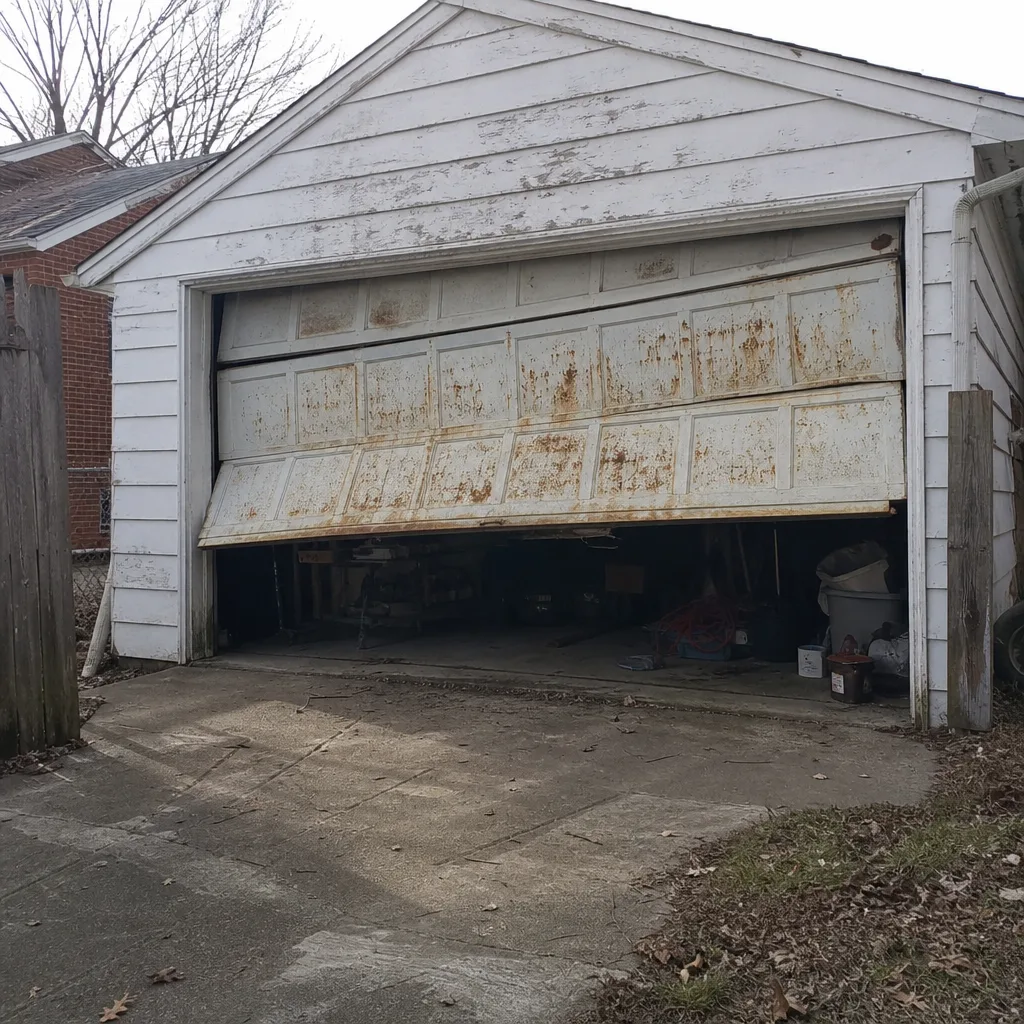 Before
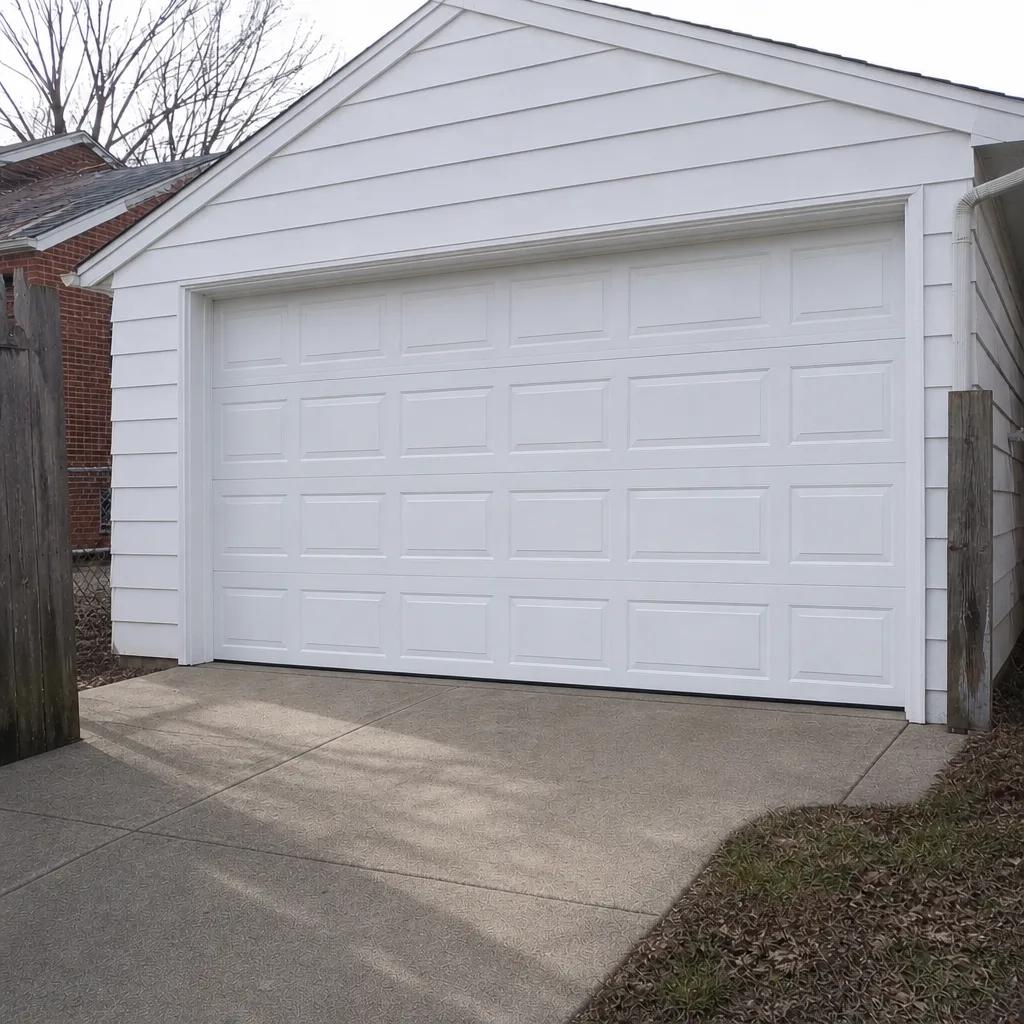 After
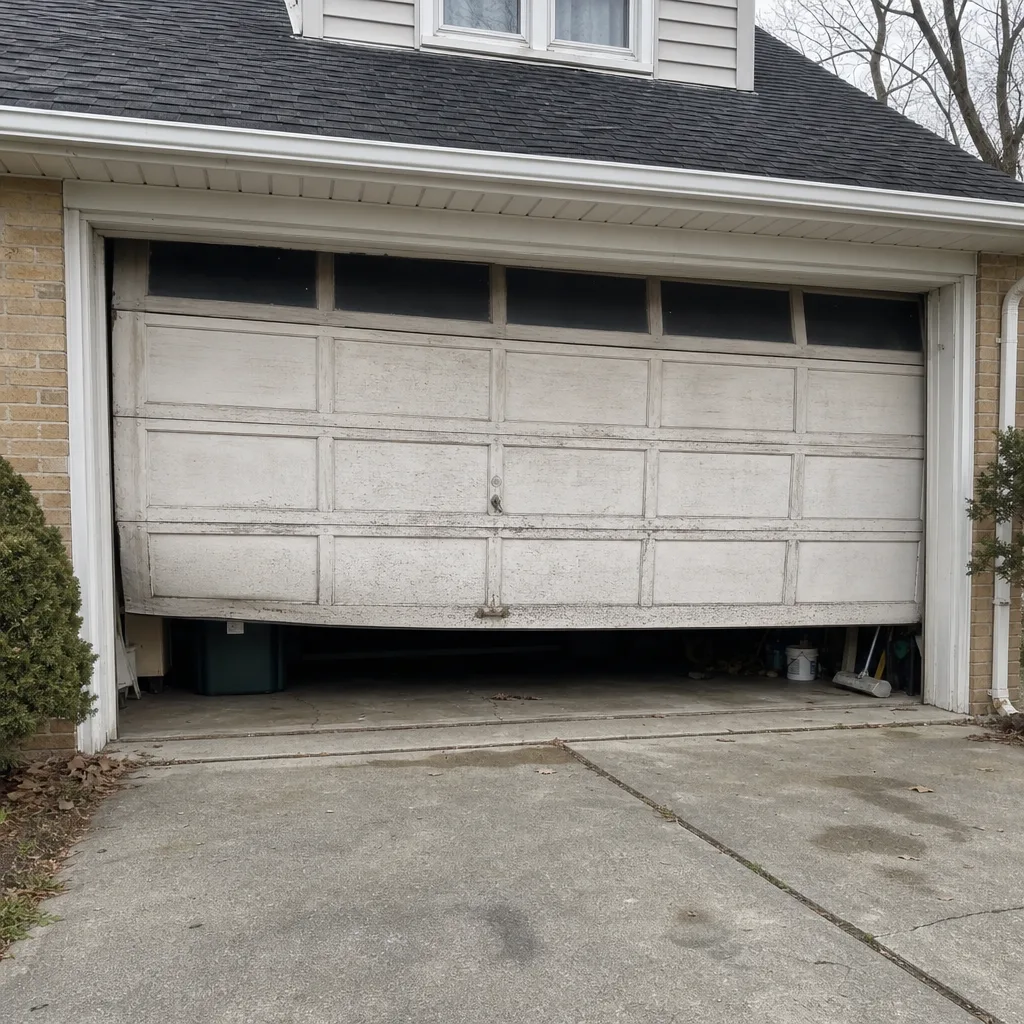 Before
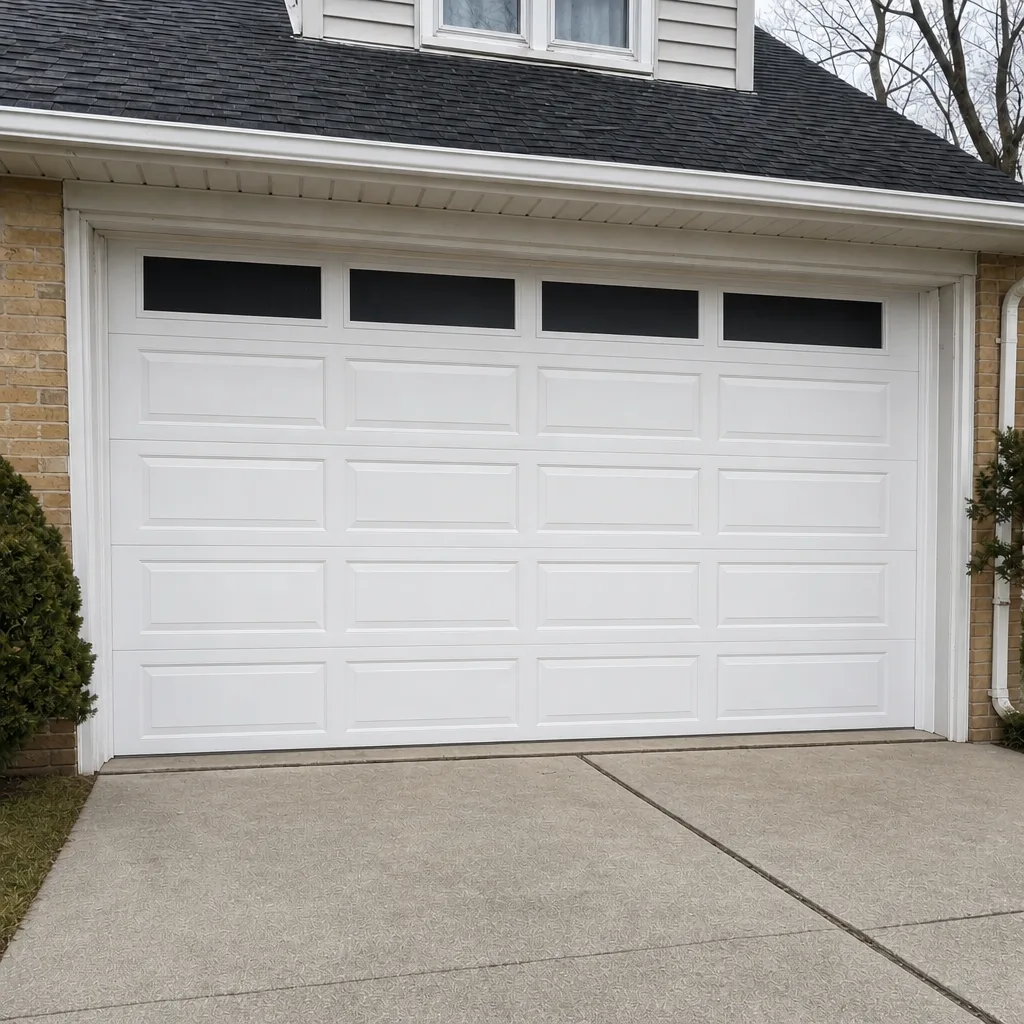 After
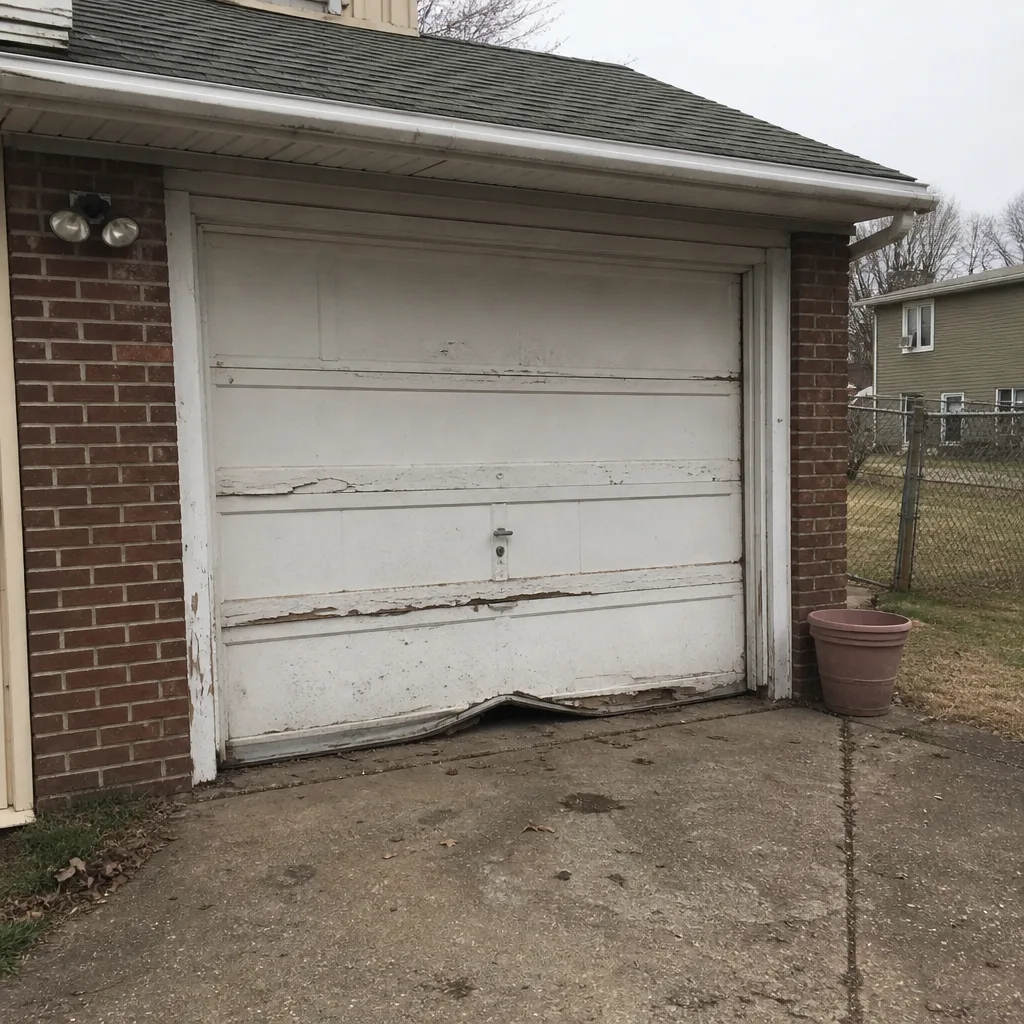 Before
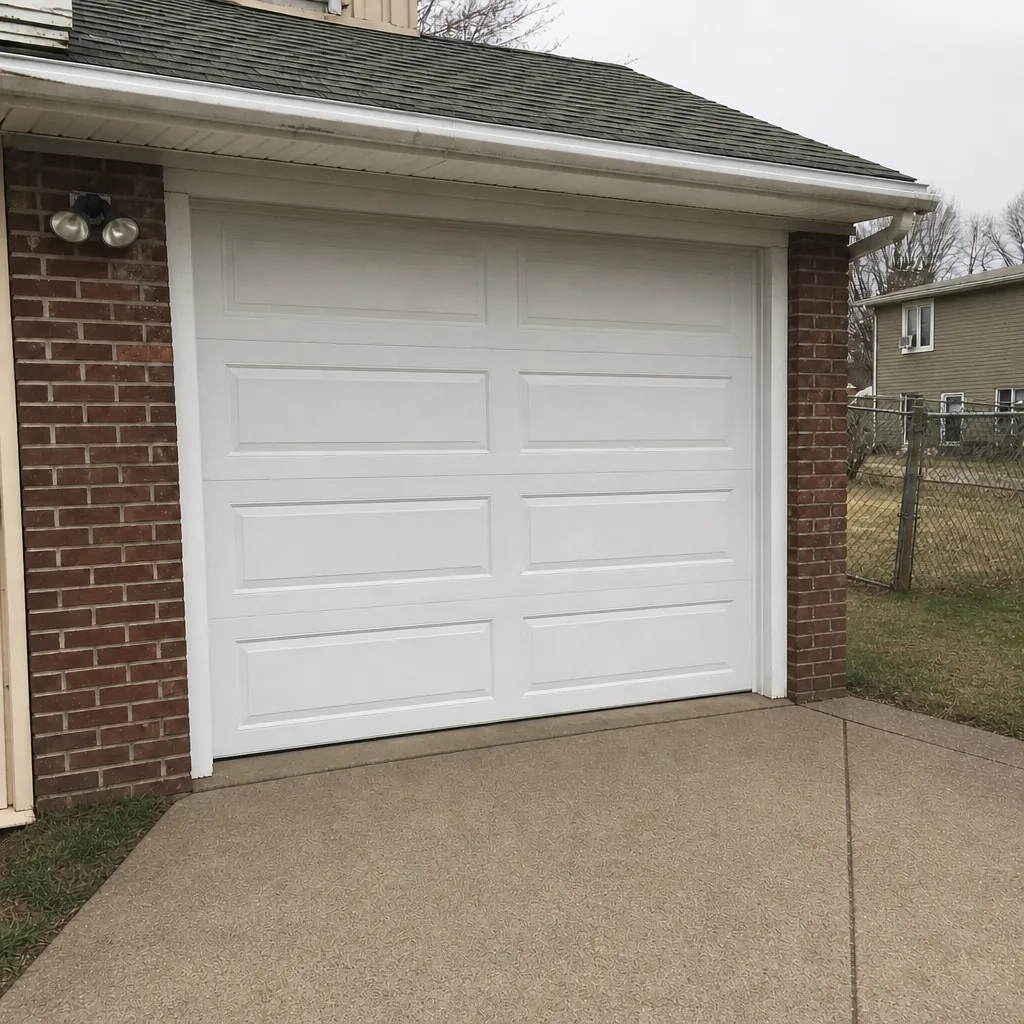 After
Common Mistakes to Avoid
- Buying on curb appeal alone. A beautiful panel is worth little if the brand’s springs can’t be stocked locally. Check parts availability before you fall in love with a style.
- Assuming all insulation is equal. Lab R-values don’t survive an imperfect seal or a window panel. Buy a solid mid-tier insulated door and put the savings into a tight fit.
- Choosing 27-gauge for a street-facing door. A door near a busy driveway dents easily at the lightest gauge. Match the gauge to how exposed your door really is.
- Ignoring the TorqueMaster question. Wayne Dalton’s proprietary spring system limits who can service it. Confirm your technician can handle it before you buy a Wayne Dalton door.
- Pairing a heavier new door with an old, undersized opener. The opener wears out faster and the door feels sluggish. Match the opener’s capacity to the door’s weight.
- Not asking about parts in advance. Ask whether the torsion spring for your door can be serviced with stock parts. It’s the question that saves you a five-day wait later.
- Skipping the written quote. The written quote sets the price. Get the measurement and the number in writing before work begins, every time.
When to Call a Professional
Some decisions about your garage door brand can be made at the kitchen table. Others need a trained eye. Call a professional when a torsion spring snaps (springs are under extreme tension and are dangerous to handle), when the door comes down unevenly or the opener strains, when you’re swapping a single-layer door for an insulated one and need the opener matched, or when the brand question is tied to a door already on your home. We offer free estimates in Mayfair, and our technicians have up to 12 years of experience on garage doors specifically. There’s no reason to guess at what a brand rebuild or replace will cost. If the door won’t open at all, that’s a call for emergency garage door service rather than a compare-shopping exercise. Call (833) 468-5701 and we’ll help you sort out the answer.
Frequently Asked Questions
The best brand is the one that fits your setup on three variables: insulation for an attached garage, steel gauge for street exposure, and local parts availability. In practice, Amarr is a steady mid-range pick with widely stocked hardware, Clopay is best if panel style is your priority, and Wayne Dalton and CHI offer heavier builds. Call (833) 468-5701 for an exact quote, since the written quote is the price and estimates are free.
We quote new garage door installation per job after a free measure, and the written estimate sets the final price. We don’t pad quotes with a premium for brand names, and we don’t quote until we’ve measured your opening. For an exact number on your Mayfair home, call (833) 468-5701.
Yes. Clopay is one of the eight brands we work on, alongside LiftMaster, Chamberlain, Genie, Amarr, Wayne Dalton, Craftsman, and Raynor. Which Clopay parts we can source depends on the dealer network, so have your model on hand when you call. Call (833) 468-5701 with your door details for a same-day assessment if you’re in a fix.
Yes, and it matters most on street-facing doors. Lower gauge numbers mean thicker steel, so 24-gauge resists dents far better than 27-gauge. If your Mayfair garage sits close to a street or alley, 24-gauge is the gauge to choose. Call (833) 468-5701 and we can look at your door’s exposure and recommend a gauge.
Not necessarily, but the two halves need to be compatible and the opener’s lifting capacity must match the door’s weight. Smart home integration is where matching helps most: LiftMaster’s myQ ecosystem and Chamberlain both connect well with home automation. If you’re unsure, call (833) 468-5701 and we’ll test the full system.
No. Torsion and extension springs are under extreme tension and a mishandled spring can cause serious injury. Spring replacement is a job for a trained technician with the right tools. If a spring has snapped in your Mayfair home, call (833) 468-5701 for professional help.
The Bottom Line
The right garage door brand for your Mayfair home isn’t the one with the best ad campaign. Score each brand on the three variables that matter: insulation suited to an attached garage, steel gauge matched to street exposure, and a technician who can service the springs with stock parts. Amarr offers widely stocked hardware and dependable mid-range value. Clopay leads on style but depends on its dealer for parts. Wayne Dalton gives you strong steel but brings the TorqueMaster question. Ask any installer whether they can service your door’s torsion spring in three years, get the quote in writing before work begins, and match your opener’s capacity to your door’s weight. Do those things and the door you choose will serve Mayfair winters without surprises. Call (833) 468-5701 to book a free estimate.
Written by the team at Garage Door Repair Mayfair.