Last updated November 21, 2026
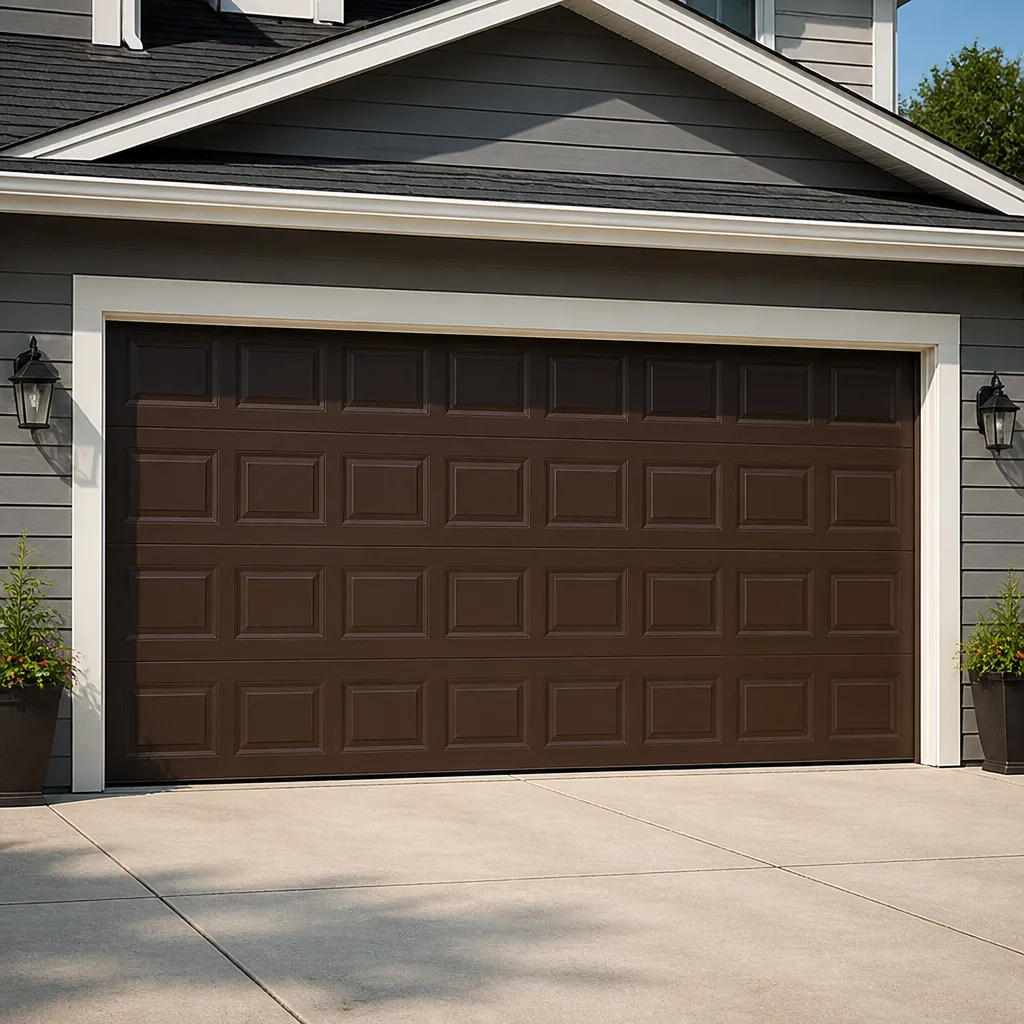 Raised-panel steel
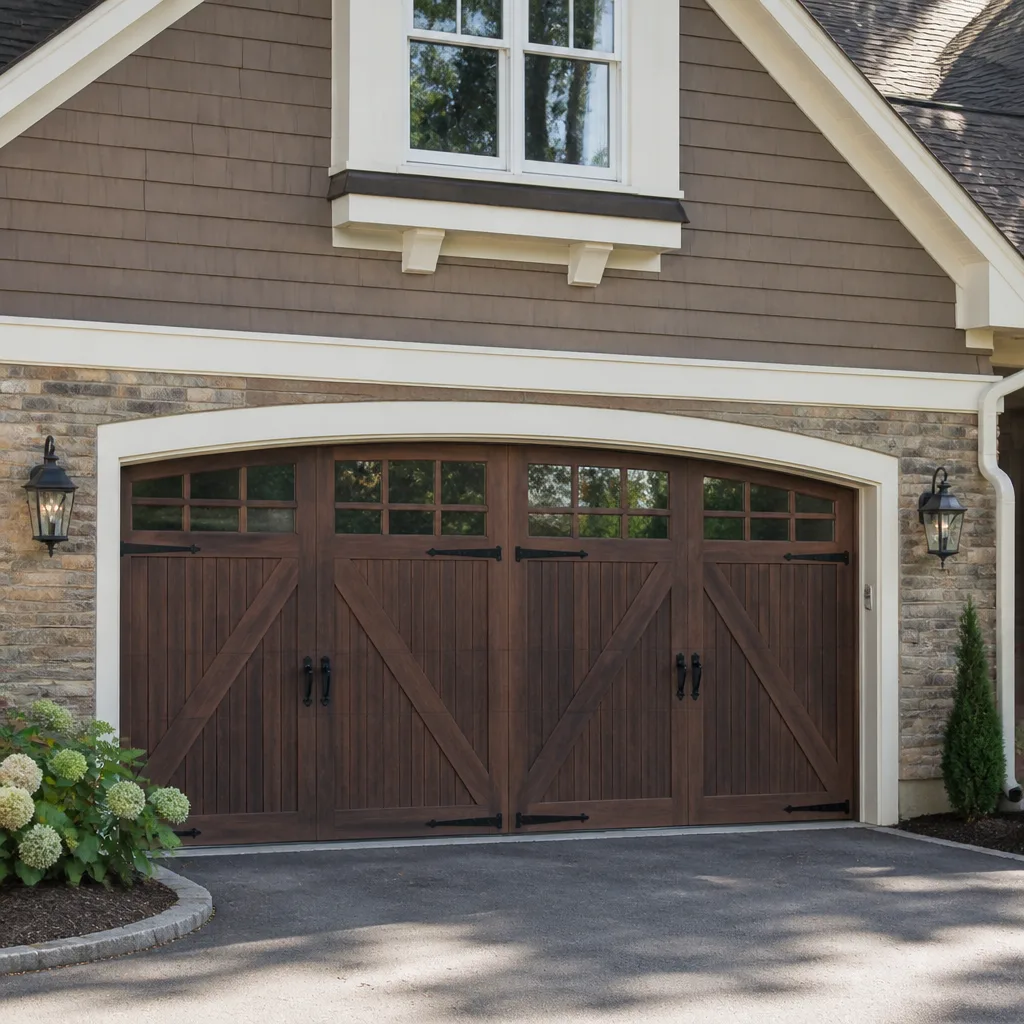 Carriage house
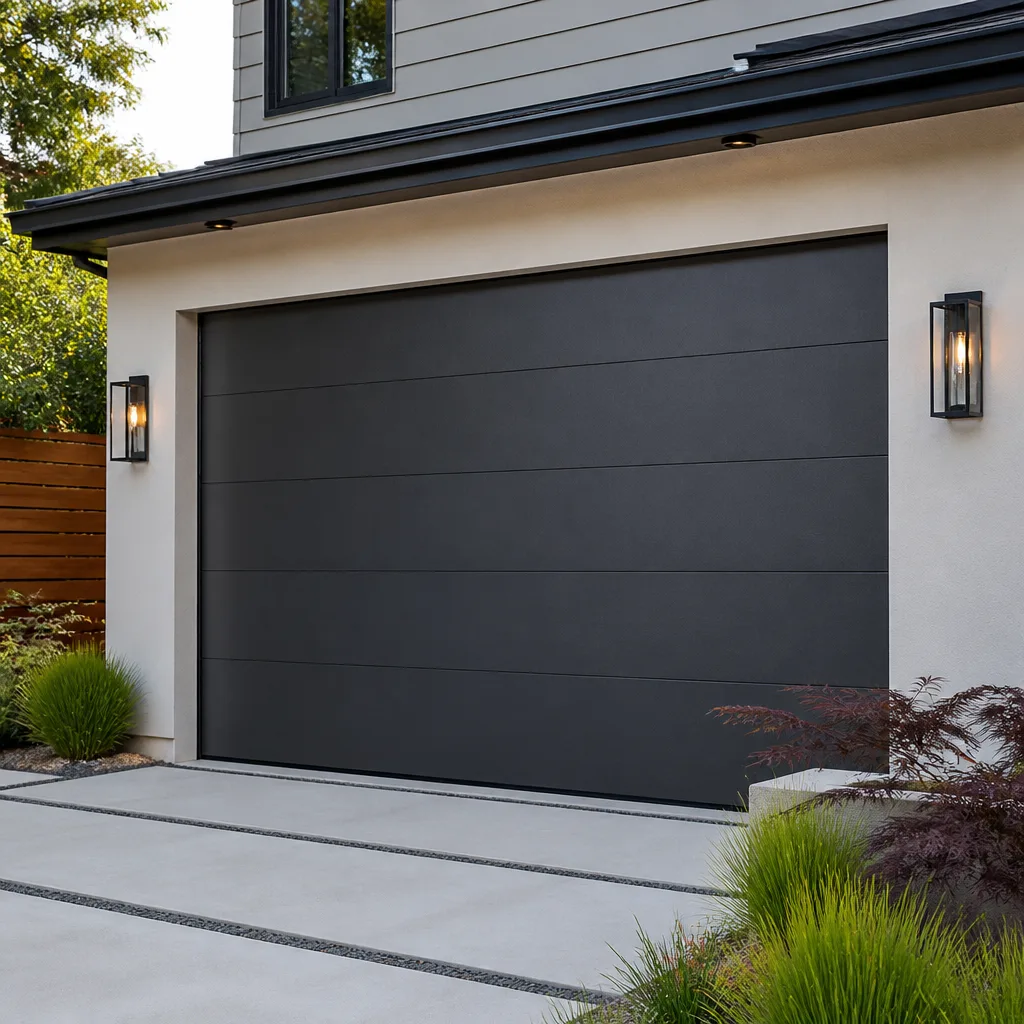 Modern flush
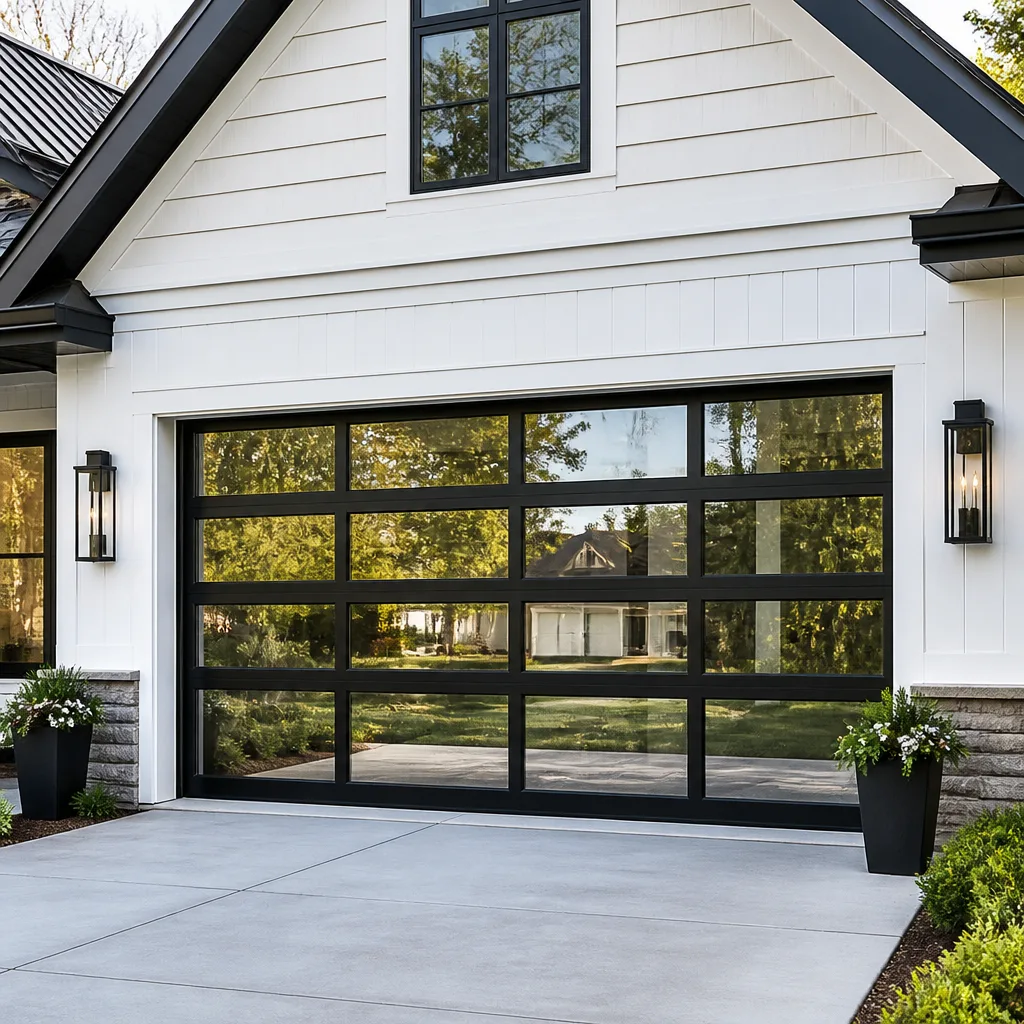 Full-view glass
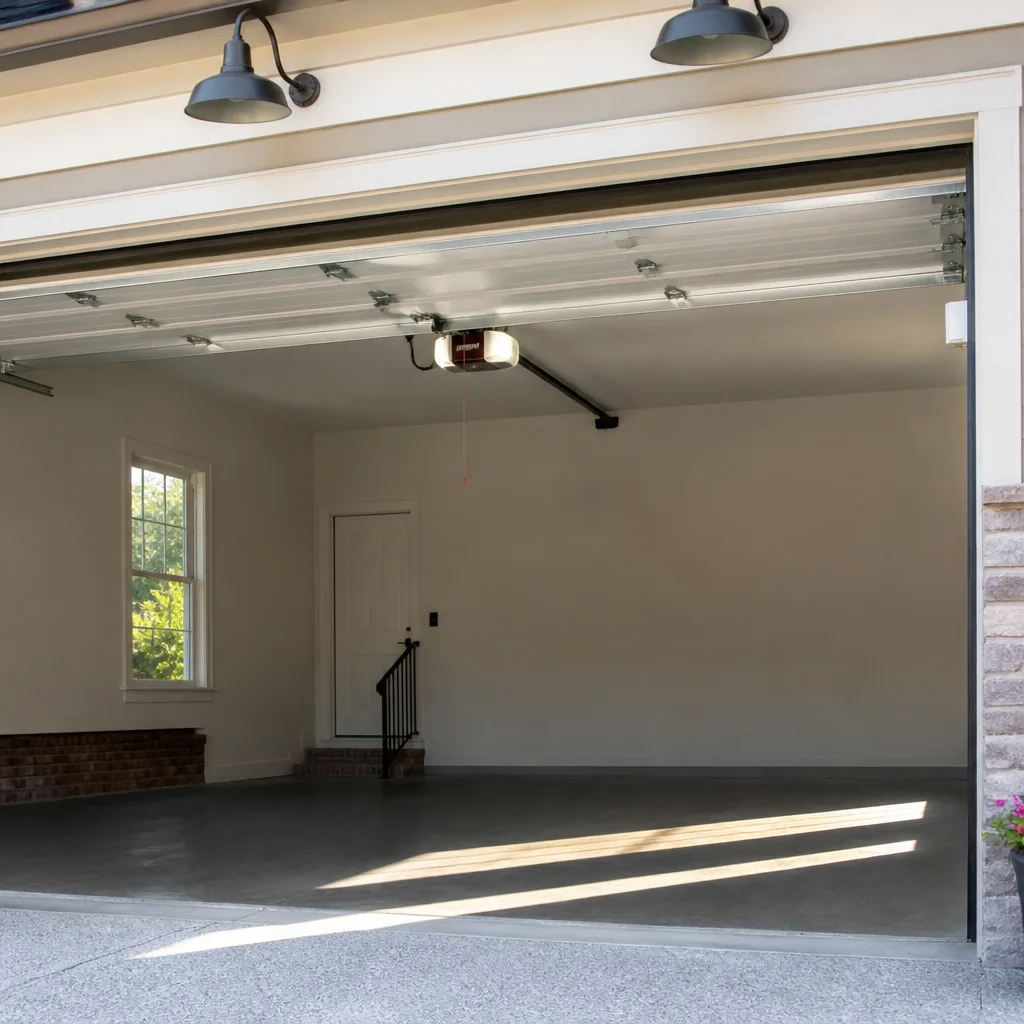 LiftMaster openers
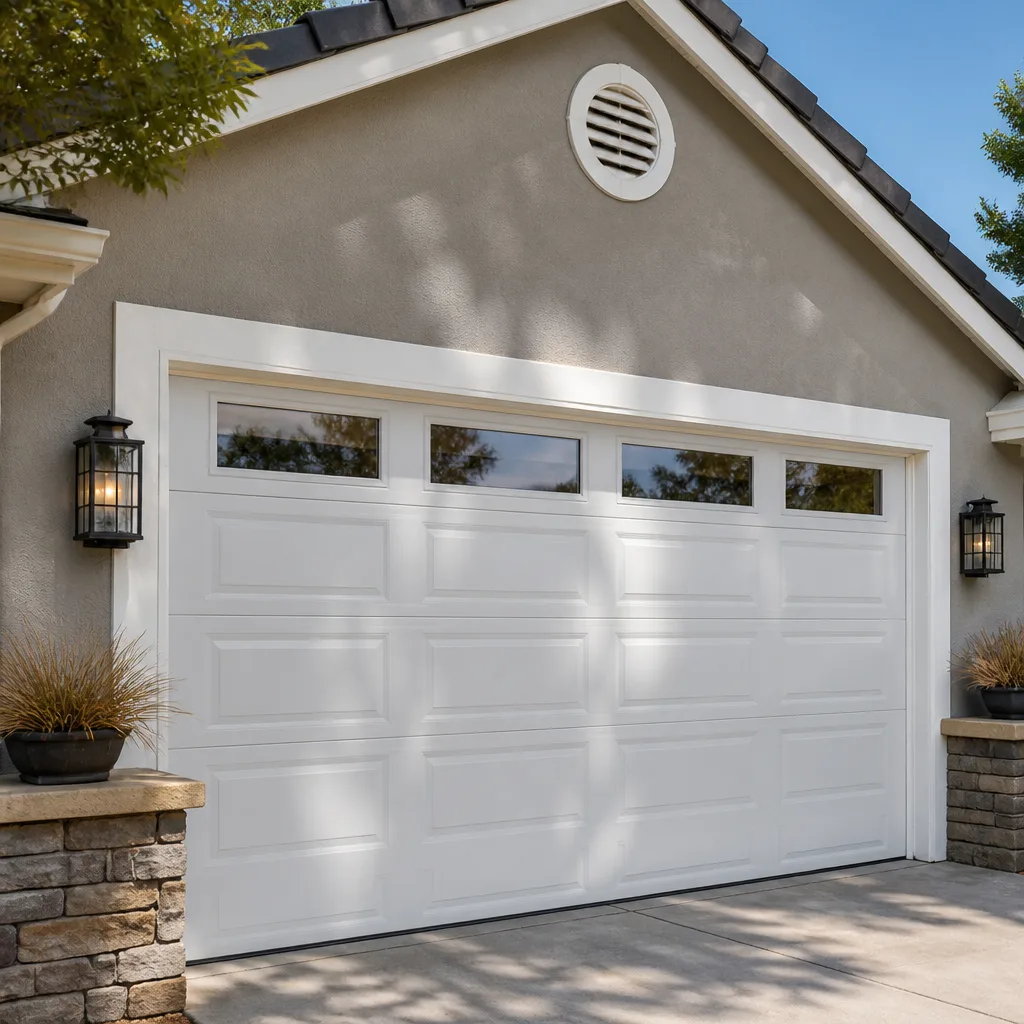 Chamberlain openers
Full 25-point door and opener safety check with every visit - springs, cables, rollers, tracks, and your LiftMaster or Chamberlain opener included
You get a price before we start. It does not change when the pro arrives.
Get your free estimateSeasonal Garage Door Care for Mayfair: Year-Round Homeowner’s Guide
February is when most garage door springs in Mayfair snap, and it’s rarely the cold alone that does it. The steel has been cycling through October, November, December and January, and every open-and-close adds a little micro-fatigue to a torsion spring that’s already under constant tension. The first hard freeze is simply the morning the accumulated wear wins. Understanding that chain of cause and effect changes how you care for a door here: each season in Mayfair sets up a specific failure mode, and the work you do in one season either defuses or arms the next. This guide maps each seasonal task to the actual mechanical reason behind it, so nothing is on your list just because a calendar says so.
Quick Answer
Garage door maintenance in Mayfair follows four seasonal windows, each aimed at a different mechanical stress: lubricate rollers and check the bottom seal in October before the ground freezes, adjust opener force and watch for cold-weather strain from December through February, inspect for freeze-thaw damage to welds and track bolts in March and April, and address heat-expansion binding at the top corners in summer. Running through all four takes a few hours a year. The single highest-value task, in any season, is testing the auto-reverse monthly, which costs nothing and protects the people and pets who use the door.
Styles & brands we work with
- Raised-panel steel
- Carriage house
- Modern flush
- Full-view glass
- LiftMaster openers
- Chamberlain openers
Table of Contents
- Why Seasonal Care Matters in Mayfair’s Climate
- Fall (October): The Highest-ROI Maintenance Window
- Winter (December-February): Cold, Torque and Opener Force
- Spring (March-April): Freeze-Thaw Damage Inspection
- Summer (June-August): Heat Expansion and Top-Corner Binding
- The One Task That Beats All Seasonal Tasks: Auto-Reverse Testing
- A Simple Four-Season Maintenance Schedule
- Common Mistakes to Avoid
Why Seasonal Care Matters in Mayfair’s Climate
Mayfair doesn’t get one garage door climate. It gets four, and they pull the door’s components in different directions. A steel door and its hardware expand in summer heat and contract in winter cold. The ground beneath the tracks freezes, heaves and thaws. Humidity shifts from the muggy stretches of summer to the dry, cold air of January. Each of those shifts puts stress on a different part, from the torsion spring to the tracks to the bottom seal that rests against the concrete.
That’s why a single “spring tune-up” doesn’t cover the year. A door that ran smoothly in June can bind in December, not because anything failed but because the parts have changed dimension and position with the temperature. The seasonal approach here is to check the parts that are under the most stress in that season, before the stress turns into a repair.
In our experience, homeowners who follow even a loose seasonal routine spend less on garage door repair over time, because they catch small issues while they’re still small. A loose track bolt tightened in April is a hinge or panel problem that never happens. A lubricated roller in October is a noisy opener that stays quiet through February. The mechanical cause behind each task is the point; the calendar is a memory aid.
Fall (October): The Highest-ROI Maintenance Window
October is the window that pays for itself. You’re doing two things that are hard to do well once the cold sets in: lubricating the moving parts while they still move freely, and inspecting the bottom seal while you can still lift the door off the concrete to check it.
Lubricate the rollers and hinges before temperatures drop
Rollers and hinges run on grease and light oil, and both thicken as the temperature falls. A roller that glides in September can drag in January, which puts extra load on the opener and the spring. Lubricating in October, while the grease still flows into the bearing, coats the moving surfaces before the viscosity drop. Use a garage-door-rated lubricant, not general-purpose grease, and hit the roller bearings, the hinge pivots and the torsion spring coils. Wipe off excess so it doesn’t collect grit.
Check the bottom seal before the ground freezes
The bottom seal is the rubber strip along the lowest panel, and it’s what keeps out cold air, water and pests. In Mayfair, once the ground freezes hard, the seal can stick to the concrete and tear the first time the door lifts. Check it in October for cracks, flattening or gaps at the corners, and replace it before the freeze locks it down. A seal that’s still pliable and seated evenly will release cleanly all winter.
October fall checklist
- Lubricate roller bearings, hinge pivots and spring coils with a garage-door lubricant.
- Lift the door and inspect the bottom seal for cracks, tears or a poor seal against the floor.
- Test the balance: disconnect the opener and lift the door halfway. It should stay put, not sag or rise.
- Check that the tracks are clear of leaves and debris before the fall winds fill the corners.
- Run the auto-reverse test (covered below) while the door is still warm and moving freely.
If the balance test shows a door that sags or drops, the springs are already weakening. Handle that in October rather than waiting for a cold-morning failure. That’s a job for a specialist, not a weekend project, and it’s one of the reasons spring work sits at the center of what we do.
Winter (December-February): Cold, Torque and Opener Force
Cold weather changes how your opener works, and most homeowners respond by turning up a knob that doesn’t do what they think it does. When the temperature drops, grease thickens, metal contracts and the door itself gets heavier to move. A LiftMaster or Chamberlain opener senses that extra resistance and works harder. If the resistance crosses the opener’s limit, the door stops or reverses, and the homeowner reaches for the sensitivity adjustment.
Force adjustment versus the sensitivity knob
Most openers have two separate settings, and they’re easy to confuse. The force setting controls how much push the motor applies before it gives up. The sensitivity, or travel-limit, setting controls when the opener decides it has hit an obstruction and reverses. Cranking up sensitivity does nothing for a door that’s just stiff from cold, and it can defeat the safety reverse. What actually needs adjusting, if anything, is the force setting, and only to the manufacturer’s spec.
Before you touch either setting, rule out the real cause: a door that’s binding from cold-thickened grease or a track that’s out of alignment. Lubricating in fall prevents most of the winter force problem in the first place. If you’re unsure which setting is which, leave it and have a technician check it. As a security and access matter, a door that won’t open in the cold is exactly the kind of problem our garage door opener repair handles, and it’s worth a call rather than trial and error.
What to check in winter
- Listen for a door that strains or grinds on cold mornings; that’s resistance, not normal.
- Look at the opener’s LED or error code, if it has one, before adjusting anything.
- Clear snow and ice from the bottom seal so it doesn’t tear on lift.
- Keep the tracks clear of ice and packed snow at the floor.
- Don’t force a frozen door; if it won’t move, the cause needs diagnosing, not more push.
Wayne Dalton and Craftsman openers have their own force and limit procedures, and the right adjustment depends on the model. Getting it wrong is how doors get damaged, which is why we work on your brand and check the setting against the spec.
Spring (March-April): Freeze-Thaw Damage Inspection
March and April are inspection season. The freeze-thaw cycle that runs through a Mayfair winter moves the ground under the tracks and works the door’s joints. The damage shows up in two places: the bottom section welds and the track mounting bolts.
Check the bottom section for stress cracking
The bottom section takes the most abuse. It’s closest to the ground, it holds the bottom seal, and it absorbs the flex of the freeze-thaw cycle. Look along the welds at the corners and the seams for hairline cracks, rust streaks or separation. Stress cracking starts small and grows; caught in spring, it’s a repair. Left through another winter, it can mean replacing the section.
Check the track mounting bolts for frost heave
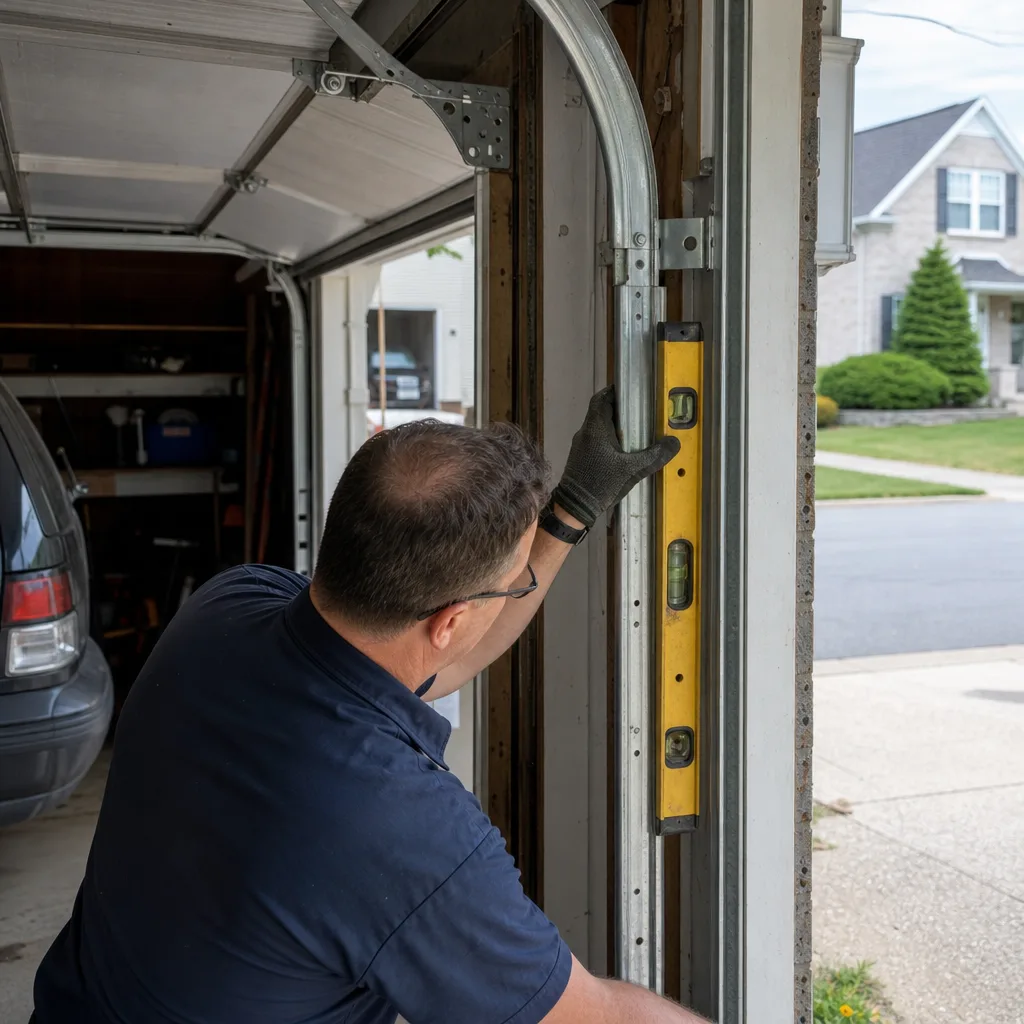
Frost heave is the ground expanding as it freezes and settling as it thaws, and it can loosen the bolts that hold the vertical tracks to the wall. Walk the tracks and check each mounting bolt for tightness. A track that’s out of plumb will make the door bind, and a binding door strains the opener and the spring. If a bolt has pulled loose or the track is visibly off vertical, it needs re-anchoring, which is a job for a technician with the right fasteners for the wall.
Spring inspection checklist
- Inspect bottom-section welds and seams for hairline cracks or rust streaks.
- Check every track mounting bolt for tightness and the tracks for plumb.
- Look at the torsion spring for a visible gap or a stretched coil.
- Test the door balance again after the winter.
- Re-lubricate anything that dried out over the cold months.
If you find a broken spring, stop using the door. Torsion springs are under extreme tension, and a broken one can leave the door unsafe to operate. That’s not a DIY repair; the tension in those springs can cause serious injury. Call a trained professional, and we’ll take it from there.
Summer (June-August): Heat Expansion and Top-Corner Binding
Summer heat makes steel doors expand, and the place that shows up is the top corners. As the door grows slightly with the heat, the top panels can bind against the frame or the hinges can bind against each other. The door starts to rub, the opener works harder, and the homeowner isn’t sure whether it’s the hinges or a warped panel.
Hinge issue or panel warp?
Here’s how to tell them apart. Open the door and watch the top corners as the panels fold. If the binding is at a hinge, the hinge will look out of line, the pivot will be dry or the roller will be dragging; lubricating the hinge and checking the roller usually eases it. If the panel itself is warped, the panel will show a curve or twist along its length, and no amount of lubrication fixes a bent panel. A true warp on a Clopay or Amarr steel door typically means a panel replacement, not an adjustment.
Heat binding is also a good time to check that the door has room to expand. Clear any debris or obstruction from the top corners and make sure the frame isn’t pinching. If the binding returns every summer, the door may need a hinge or roller adjustment that accounts for the expansion, which is a job for someone who knows the door’s brand and its tolerances.
Summer checklist
- Watch the top corners as the door opens and note where it binds.
- Lubricate hinges and check rollers for drag at the top panels.
- Look along each panel for a curve or twist that suggests a warp.
- Clear debris and obstruction from the top corners and frame.
- Re-test the auto-reverse after any adjustment.
The One Task That Beats All Seasonal Tasks: Auto-Reverse Testing
If you do one thing on this list, do this one, every month. The auto-reverse is the safety feature that makes the door go back up when it meets an obstruction, and it’s the leading cause of garage door injury when it fails. Testing it takes a minute and costs nothing. Place a solid object, like a roll of paper towels or a 2×4 laid flat, in the door’s path and close the door. It should reverse on contact. If it doesn’t, stop using the door and get it checked.
Test the photo-eye sensors the same way. With the door open, wave an object across the beam at the base of the tracks. The door should refuse to close. If it closes anyway, the sensors are misaligned or dirty, and that needs fixing before the door is used again. These two tests, run monthly in any season, prevent the failure that matters most. No seasonal task comes close.
A Simple Four-Season Maintenance Schedule
Here’s the whole year in one place. Post it inside the garage and you’ll never wonder what to do when.
- October: Lubricate rollers, hinges and spring coils. Inspect and replace the bottom seal before the ground freezes. Run the balance test.
- December-February: Watch for cold-weather strain. Check the opener’s force setting against spec, not the sensitivity knob. Keep the tracks and seal clear of ice and snow.
- March-April: Inspect bottom-section welds for stress cracks and track mounting bolts for frost-heave loosening. Re-test balance and re-lubricate.
- June-August: Watch for heat-expansion binding at the top corners. Tell a hinge issue from a panel warp. Keep the top corners clear.
- Every month, all year: Test the auto-reverse and the photo-eye sensors.
That’s the whole routine. None of it requires special tools except the lubricant and a wrench for the track bolts, and none of it touches the high-tension spring work, which is where the danger lives. If a step turns up something you can’t safely handle, that’s what we’re here for.
Common Mistakes to Avoid
- Cranking up the sensitivity knob to fix a cold door. That setting controls obstruction detection, not force, and raising it can defeat the safety reverse. Adjust force only to spec, after ruling out a binding cause.
- Skipping the October lubrication because the door “seems fine.” The whole point of fall lubrication is that the door seems fine; you’re coating the parts before the cold thickens the grease and the drag begins.
- Waiting for spring to check the bottom seal. In Mayfair, the ground freeze glues the seal to the concrete, and a seal checked after that can tear on the first lift. Check it in fall.
- Assuming a top-corner bind is always a hinge. In summer heat, a true panel warp looks like a hinge issue from a distance. Lubrication won’t fix a warped panel, and you’ll keep chasing it.
- Living with a door that sags in the balance test. A door that won’t hold halfway is telling you the springs are weakening. Fix it in the season you find it, not after a cold-morning failure.
- Touching the torsion spring yourself. The springs are under extreme tension. This is the one repair on any seasonal list that belongs to a trained professional, every time.
- Skipping the monthly auto-reverse test because the door works. The auto-reverse is the safety feature that prevents the leading cause of garage door injury, and it fails silently. Test it monthly, in every season.
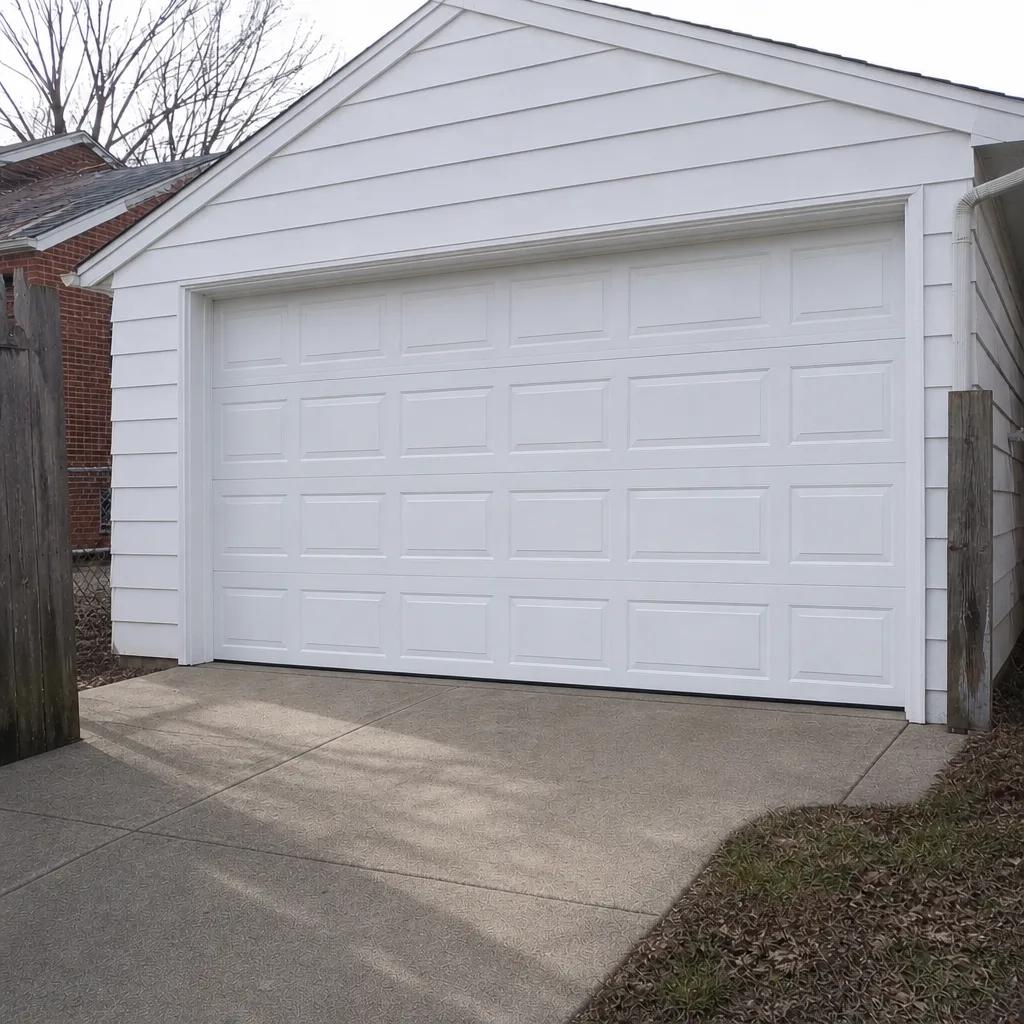
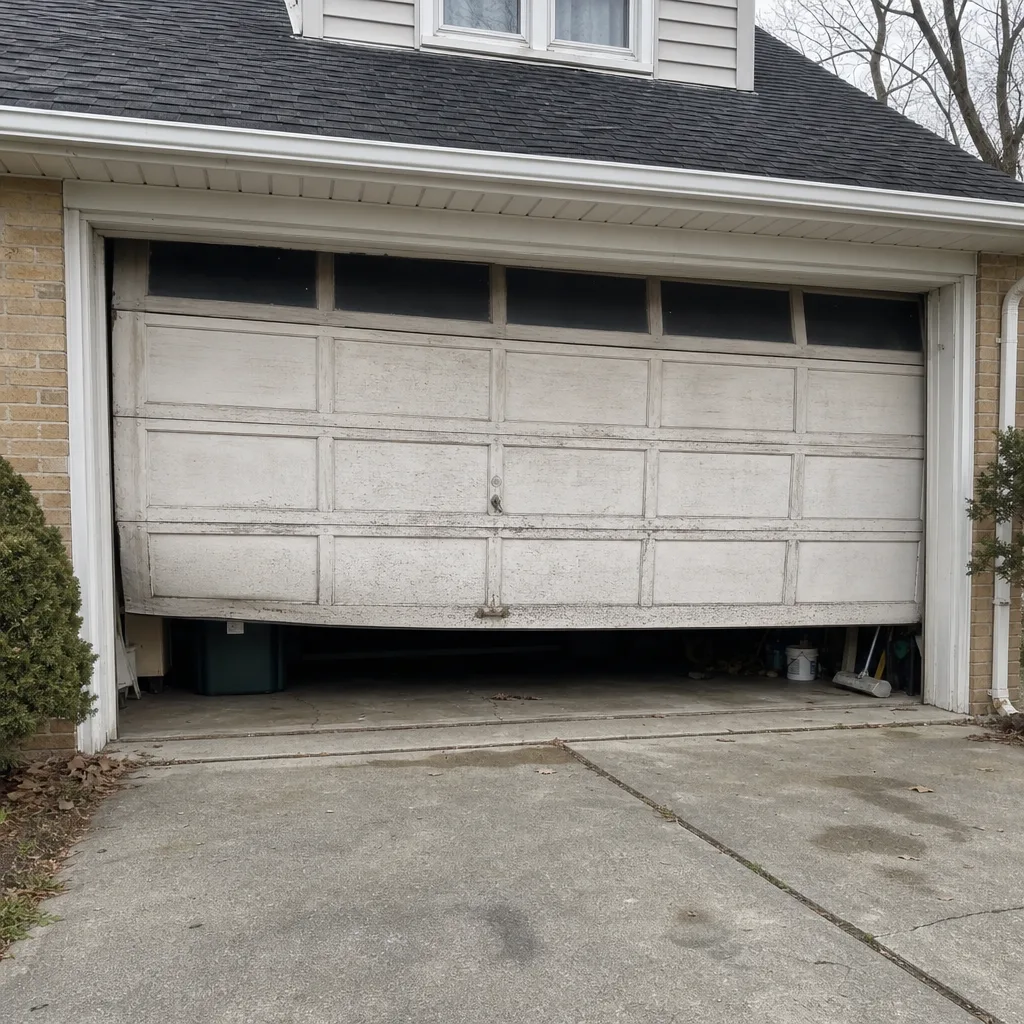
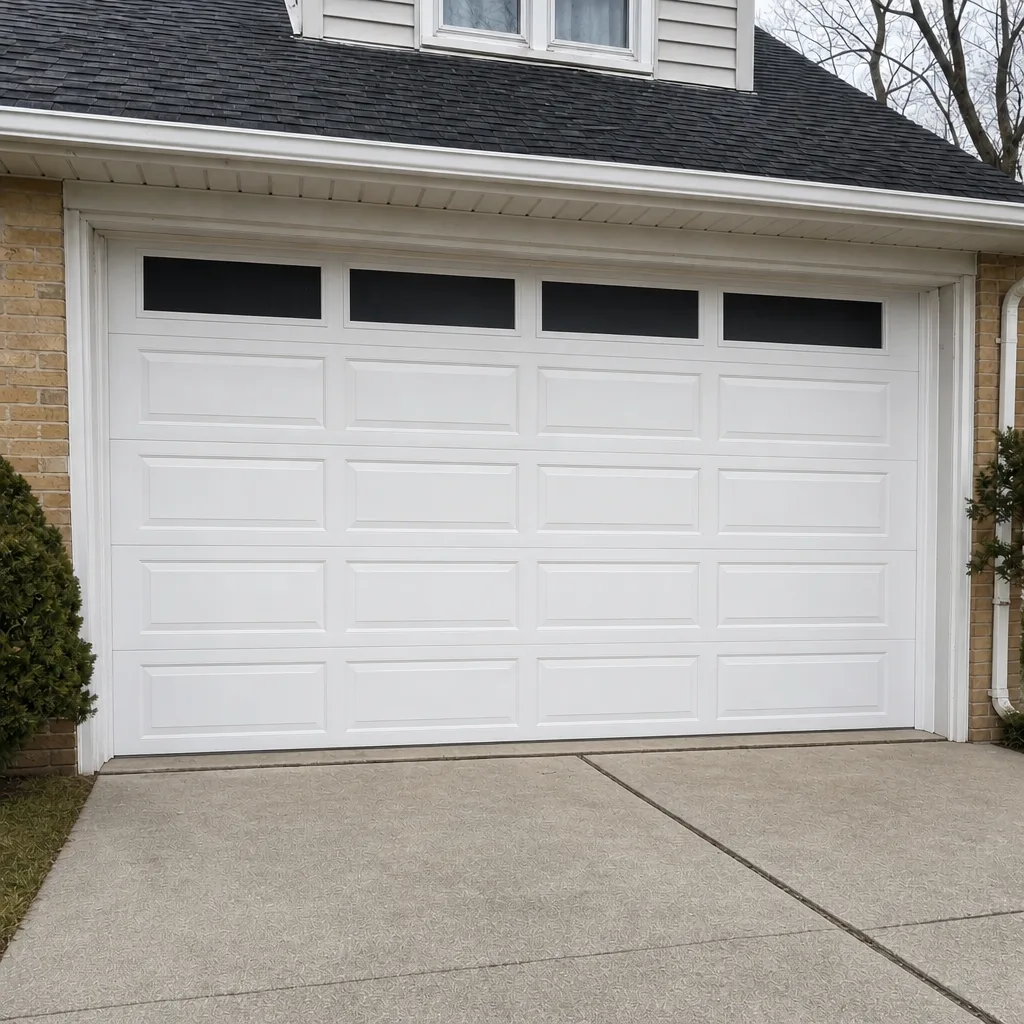
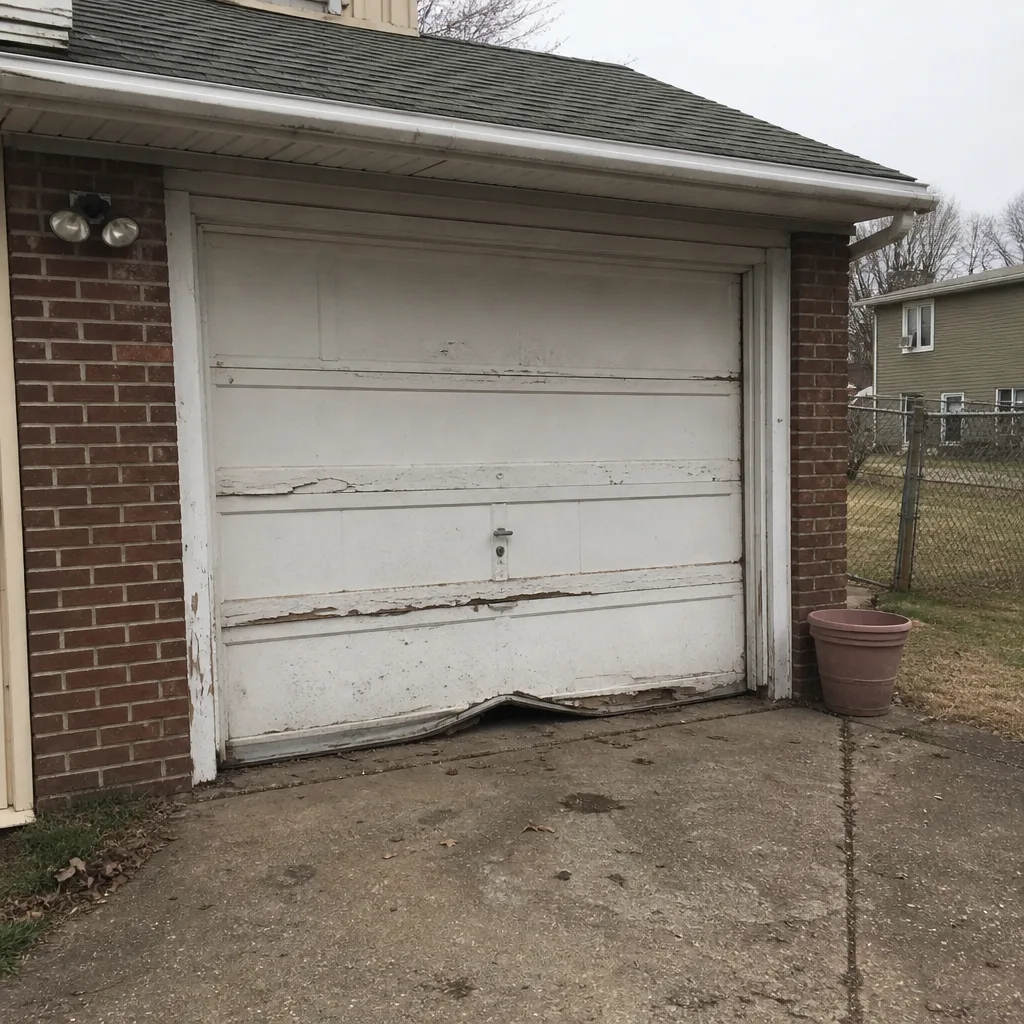
See the difference
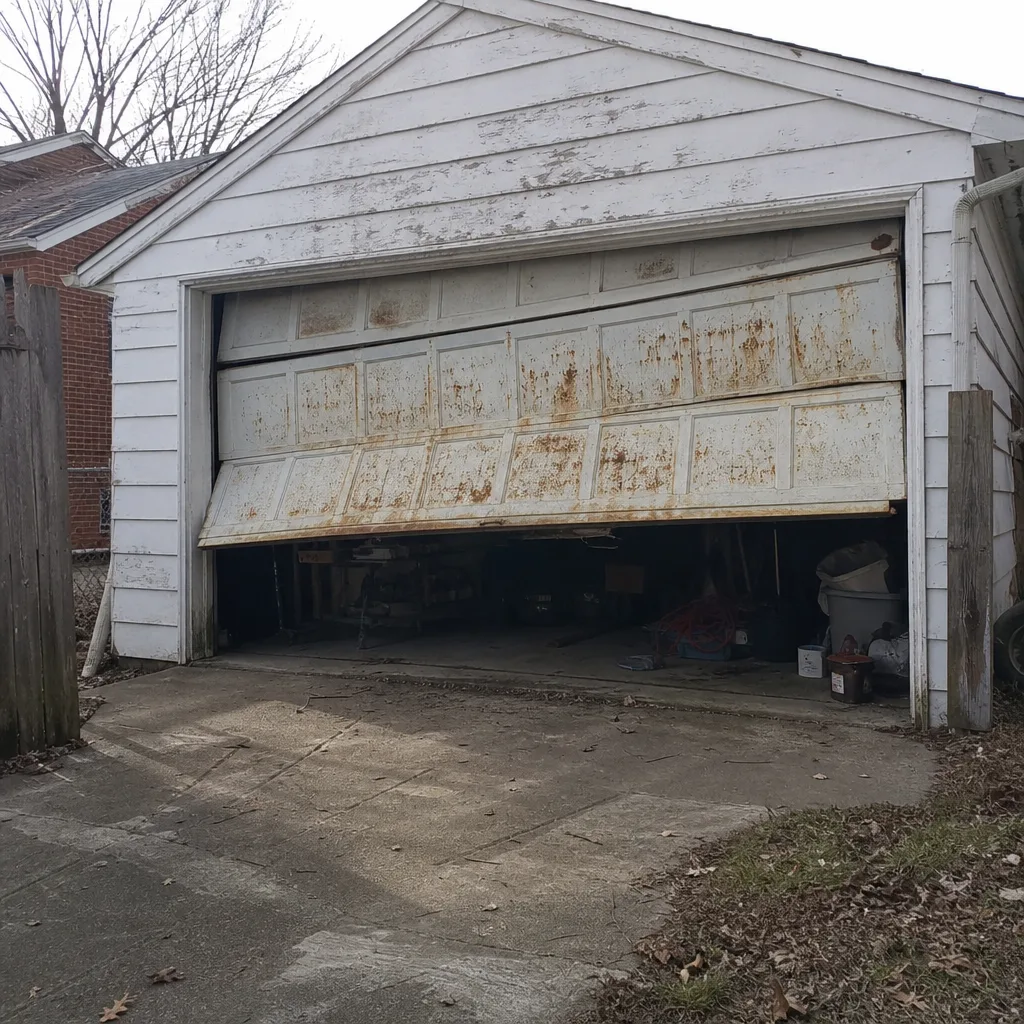 Before
 After
 Before
 After
 Before
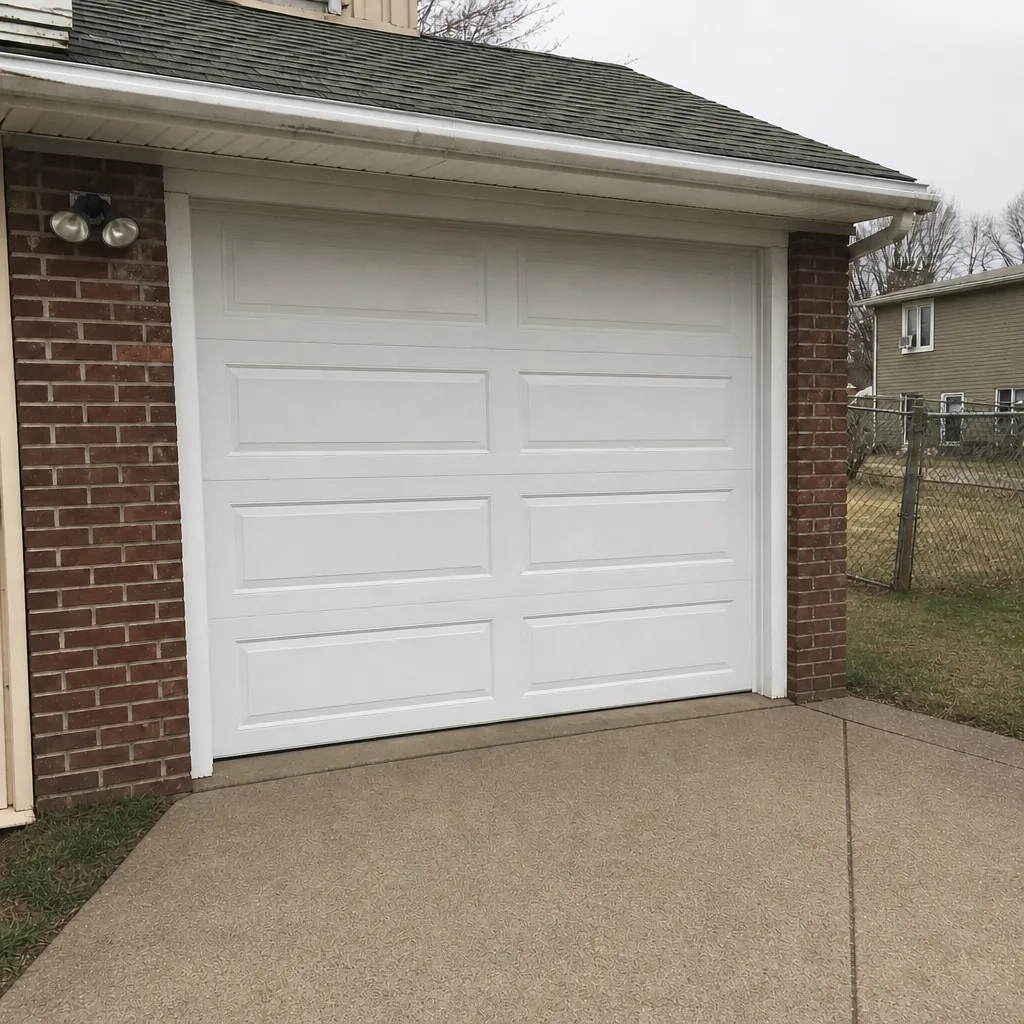 After
When to Call a Professional
Some seasonal tasks are homeowner work; some are not. Call a professional when the door won’t balance (sags or rises in the halfway test), when you find a broken or visibly stressed spring, when a track is off plumb or a mounting bolt has pulled loose, or when the auto-reverse fails its test. Call when the opener reverses on its own or won’t move the door in the cold, even after lubrication. And call if a panel is warped or a weld on the bottom section has cracked. Those are the points where a repair done wrong becomes a safety issue or a bigger bill. Garage Door Repair Mayfair offers free estimates in Mayfair; call (833) 468-5701 and we’ll tell you what the door needs and what it can wait on.
Frequently Asked Questions
October is the highest-value maintenance window in Mayfair, because lubricating the moving parts before the cold thickens the grease and checking the bottom seal before the ground freezes prevents most winter problems. A second inspection in March or April catches freeze-thaw damage before it grows. The monthly auto-reverse test runs all year and matters more than either.
Cold mornings get the blame, but the real cause is cumulative. A torsion spring cycles through hundreds of open-and-close movements from October through January, and each one adds micro-fatigue to the steel. The first hard freeze is when the accumulated wear finally splits the spring. Lubrication and an October balance check help you catch a weakening spring before it breaks. If it does break, call (833) 468-5701; a broken spring means the door shouldn’t be used until it’s repaired.
You can, but only to the manufacturer’s spec, and only after ruling out a binding cause like cold-thickened grease or an out-of-line track. The force setting is not the sensitivity knob; cranking up sensitivity to fix a stiff door can defeat the safety reverse. If you’re not sure which is which on your LiftMaster, Chamberlain or Craftsman unit, have a technician check it. Most winter force problems are really lubrication problems in disguise.
Look in two places in early spring: along the bottom-section welds and seams for hairline cracks or rust streaks, and at each track mounting bolt for looseness. Freeze-thaw heaves the ground, which loosens the bolts that hold the tracks to the wall, and it flexes the bottom section, which stresses the welds. Catch both in March or April and they’re simple repairs. Leave them and they work through another winter. Call (833) 468-5701 if you find a cracked weld or a loose track.
Watch the top corners as the door folds. If a hinge is out of line or a roller is dragging, lubrication and a hinge adjustment usually fix it. If the panel itself shows a curve or twist along its length, that’s a warp, and no amount of lubrication will help; on a Clopay or Amarr steel door it usually means a panel replacement. A technician can tell the difference quickly and quote the fix. Free estimates are available in Mayfair.
Test the auto-reverse once a month, every month, in every season. Place a solid object in the door’s path and close the door; it should reverse on contact. Wave an object across the photo-eye beam and the door should refuse to close. If either test fails, stop using the door and get it serviced, because the auto-reverse is the leading protection against garage door injury. Call (833) 468-5701 for same-day repair when a safety feature fails.
The Bottom Line
Mayfair’s four seasons stress a garage door in four different ways, and the care that matters is the care aimed at the right part in the right season. Lubricate early in October, watch opener force rather than sensitivity through the cold, inspect welds and track bolts after the thaw, and tell a summer hinge bind from a true panel warp. Then run the monthly auto-reverse test, which prevents more harm than every other task combined. Every seasonal task on this list is homeowner work except the high-tension spring, which belongs to a trained professional. Do the routine, watch for the warning signs, and call when something needs a specialist. We work on your brand, and one call covers the whole system. Ready to get started or get a free estimate? Call Garage Door Repair Mayfair at (833) 468-5701, and for a full replacement or upgrade, ask about garage door installation.
For the parent service overview, see Garage Door Repair Mayfair. If you’re comparing a repair against a new door this season, our team can walk you through both.
Written by the team at Garage Door Repair Mayfair.