Last updated November 21, 2026
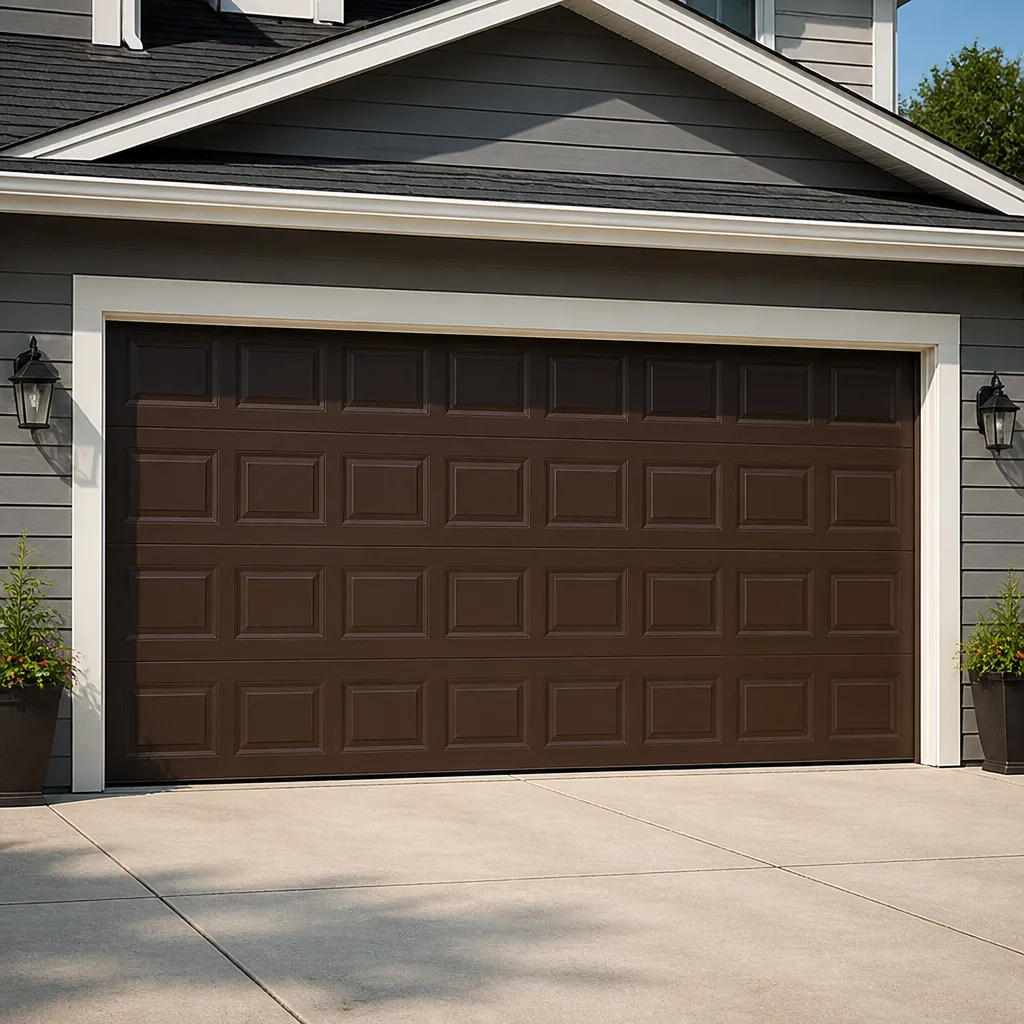 Raised-panel steel
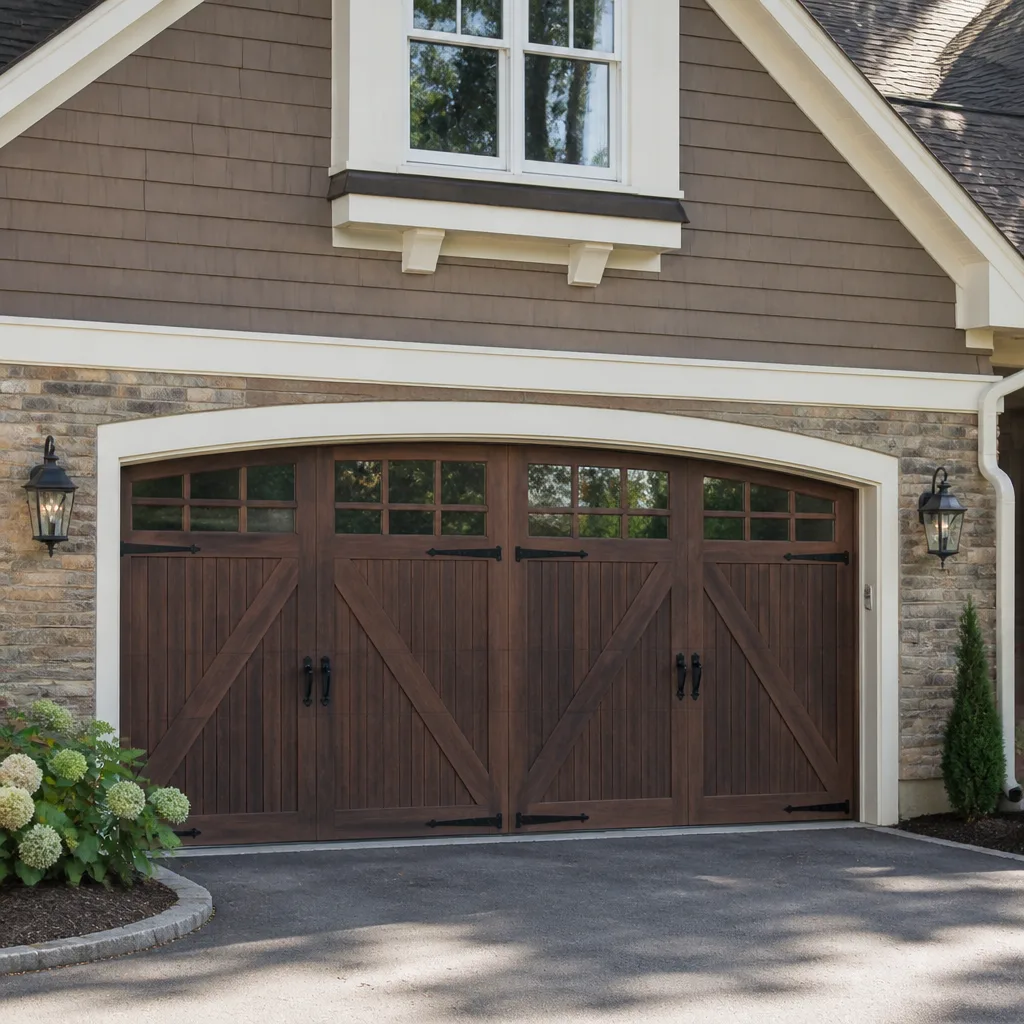 Carriage house
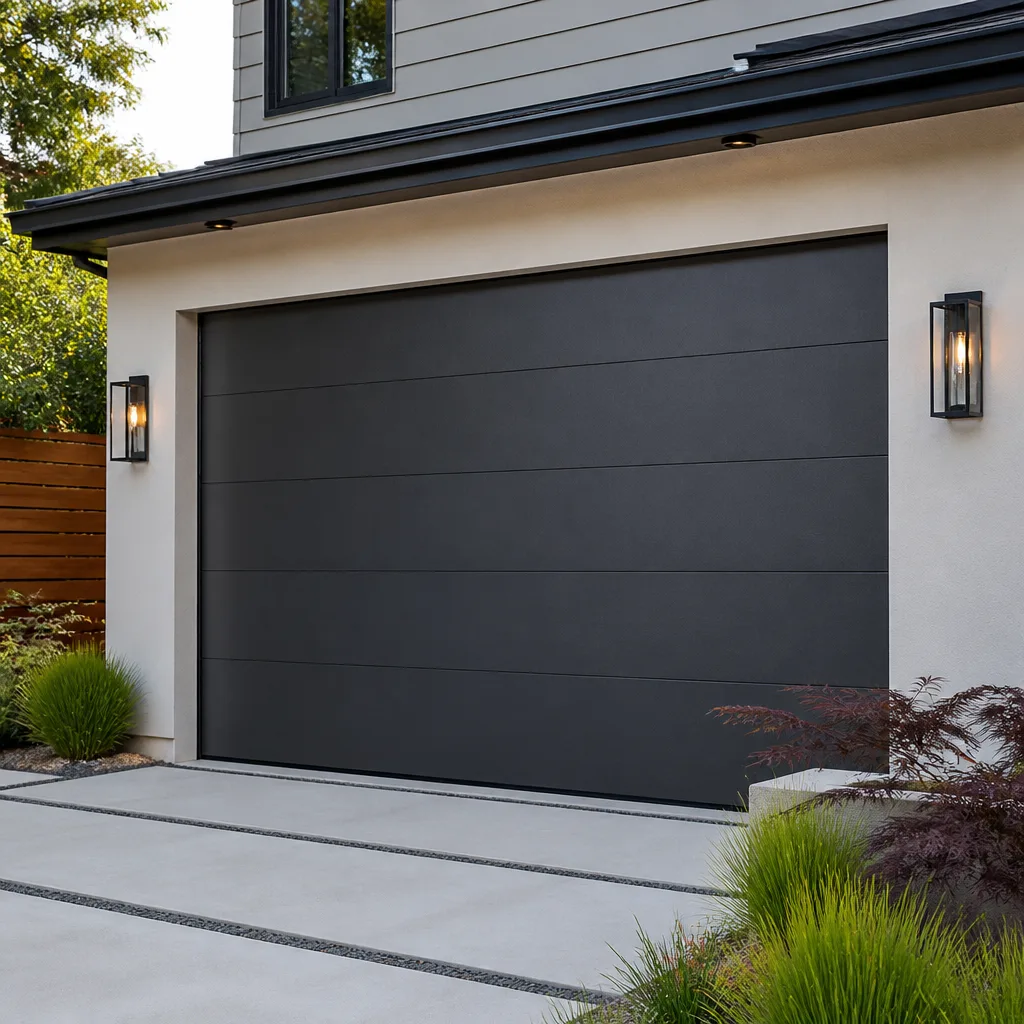 Modern flush
 Full-view glass
 LiftMaster openers
 Chamberlain openers
Full 25-point door and opener safety check with every visit - springs, cables, rollers, tracks, and your LiftMaster or Chamberlain opener included
You get a price before we start. It does not change when the pro arrives.
Get your free estimateHow to Hire a Garage Door Contractor in Mayfair: A Step-by-Step Guide
Any contractor can pass a background check. The question that actually separates a garage door specialist from someone who “also does doors” is this: do you carry torsion springs in multiple wire sizes on the truck? A generalist won’t understand why that matters. A specialist will tell you the wire gauge and length before you finish the sentence, because the wrong spring on the wrong door is a safety problem, not just a fit problem. Hiring well in Mayfair comes down to vetting operational competence, not just paperwork. This guide walks you through the registration check, the five diagnostic questions, the red flags, and how to read an estimate line by line.
Quick Answer
To hire a garage door contractor in Mayfair, verify their Pennsylvania home improvement contractor registration through the PA Attorney General’s database, then ask five diagnostic questions before you book: what spring type is on your door, whether they carry your opener brand’s parts, their same-day availability window, how the written quote is formatted, and what the labor and parts warranties cover separately. Choose a single-trade specialist over a general handyman, and never accept a phone quote given without door dimensions or a spring cycle-count inspection.
Styles & brands we work with
- Raised-panel steel
- Carriage house
- Modern flush
- Full-view glass
- LiftMaster openers
- Chamberlain openers
Table of Contents
- Why the Pennsylvania Registration Check Takes 60 Seconds
- The Five Diagnostic Questions to Ask Before Booking
- Why Parts-on-Hand Changes Your Repair Timeline
- Red Flags Specific to Garage Door Work
- How to Read a Garage Door Estimate Line by Line
- Franchise, Local Specialist, or General Handyman?
- Spring Work Is Its Own Discipline
- Common Mistakes to Avoid
Why the Pennsylvania Registration Check Takes 60 Seconds
Pennsylvania requires home improvement contractors to register with the state, and you can confirm any contractor’s status through the PA Attorney General’s online database in under a minute. This is the first filter, not the last one. A registration number proves the business filed the required paperwork. It does not prove they know how to size a torsion spring, which is why we teach it as step one rather than the whole vetting process.
Here’s how to run the check:
- Ask the contractor for their registration number before you book anything. A registered business will have it ready.
- Open the PA Attorney General’s home improvement contractor search.
- Enter the business name or the registration number. Search both ways; a legal business name may differ from the name on the truck.
- Confirm the status is current, not expired or suspended.
- Screenshot the result and keep it with your written estimate.
A contractor who can’t produce a number, or whose number comes back expired, is a hard stop. In Mayfair, where plenty of homes have older doors and openers that have never been serviced, the temptation to hire whoever answers the phone first is real. The database check costs you a minute. Skipping it can cost you far more.
Registration covers the business side. It doesn’t tell you whether the technician who arrives has actually worked on your model. That’s what the next section is for.
The Five Diagnostic Questions to Ask Before Booking
These are the questions that expose whether you’re calling a garage door specialist or a company that swings by the parts counter on the way to your house. Ask them on the phone, before anyone drives out. The answers tell you more than any review page.
1. What spring type is on my door, torsion or extension? A specialist asks you to describe the door, the drum position, or the shaft above the door. They may ask you to text a photo of the spring area with the door closed. A generalist often defaults to “we’ll see when we get there,” which is fine, but they should still know the difference conceptually.
2. Do you carry parts for my opener brand? Tell them the brand. If you have a LiftMaster, a Chamberlain, a Genie, or a Craftsman, a specialist will know which logic boards, trolley carriages, and safety sensors they can source and roughly how quickly. “We order it” is a different answer than “we stock it,” and the difference is often several days without a working door.
3. What’s your same-day availability window? For a door that won’t close, this matters most. A company with genuine emergency garage door service will give you a realistic window, not a vague “sometime today.”
4. How will the written quote be formatted? You want a document that breaks out parts from labor, names the part brands and model numbers where they apply, and lists the warranty separately for each. If the answer is “we’ll write it up after,” push back.
5. What does the warranty cover, labor or parts, and for how long? A new opener motor may carry a manufacturer warranty measured in years while the labor to install it is covered on a much shorter term. Ask about both, separately, and get both in writing.
When you need a full-system answer, remember that one call covers the whole system: Garage Door Repair Mayfair handles the door and the opener side by side, so a technician doesn’t hand you off to a second company when the problem turns out to be the operator rather than the door.
Why Parts-on-Hand Changes Your Repair Timeline
Here’s the point most hiring guides skip: the difference between a one-visit repair and a two-visit repair usually isn’t skill, it’s inventory. A technician who diagnoses correctly but has to order a part turns a single appointment into a week of waiting with a non-functional door or a propped-up vehicle. The right questions about parts exposure are the ones that actually affect your household.
Torsion springs come in specific wire sizes and lengths, matched to the weight of your door and its drum configuration. A company that carries a range of common wire sizes can replace a broken spring on the first visit for most residential doors. A company that doesn’t has to order the exact size, then return. The same logic applies to opener parts. If you have a Wayne Dalton door, the hardware and operator interface are specific to that system. If your opener is a LiftMaster or Chamberlain belt-drive, the trolley carriage and travel-limit parts differ from chain-drive models. A specialist working across the door brands we service – Clopay, Amarr, Wayne Dalton, Raynor – and the opener brands LiftMaster, Chamberlain, Genie, and Craftsman has seen enough configurations to know what’s likely to fail and what to bring.
Ask two practical questions:
- “If my spring has to be replaced, can you do it the same visit, or will you need to order the exact wire size?”
- “For my opener brand, do you carry the common failure parts – logic board, trolley, safety sensors – or do those get ordered?”
Neither question is a trap. The honest answer may be “it depends on the size, but we carry the most common ones.” What you’re listening for is whether the company knows its own inventory. A vague answer here is the tell.
Red Flags Specific to Garage Door Work
Garage door work has its own warning signs, and a good general contractor credential doesn’t make them disappear. Watch for these specifically.
- Quoting a price over the phone without asking your door’s dimensions or weight. Springs, openers, and even operator brackets are sized to the door. A phone quote without those facts is a guess dressed as a number.
- Recommending a full replacement before inspecting spring cycle count. Springs wear out and doors don’t need to. A specialist checks the cycle rating and wear on the existing hardware before suggesting you replace the whole door.
- Bundling “parts and labor” into one number on the written quote. You can’t evaluate a warranty or compare bids when the parts and labor are invisible inside a single figure.
- Not naming part brands or model numbers in writing. A new opener should be specified by brand and model. “A new opener” is not an estimate; it’s a placeholder.
- Suggesting you try to adjust a torsion spring yourself. Torsion springs are under high tension. Only a trained technician with the right winding bars and tools should touch them.
- Prices quoted before the technician has seen the door in person. In Mayfair, homes range across older stock and newer builds with different door weights. The only reliable number comes from a visual inspection.
That last point deserves emphasis. Torsion springs are stored energy. A spring that’s under load and improperly released can cause serious injury. This isn’t a component to tinker with using household tools or a YouTube video. When you read a guide that tells you to “see if you can loosen it,” close the tab.
How to Read a Garage Door Estimate Line by Line
An estimate is the clearest window into how a company operates. Here’s what a well-written one looks like, and why each field matters.
Parts should be itemized. A spring line should state the spring type (torsion or extension), the wire size or part number, and the quantity. Torsion springs are usually replaced in matched pairs; if only one is broken, the estimate should say whether both are being replaced and why. A pair costs roughly double a single spring, so this line deserves your attention. An opener line should name the brand and model. If the estimate says “opener” with no model, ask for it.
Labor should be its own line. On a spring replacement, labor includes removing the door’s tension, disconnecting the opener, winding the new springs, and rebalancing the door. On an opener install, labor includes mounting, connecting the safety sensors, setting the travel limits, and testing the reverse function. It should not include parts, disposal fees, or extra trip charges hidden under a general heading.
“Parts and labor” bundled into one number is the warning sign. Bundling looks tidy, but it hides what you’re paying for what, makes the warranty unverifiable, and prevents you from comparing one bid to another fairly. A specialist who wants to be judged on work will break it out.
Warranty terms go on separate lines. You want to know how long the labor is covered and how long the part is covered, and by whom. Manufacturer warranties travel with the part. Labor warranties are the company’s own promise, and they should be spelled out.
Final price is set by the written estimate. The number you agree to before any work starts is the number that should appear on your invoice. If a technician discovers something on arrival that wasn’t visible during the estimate, they should explain it and get your approval before proceeding, not after.
When the diagnosis points toward replacement rather than repair, garage door installation is where the conversation moves, and the estimate should shift with it: new door, new hardware, and a clear note on whether your existing opener is compatible.
Franchise, Local Specialist, or General Handyman?
The type of company you call shapes how fast you get a correct diagnosis. Each has a role, and it’s worth knowing what you’re choosing.
A franchise operator follows a system and often delivers consistent service, but their parts inventory and technician bench can be regional. You may get a very experienced tech or a new one. Ask who’s coming and whether they’ve worked on your brand.
A local specialist does garage doors and only garage doors. That single-trade focus is the diagnostic advantage: the technician has seen the same failure mode on the same model hundreds of times, knows which symptoms point to the torsion spring versus the opener’s travel limits, and doesn’t have to reason it out from scratch. garage door repair is the category where this matters most, because it’s the work that happens when a door or opener fails and the customer needs it sorted correctly the first time.
A general handyman can often handle a bent track or a loose bracket, but garage door systems sit at the edge of their bench. Springs, opener logic boards, and safety reverse adjustments require tooling and training a generalist usually lacks. When the handyman’s answer is “call someone else,” you’ve spent a visit to get there.
Mayfair homeowners have all three available. Ask the question: is garage door work the company’s whole business, or a service line on a longer menu? The answer affects diagnosis speed more than any marketing claim.
Spring Work Is Its Own Discipline
Torsion and extension spring repair is a distinct competency, and it’s the single best test of whether you’re talking to a specialist. Springs perform the actual lifting work; the opener only guides the door. A worn or broken spring forces the opener to do a job it wasn’t built for, and that’s when openers fail.
A well-run spring service looks like this:
- Inspect the door’s weight and balance with the opener disconnected.
- Identify the spring type, wire size, and cycle rating of the current springs.
- Confirm whether a matched pair should be replaced together, even if only one has broken.
- Release the door’s tension safely before removing anything.
- Install the replacement springs, rewind them to spec, and rebalance the door.
- Reconnect and test the opener’s travel, force limits, and safety reverse.
That fourth step is the one we want you to notice. Releasing stored energy from a torsion spring is genuinely dangerous, and it’s why this isn’t a homeowner job. If a technician suggests you “help” with the spring adjustment or offers to show you how it’s done, that alone is a reason to look elsewhere. Safe spring work is quiet, methodical, and uses the right tools; it doesn’t get demonstrated in your driveway.
Spring repair is one of our core services at Garage Door Repair Mayfair. Our technicians have up to 12 years of experience, and spring work is part of the standard service menu rather than something we subcontract out.
Common Mistakes to Avoid
- Hiring on phone availability alone. The first company to answer isn’t necessarily the one with parts on the truck. A specialist may take a few minutes longer to call back because they’re mid-job, and that’s fine. Ask the diagnostic questions anyway.
- Skipping the PA registration check because the price was good. A low quote doesn’t replace a current registration. The database search takes less than a minute and settles the question. If a Mayfair contractor can’t produce a valid number, thank them and move on.
- Accepting a phone quote without door dimensions. Doors in Mayfair span a wide range of sizes and weights, and springs and openers are sized accordingly. A phone number without the door facts is an estimate of a different door than yours.
- Letting a technician talk you into full replacement before inspecting spring cycle count. A worn spring doesn’t mean a worn door. Ask what the cycle rating and inspection show before you agree to a new door.
- Ignoring a bundled “parts and labor” line on the estimate. Bundled pricing hides the warranty and the parts brand. Ask for the breakdown before you sign.
- Choosing a general handyman for spring or opener work. A handyman who’s great at a bent track may not have the winding bars, the inventory, or the training for a torsion spring. Call a specialist for the parts that carry stored energy or electronic controls.
- Trying to adjust the spring yourself. Torsion springs are under high tension. Garage door work is one of the few home repairs where the injury risk is serious. This is the call to make, not the project to attempt.
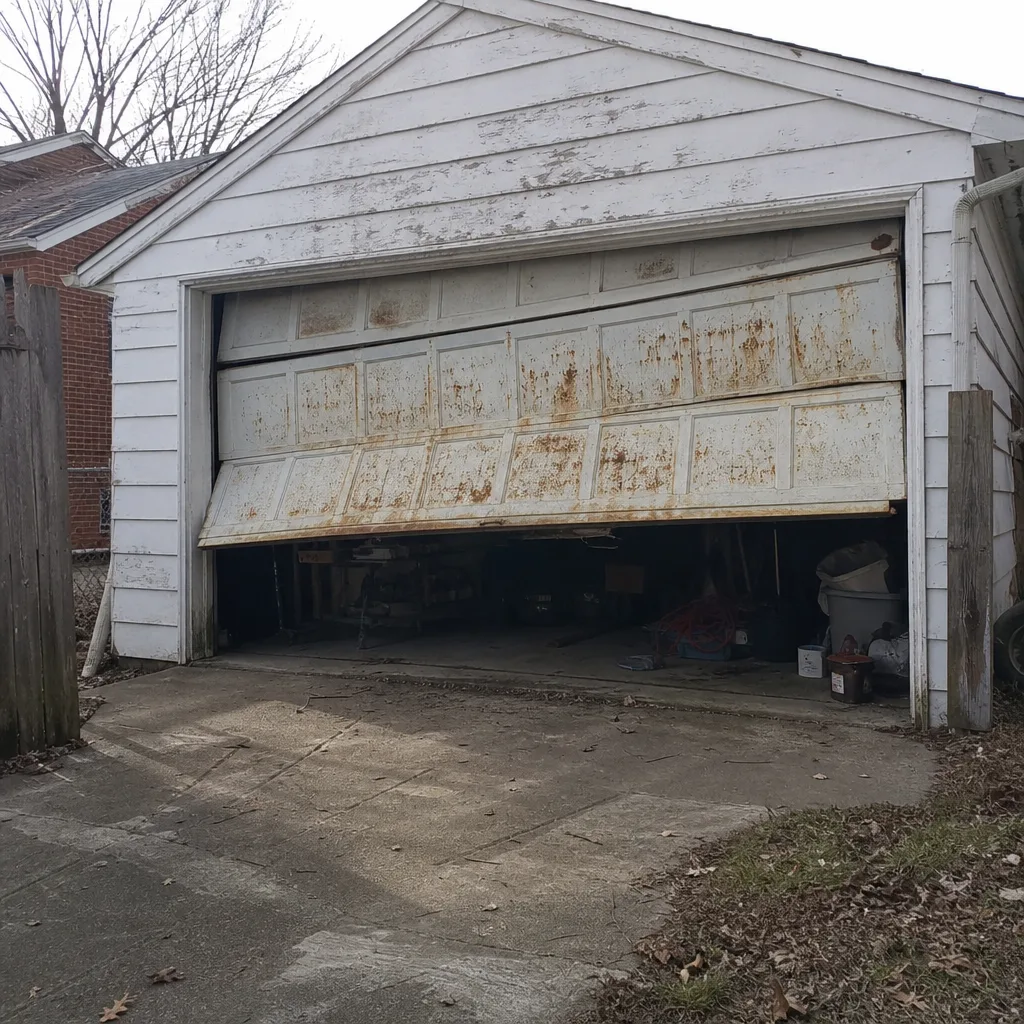
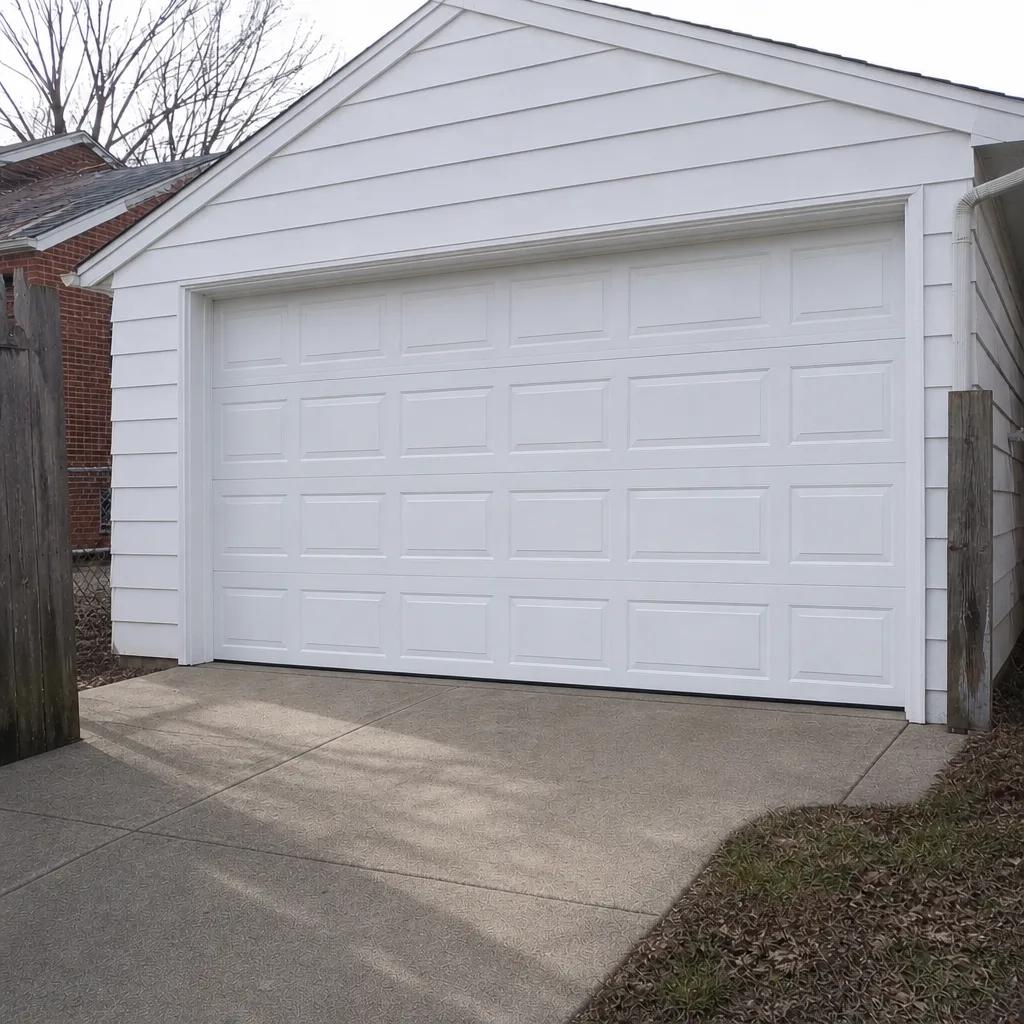
See the difference
 Before
 After
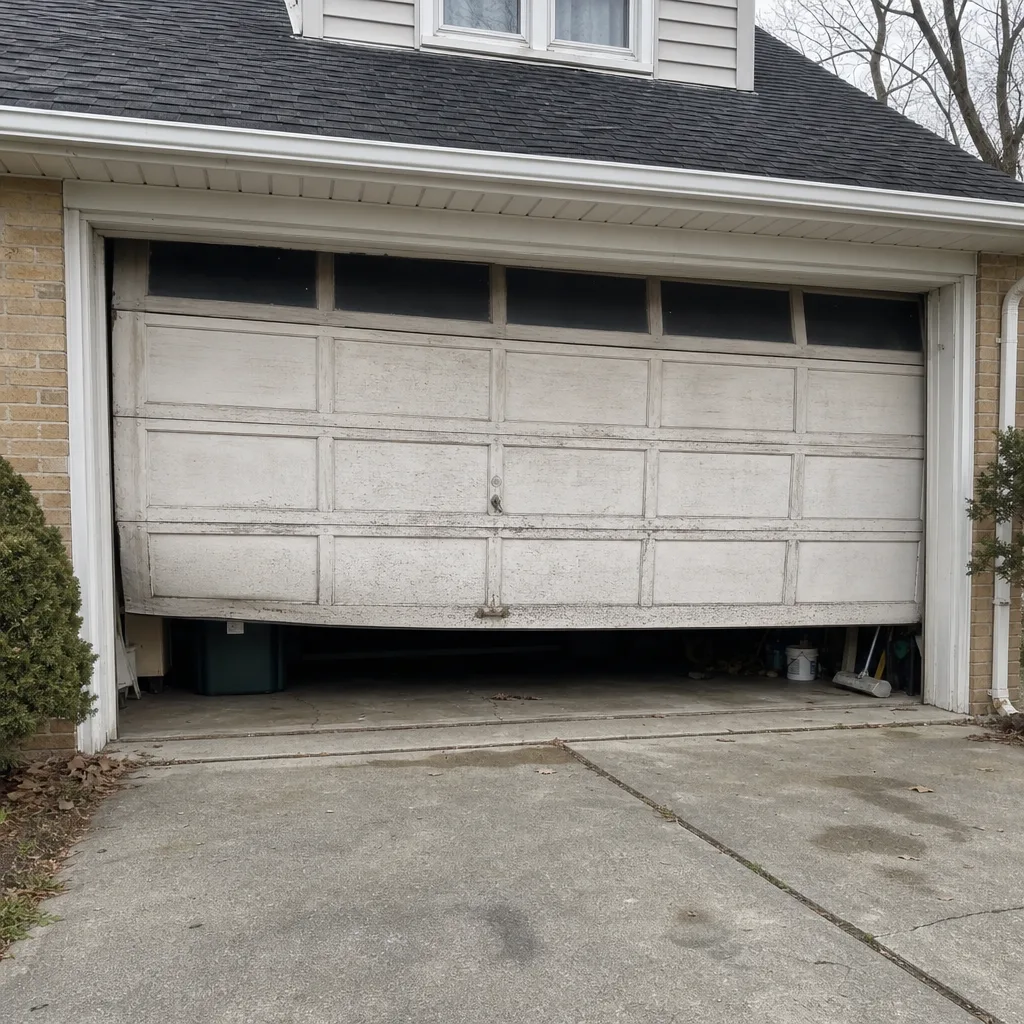 Before
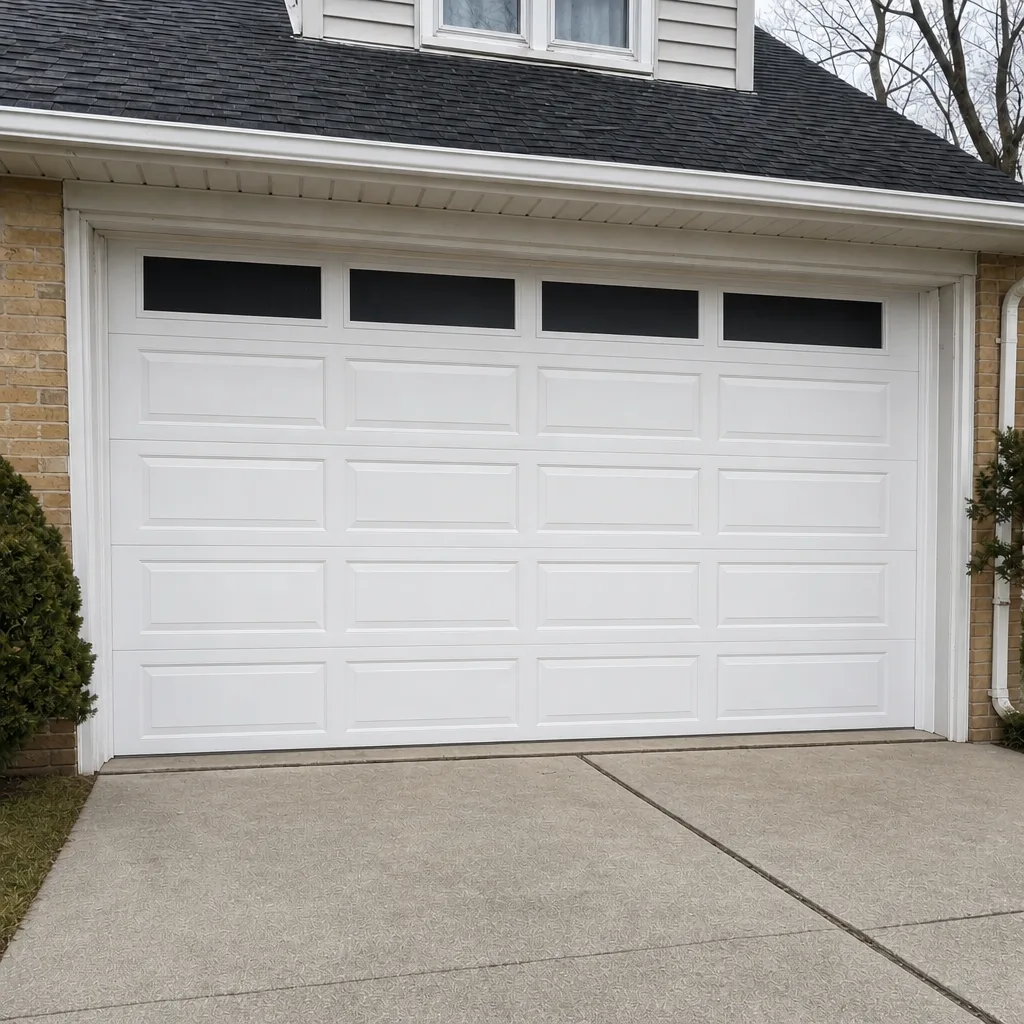 After
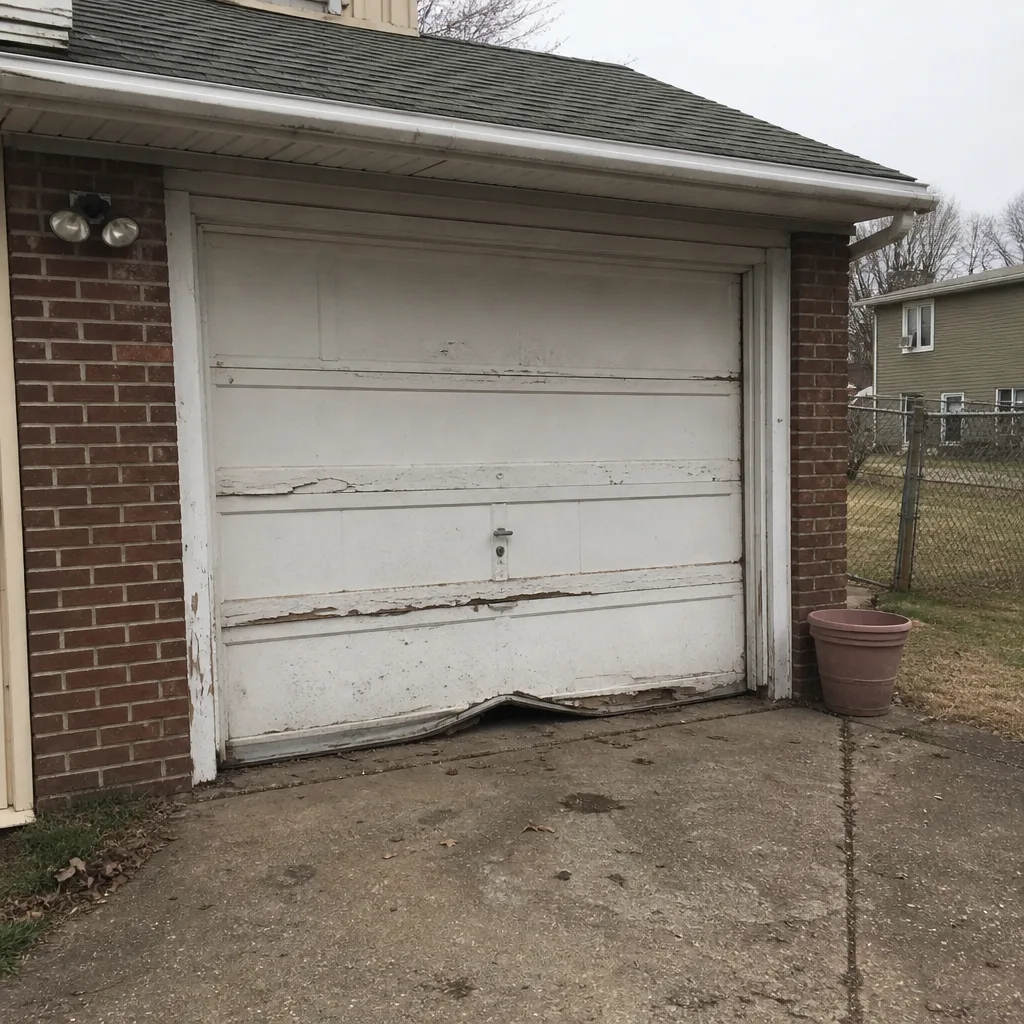 Before
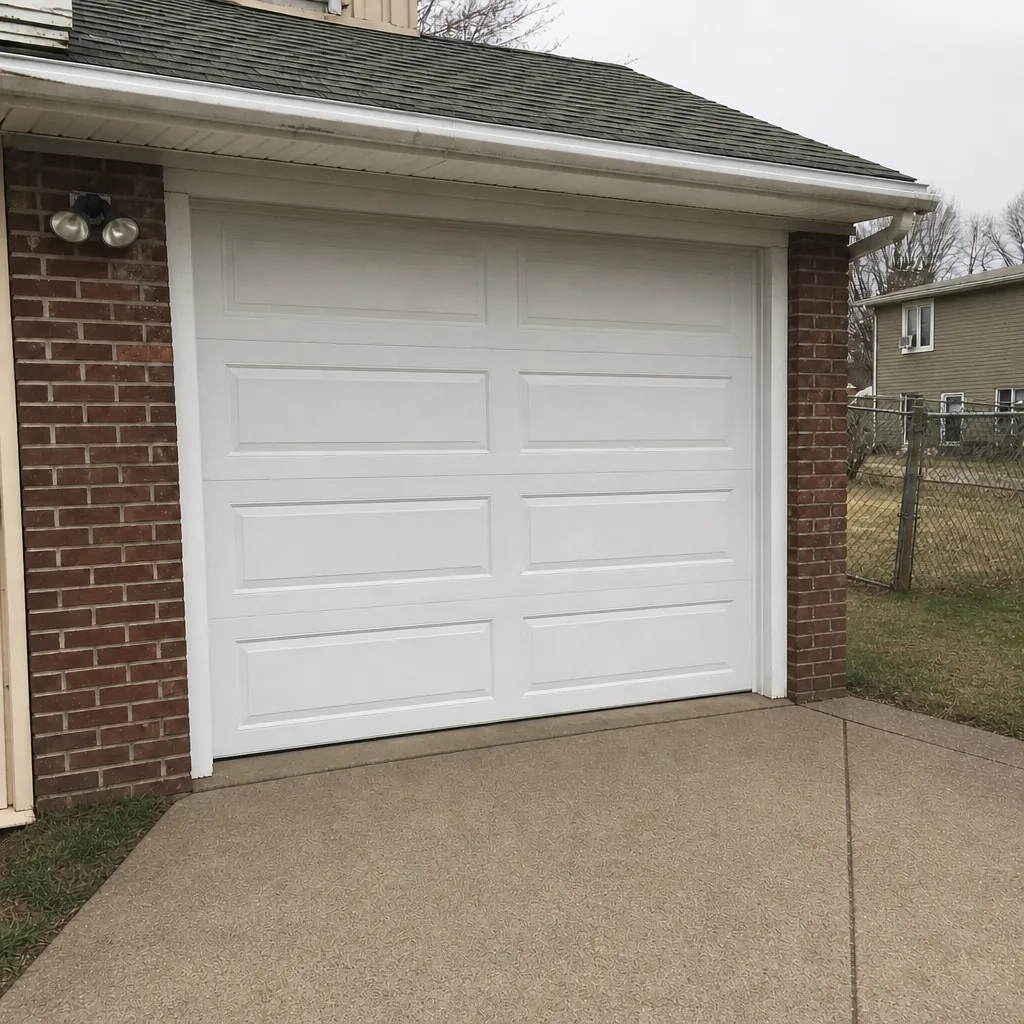 After
When to Call a Professional
Some garage door issues are genuinely worth a call, and some can wait for a scheduled visit. Call for a professional when a torsion or extension spring has visibly broken, when the door opens crooked or comes off one track, when the opener runs but the door doesn’t move, or when the door won’t close and your security is compromised. Those are the moments where same-day emergency garage door service matters. If you’re simply planning a replacement or replacing a worn opener, that’s a scheduled appointment rather than an emergency, and the estimate comes first. In Mayfair, Garage Door Repair Mayfair offers free estimates. Call (833) 468-5701 for a visit, and the technician will diagnose the door and the opener together so nothing gets patched and left unaddressed. That single-visit approach is the whole point of working with a company where garage doors are all we do.
Frequently Asked Questions
Ask for the contractor’s PA home improvement contractor registration number and look it up in the PA Attorney General’s online database, confirming the status is current rather than expired or suspended. The search takes under a minute and belongs with your written estimate. Call (833) 468-5701 if you want to discuss the door first and a free estimate.
Often, yes, when the broken spring’s wire size is one the technician carries on the truck. Emergency garage door service is a named offering, and spring repair is part of the core service menu. The right wire size for your door depends on its weight, so the technician confirms it on arrival. Call (833) 468-5701 to check availability for your door.
The written estimate sets the final price, and the figure you agree to before any work starts is the figure that should appear on your invoice. If a technician finds something during the visit that wasn’t visible at the estimate, they should explain it and get your approval before proceeding. Call (833) 468-5701 for a free estimate and a written quote.
The local professionals we connect you with are licensed and insured as the state of Pennsylvania requires, which is part of what the registration check confirms. Always verify the current registration in the PA Attorney General’s database before booking. Call (833) 468-5701 with any questions about the process.
Not necessarily. A broken spring is a spring problem, and the opener often survives if it wasn’t forced to lift the door for long after the spring failed. It’s worth asking the technician to test the opener’s travel limits and force settings once the new spring is installed. Call (833) 468-5701 for an evaluation before you decide.
We service equipment from LiftMaster, Chamberlain, Genie, Clopay, Amarr, Wayne Dalton, Craftsman, and Raynor, covering most residential doors and openers in Mayfair. If your brand isn’t on that list, call (833) 468-5701 and we’ll tell you honestly whether it’s a fit before you book.
The Bottom Line
The best hiring filter for garage door work in Mayfair isn’t the license check, though you should absolutely run it through the PA Attorney General’s database first. It’s the parts question. A company that stocks torsion springs in multiple wire sizes and carries common parts for your opener brand can finish the repair on the first visit. A company that has to order everything turns a one-hour job into a week. Add the five diagnostic questions, read the written estimate line by line, and insist on parts and labor broken out separately. Choose a single-trade specialist, and you’ll spend less time waiting and less money on the wrong number. For an honest diagnosis of both the door and the opener, call (833) 468-5701 for a free estimate.
Written by the team at Garage Door Repair Mayfair.