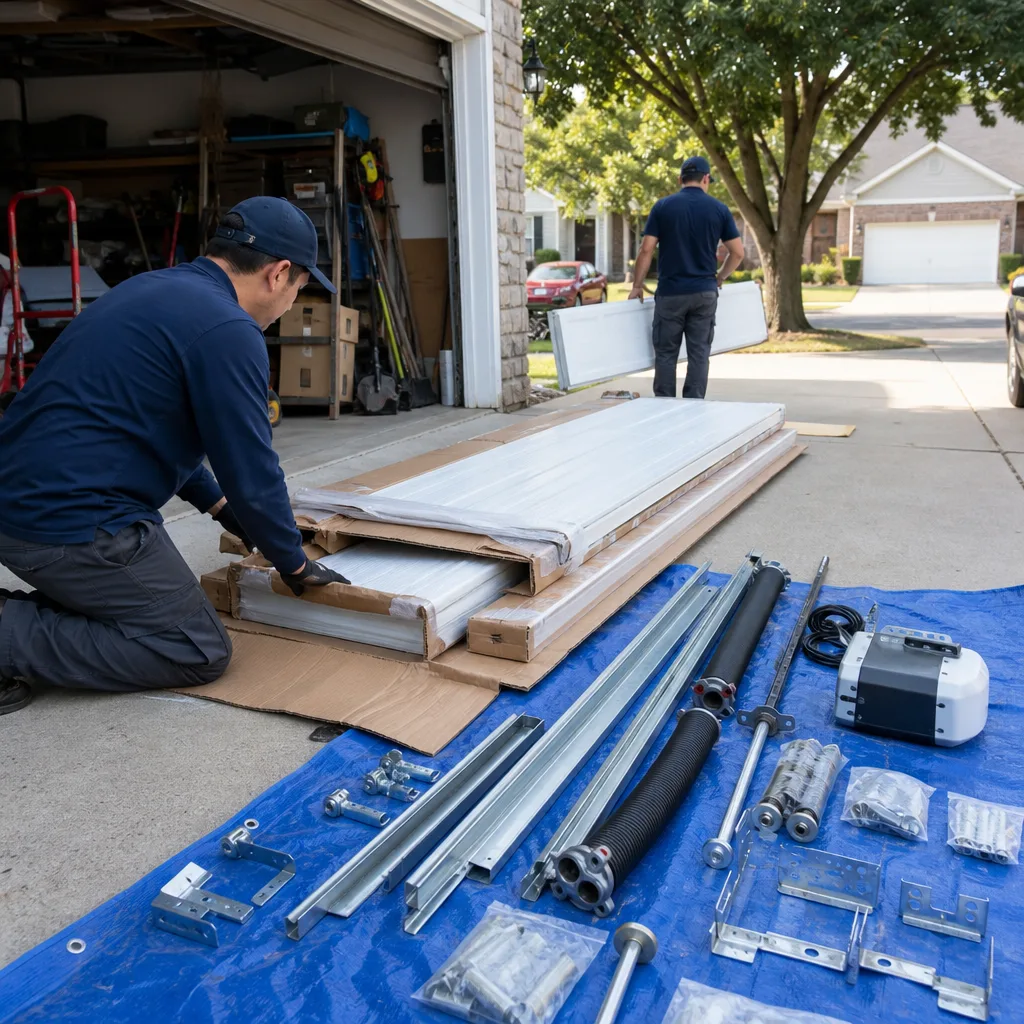
Last updated November 21, 2026
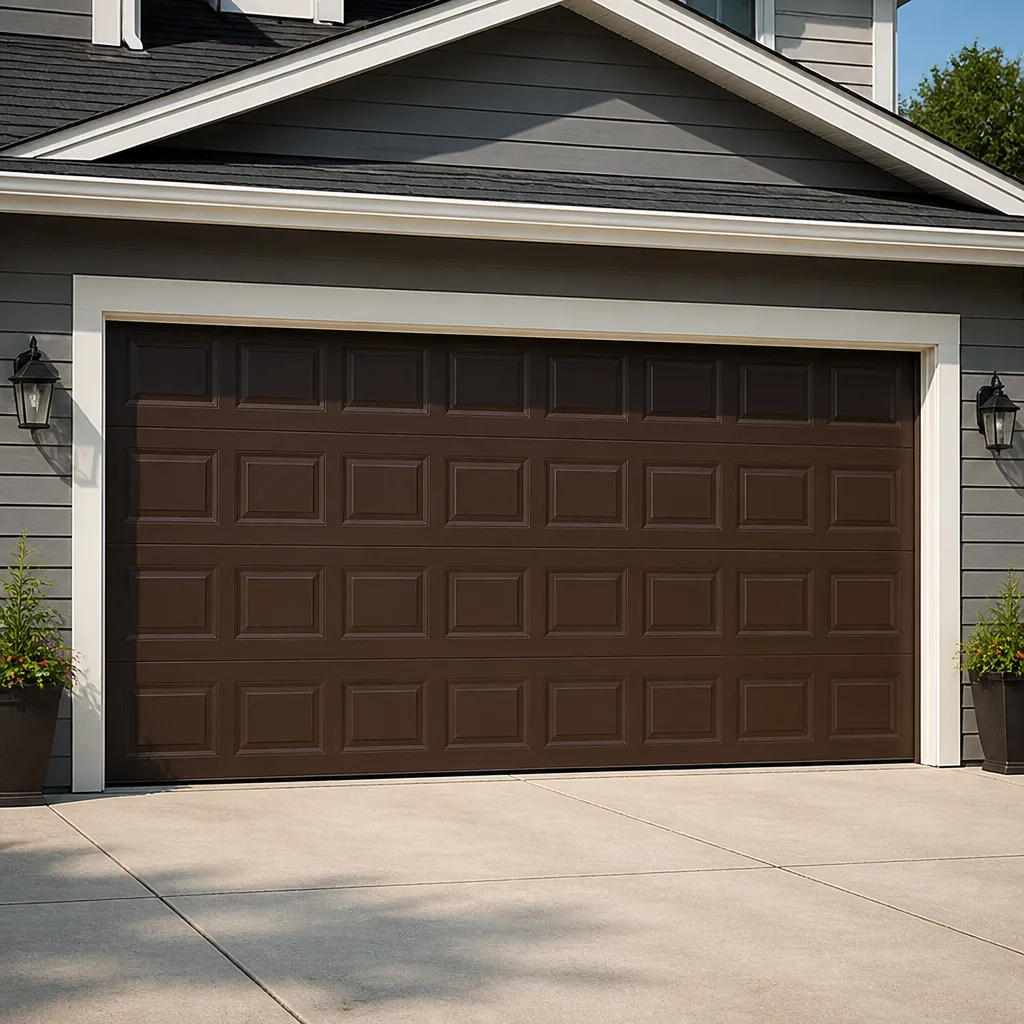 Raised-panel steel
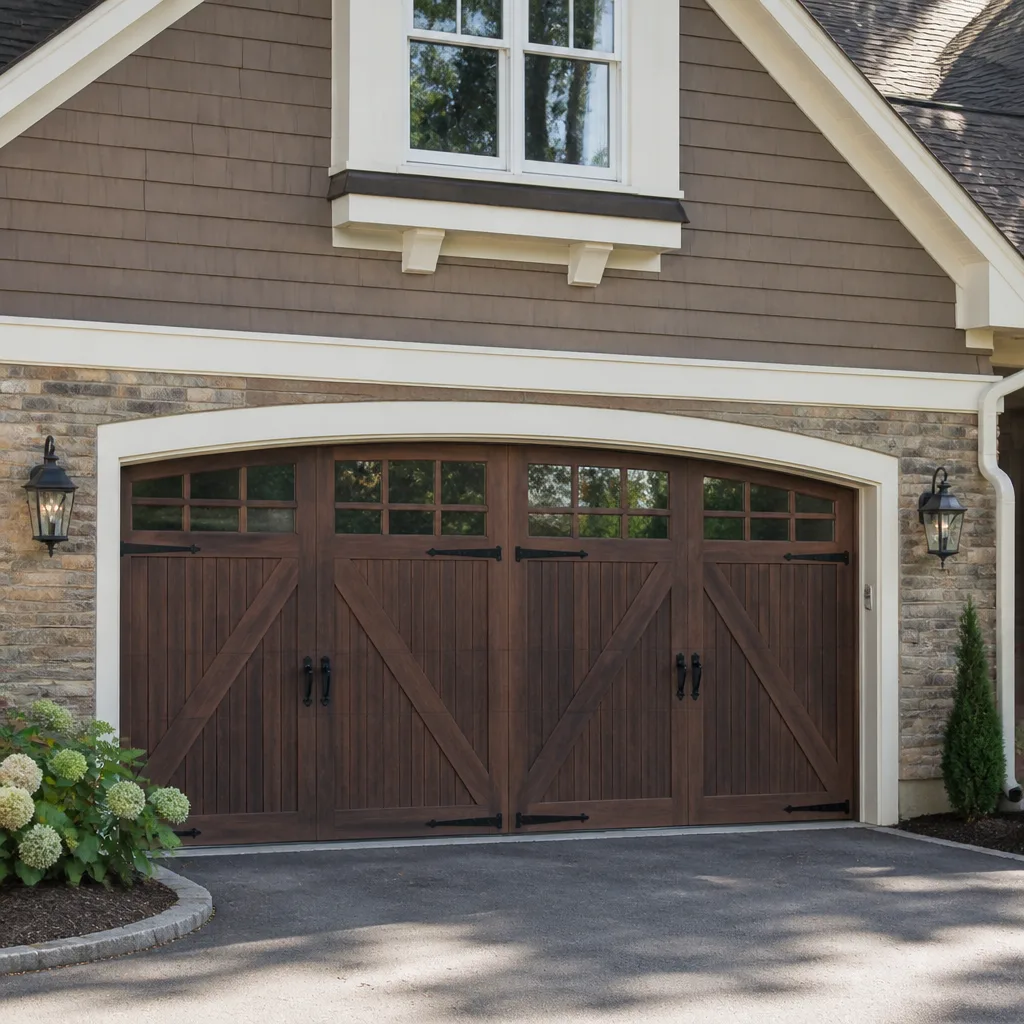 Carriage house
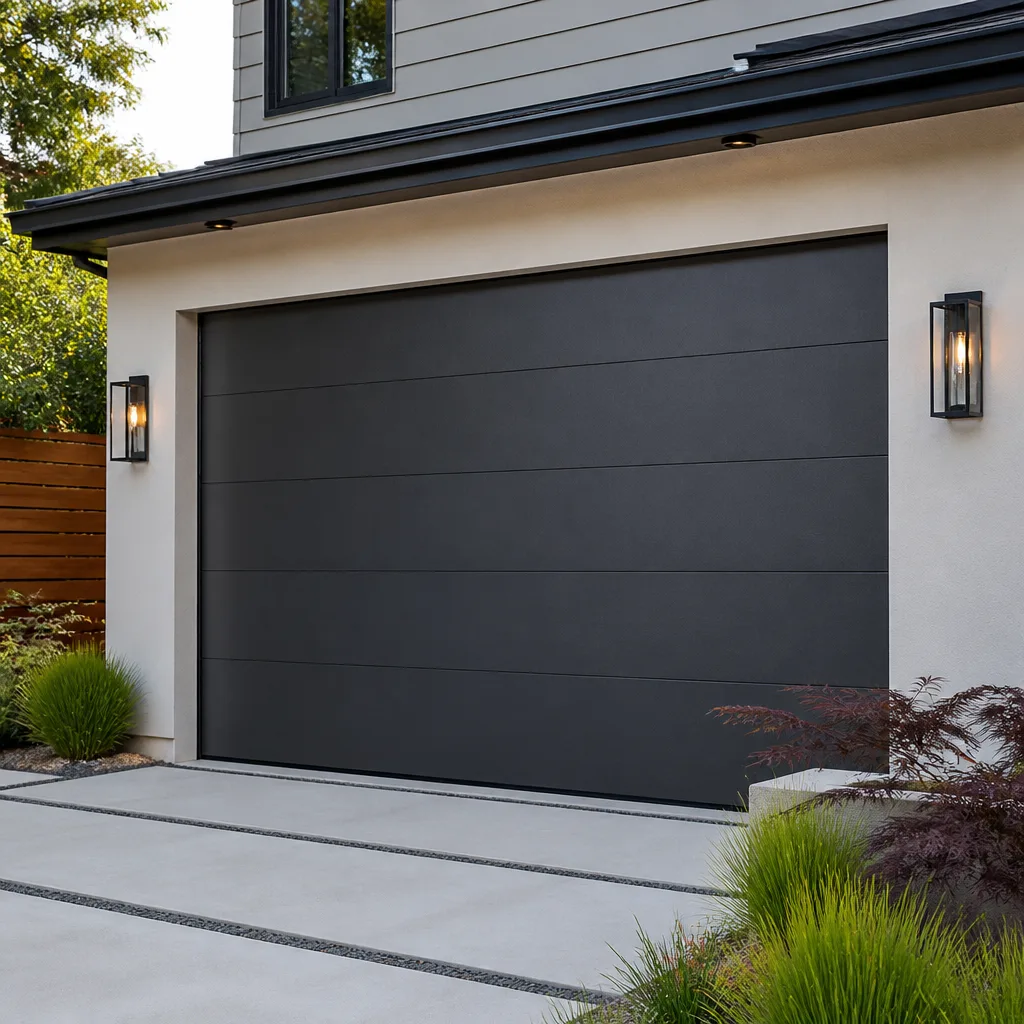 Modern flush
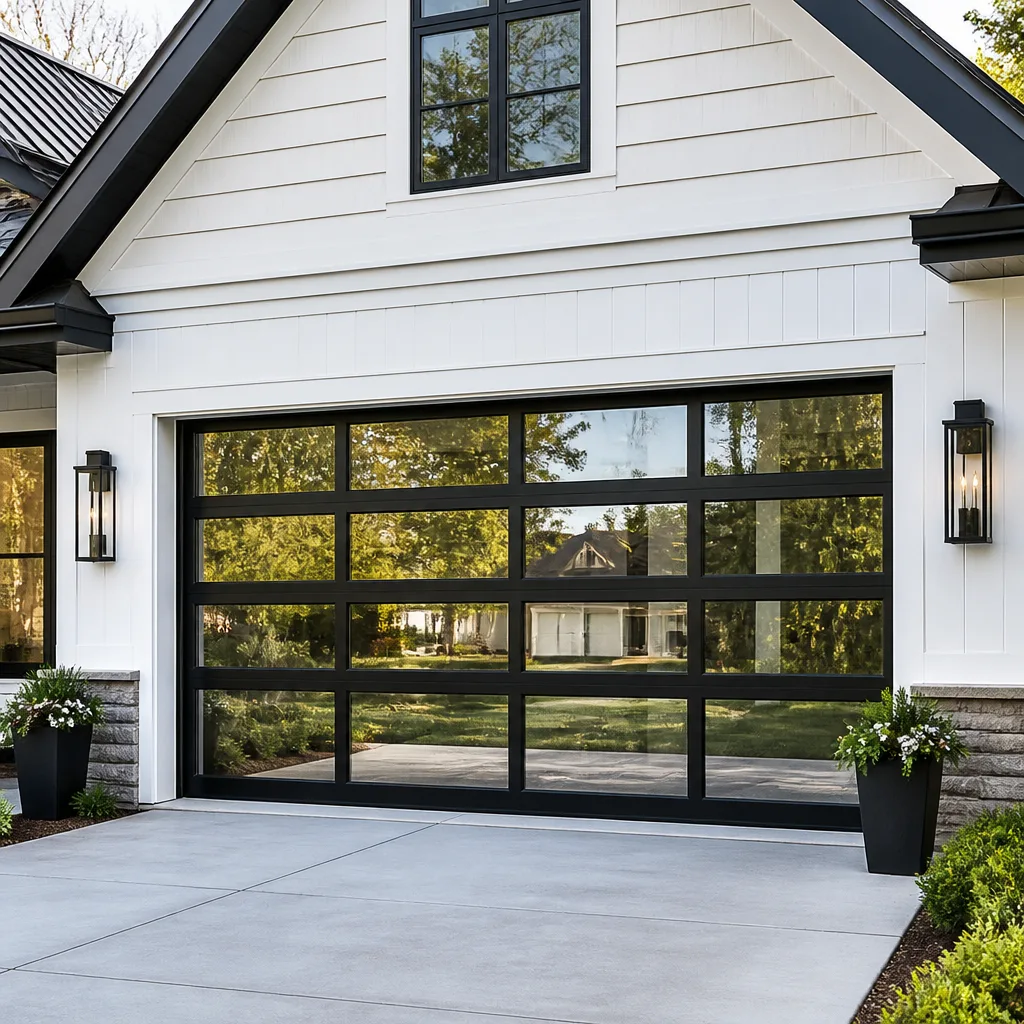 Full-view glass
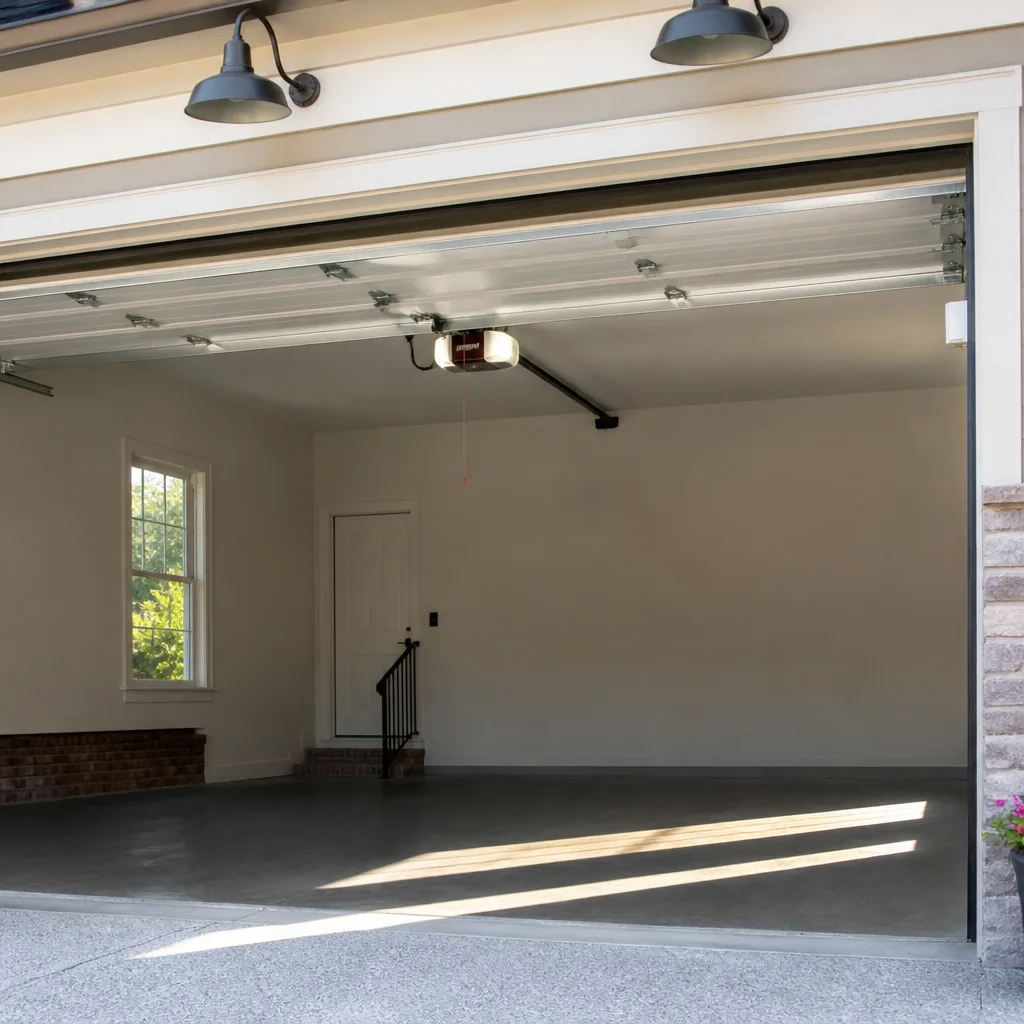 LiftMaster openers
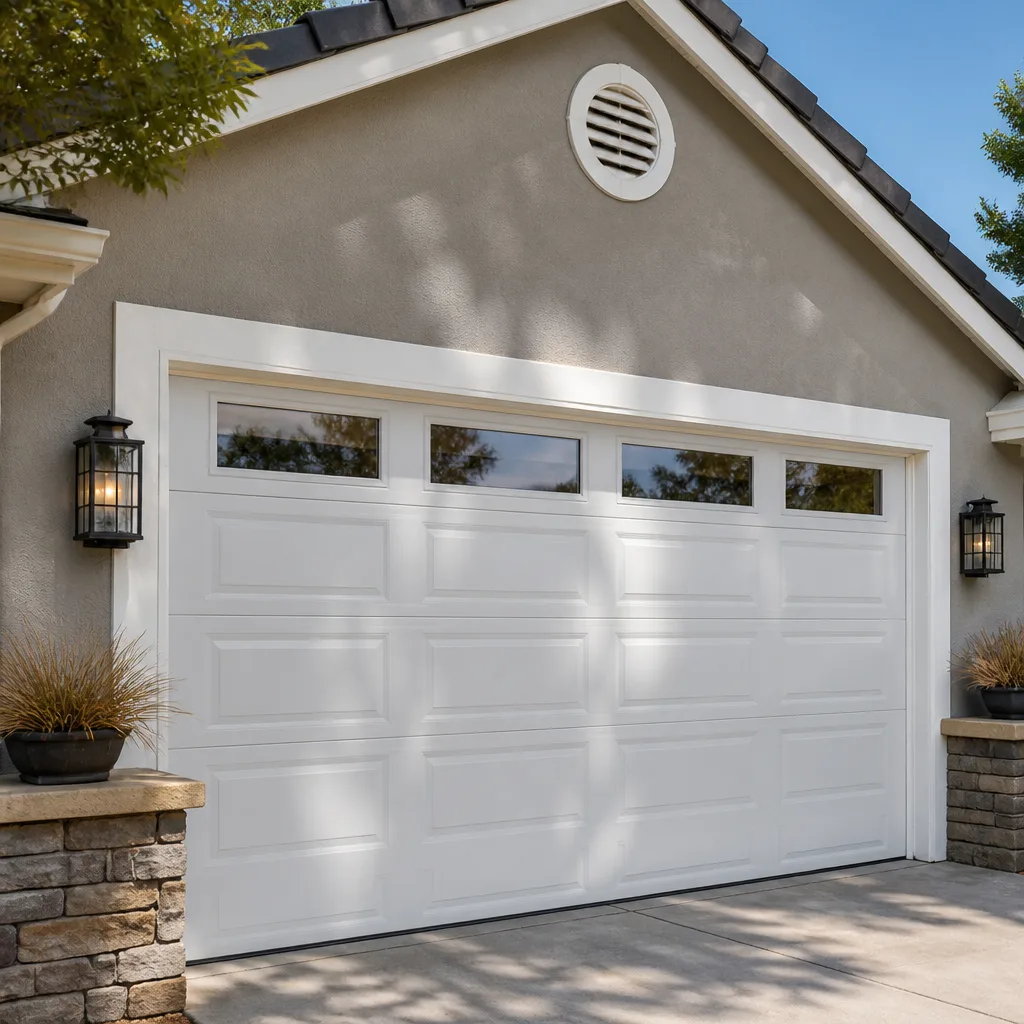 Chamberlain openers
Full 25-point door and opener safety check with every visit - springs, cables, rollers, tracks, and your LiftMaster or Chamberlain opener included
You get a price before we start. It does not change when the pro arrives.
Get your free estimateGarage Door Permits, Codes & Inspections in Mayfair, PA: What You Need to Know
Most Mayfair homeowners assume a garage door replacement always needs a permit. It usually doesn’t. That’s the counterintuitive part, and it’s also where people get into trouble in the other direction: they hear “no permit needed” for a simple swap and then apply that same assumption to a job that changes the opening size, modifies a structural header, or adds a new electrical circuit for an opener. Those jobs are a different story entirely. This guide walks through when the City of Philadelphia’s building rules apply in Mayfair, what triggers a permit, what inspectors actually look for under the UL 325 safety standard, and what paperwork to keep even when no permit is required.
Quick Answer
In Mayfair, a like-for-like garage door replacement (same size, same opening, same type) typically doesn’t require a building permit, but any job that changes the door opening size, modifies a structural header, or adds a new dedicated electrical circuit for an opener usually does. All new openers must meet the UL 325 safety standard for entrapment protection. Confirm the specific requirement with the City of Philadelphia Department of Licenses and Inspections before work starts, and keep your installation documentation even for permit-exempt replacements.
Styles & brands we work with
- Raised-panel steel
- Carriage house
- Modern flush
- Full-view glass
- LiftMaster openers
- Chamberlain openers
Table of Contents
- Who Has Jurisdiction in Mayfair: City of Philadelphia or Local Township Rules?
- What Triggers a Garage Door Permit in Mayfair?
- When You Don’t Need a Permit (And What to Keep Anyway)
- UL 325 Safety Standards: What Inspectors Look For
- Wind Load and Storm Rating Requirements in Pennsylvania
- How Unpermitted Work Affects Insurance and Home Sales
- What a Garage Door Inspection Actually Covers
- The Step-by-Step Permit Process in Mayfair
Who Has Jurisdiction in Mayfair: City of Philadelphia or Local Township Rules?
Mayfair sits inside Northeast Philadelphia, which means garage door work there falls under the City of Philadelphia’s building code and the Department of Licenses and Inspections (L&I). That’s the single most important jurisdictional fact for Mayfair homeowners, because it’s different from what applies in the surrounding suburbs. A homeowner in a neighboring Montgomery or Bucks County township deals with a separate municipal code office with its own permit forms, fees, and inspection schedules. A homeowner in Mayfair deals with the city.
The confusion usually starts when someone gets advice from a contractor who mostly works the suburbs, or reads a forum post about “Pennsylvania garage door permits” and assumes one statewide rule covers everything. Pennsylvania uses the Uniform Construction Code as its base, but Philadelphia enforces its own version through L&I, and the practical steps – where you file, who inspects, how long it takes – are city-specific.
A few things this means in practice for Mayfair:
- Your permit questions go to Philadelphia L&I, not a township office.
- Philadelphia’s permit thresholds and inspection process govern your job, even if a neighboring suburb would handle it differently.
- Contractors who regularly work in Northeast Philadelphia already know the city’s process. Ask any contractor you hire whether they’ve pulled permits through Philadelphia L&I before.
- If your property sits near a boundary with another municipality, confirm your address falls within city limits before assuming which code applies.
The safe move on any garage door project in Mayfair is a direct call to L&I with your address and a plain description of the work. It takes a few minutes and removes all the guesswork.
What Triggers a Garage Door Permit in Mayfair?
Three specific conditions push a garage door project from “usually exempt” into “permit required” territory. If your job involves any of these, treat it as a permitted project from the start.
1. Structural Header Modification
The header is the horizontal beam above the garage opening that carries the load of the wall above it. Any change to that header – enlarging the opening, raising the height, replacing or reinforcing the beam – is structural work. Structural work needs a permit and an inspection in Philadelphia, full stop. This comes up most often when a homeowner wants to fit a taller door (for a lifted truck or a boat, say) or widen the opening for a double-door setup. Those jobs aren’t just “a bigger door.” They’re structural alterations with load calculations behind them, and the permit protects you if anything goes wrong later.
2. A New Dedicated Electrical Circuit for an Opener
Most garage door openers run on a standard household circuit, and if you’re replacing an opener in the same spot with the same power source, that’s typically a swap, not new electrical work. But if your garage has no opener circuit at all and you’re adding one, or if you’re running a new dedicated 20-amp circuit for a heavier opener, that’s electrical work. In Philadelphia, adding a new circuit generally requires an electrical permit and inspection. This is the exact scenario that catches homeowners off guard during a home sale, because unpermitted electrical work shows up fast in a buyer’s inspection report.
3. A Change in Door Opening Size
Different from a header modification but often related: if the rough opening dimensions change at all – wider, taller, or a different configuration – the job usually crosses into permit territory. A replacement door that matches the existing opening exactly (same width, same height, same track layout) is the case that typically doesn’t require a permit. Once the opening changes, the structural and life-safety questions multiply, and so does the paperwork.
If you’re weighing repair against replacement, our garage door installation team can tell you which of these triggers applies to your specific situation before you commit to anything. That conversation is free, and it’s the cheapest way to avoid a permit surprise.
When You Don’t Need a Permit (And What to Keep Anyway)
A straightforward like-to-like replacement – same size, same opening, same door type, same opener location and power source – usually doesn’t require a building permit in Mayfair. Neither does routine repair work: replacing a torsion spring, swapping a roller, fixing a bent track, or replacing a worn opener with a comparable model at the same spot. Those are maintenance and repair, not construction.
But “no permit required” doesn’t mean “no paperwork.” Even on a permit-exempt job, keep documentation. Here’s what to hold onto:
- The written contract or estimate. Shows the scope of work, the door model or opener model installed, and the date.
- Manufacturer documentation. The installation manual and warranty paperwork for the door and opener, including the model and serial numbers.
- Proof of UL 325 compliance. The opener’s documentation should reference the UL 325 standard for entrapment protection. Keep it.
- Photos of the finished work. A few clear shots of the installed door, the opener, the safety sensors, and the spring assembly. Cheap insurance if questions come up years later.
- The contractor’s information. Name, contact details, and a note that the work was performed. If your jurisdiction ever asks, you’ll have a paper trail.
This file matters more than most homeowners realize. When you sell a house, a buyer’s inspector will look at the garage door and opener, and if anything looks non-standard, the buyer’s agent will ask for documentation. Having a folder ready with the contract, the model numbers, and a few photos shortens that conversation dramatically. It’s also useful if you ever need to make a homeowner’s insurance claim tied to the garage door.
UL 325 Safety Standards: What Inspectors Look For
UL 325 is the safety standard for garage door operators, and it’s the piece of code that matters most to anyone buying a new opener in Mayfair. The standard covers entrapment protection – the systems that prevent a closing door from crushing a person, pet, or object. Any opener sold and installed today must meet the current UL 325 requirements, and an inspector or a careful buyer’s home inspector will check for the visible signs of compliance.
What gets checked:
- Photoelectric safety sensors. The paired sensors mounted near the floor on each side of the opening. They project an invisible beam across the doorway; if the beam is broken while the door is closing, the door reverses. Inspectors check that both sensors are present, mounted at the correct height, aligned, and actually working.
- Sensor alignment and wiring. Misaligned or disconnected sensors are the most common failure. If the sensor LED isn’t solid, the door may still open but won’t close reliably – or won’t close at all.
- Force adjustment. The opener’s force settings determine how much resistance it takes before the door reverses on contact. Set too high, and the door won’t reverse when it should. Set too low, and normal operation trips the reversal.
- The manual release. The emergency disconnect cord that lets you operate the door by hand during a power outage. Inspectors check that it’s present, reachable, and functioning.
- Wall-mounted control placement. The wall button should be mounted high enough (typically at least five feet off the floor) and out of reach of small children, with a clear line of sight to the door.
How to confirm your installer is compliant: ask for the opener’s documentation and confirm it references UL 325. Ask whether the safety sensors were tested after installation (they should be – a technician should walk through a sensor-block test before leaving). And confirm the force settings were adjusted for your specific door weight, not left at factory defaults. Our garage door opener repair technicians check all of this on every opener service call, and we work on LiftMaster and Chamberlain units among the major brands, so the setup is familiar.
Wind Load and Storm Rating Requirements in Pennsylvania
Pennsylvania isn’t hurricane country, and Mayfair doesn’t see the kind of sustained wind events that drive code requirements in coastal Florida or the Gulf. That said, wind load considerations do exist in the Pennsylvania building code, and they apply to certain garage door configurations – particularly on larger openings, on doors that serve as part of the building envelope, and on structures where the garage door is a significant percentage of a wall’s surface area.
The practical takeaway for a Mayfair homeowner is that storm-rated door requirements aren’t universal, but they aren’t zero either. Whether a wind-rated door is required for your specific installation depends on the building’s design, the door size, and the local code interpretation. A standard single-car residential door on a typical Mayfair rowhouse or twin is unlikely to trigger a wind rating requirement. A large double-wide opening, or a door on an addition or a detached garage with unusual exposure, might.
Two things worth knowing:
- Door manufacturers like Clopay and Amarr publish wind load ratings for many of their models. If your project needs a rated door, the manufacturer’s spec sheet is the document that proves compliance.
- Storm and impact damage is the more common issue locally. Northeast Philadelphia gets its share of severe thunderstorms and the occasional fallen limb, and a dented or damaged door panel is a repair question, not a replacement question in most cases.
If you’re unsure whether your project needs a wind-rated door, that’s a question for L&I, not a guess made at the kitchen table. Structure and exposure determine the answer, and the plans or existing drawings usually settle it. Our team can help you read the manufacturer spec sheets for the door you’re considering so you know what you’re buying. For anything beyond that, call the city.
How Unpermitted Work Affects Insurance and Home Sales
This is the part of the guide that matters most years after the work is done. Unpermitted garage work – especially unpermitted electrical work – creates problems in two places: insurance claims and home sales.
On the insurance side, the issue isn’t usually that the door itself is unpermitted. It’s that a claim tied to a garage fire, an electrical fault, or a structural failure can be complicated if the adjuster finds work that should have been permitted and inspected but wasn’t. Insurers ask whether the work was done to code. If the answer is “there’s no record either way,” that’s a problem the homeowner has to solve, often at the worst possible moment. The fix isn’t always expensive, but the hassle is real, and the burden of proof lands on you.
On the home sale side, the timeline is more predictable. A buyer’s home inspection will look at the garage door, the opener, the electrical connections, and the structural framing above the opening. If the inspector flags an unpermitted opener circuit or a header modification with no record, the buyer’s agent will ask for documentation. If you can’t produce it, the options are to pull a retroactive permit (which may require opening up walls for inspection), negotiate a credit to the buyer, or lose the sale. None of those is cheap, and all of them are preventable by doing the paperwork up front.
The documentation rule that protects you in both scenarios is the same: keep a file for every garage door project, whether or not a permit was involved. Contract, model numbers, photos, UL 325 documentation, and any permit or inspection records. If your job required a permit, keep the final inspection sign-off too. That single folder is what turns a potential headache into a five-minute conversation. For routine repairs, our garage door repair service leaves you with the paperwork you need, and we’ll always tell you when a repair crosses into permit territory.
What a Garage Door Inspection Actually Covers
A garage door inspection – whether it’s part of a permit process, a home sale, or a homeowner’s annual maintenance – covers the whole system, not just the door panel. Knowing what gets checked helps you spot issues before an inspector does, and it helps you understand what a technician is looking at when they walk into your garage.
A thorough inspection typically covers:
- The door and panels. Dents, cracks, rust, loose hinges, and panel alignment. A misaligned panel puts extra load on the opener and the springs.
- The springs. Torsion or extension springs are inspected for wear, rust, and the set screws that hold them in place. Spring inspection is visual and hands-off; a trained technician doesn’t manipulate a wound spring to “test” it, because that’s how injuries happen.
- The cables and drums. Fraying, kinks, and proper winding on the drums.
- The track. Straightness, alignment, and the condition of the rollers.
- The opener and its safety systems. UL 325 compliance items: sensors, force settings, manual release, wall control placement.
- The balance test. With the opener disconnected, the door should lift and hold at roughly the halfway point. An unbalanced door is a symptom of spring or cable problems.
- The weather seal and bottom bracket. The bottom seal keeps water and pests out; the bottom bracket holds the cable and is a known failure point if it’s worn.
If you’re buying or selling a home in Mayfair and the inspection turns up anything on this list, the right next step is a specialist’s assessment, not a general handyman patch. For a deeper look at what routine maintenance involves, see our Garage Door Repair Mayfair page for the full service overview.
The Step-by-Step Permit Process in Mayfair
If your project does need a permit, here’s how the process works in Mayfair, from first call to final sign-off. Every project is a little different, and L&I’s specific requirements can change, so treat this as the general shape rather than a substitute for a call to the city.
- Confirm the requirement. Call Philadelphia L&I with your address and a plain description of the work: “We’re replacing a 16-foot single-car door with a new one and adding a dedicated opener circuit.” They’ll tell you what’s needed. Get the answer in writing if you can.
- Get the plans and specs together. For a header modification or opening size change, you’ll typically need drawings showing the existing and proposed configuration. For an electrical addition, you’ll need a description of the circuit. The door manufacturer’s spec sheet (model, dimensions, wind rating if applicable, UL 325 compliance) is usually part of the package.
- Hire a contractor who pulls permits. A contractor who regularly works Philadelphia jobs will handle the filing. If you hire someone who doesn’t, you may end up filing as the homeowner, which puts the inspection burden on you. Ask up front.
- Submit the application and pay the fee. Fees vary by project scope. L&I will tell you what’s due.
- Schedule the inspections. Depending on the job, you may need a rough-in inspection (before the work is closed up) and a final inspection. Electrical work typically gets its own inspection.
- Get the final sign-off and keep the record. That final inspection document goes in the garage folder with the contract, the model numbers, and the photos.
If you want the short version: a like-for-like replacement in Mayfair usually skips all of this. Anything that touches structure or adds a circuit doesn’t. The line between the two is clear once you know which side of it you’re on, and a five-minute call to L&I settles it. Our technicians have up to 12 years of experience and can tell you whether your specific project is likely to trigger a permit, but the definitive answer always comes from the city.
Common Mistakes to Avoid
- Assuming “replacement” always means “no permit.” A replacement that matches the existing opening is usually exempt, but a replacement that changes the size is not. The distinction matters more than the word “replacement.” Read the triggers above before you assume.
- Skipping documentation on an exempt job. A permit-exempt replacement still needs a paper trail. No contract, no model numbers, no photos means no defense if a home inspector flags the work years later. Keep the folder.
- Adding an opener circuit as a DIY electrical project. A new dedicated 20-amp circuit is not a homeowner improvisation. Do it yourself and you risk both the electrical permit and the UL 325 compliance question in one move. This is a job for a licensed electrician, and often a permit.
- Ignoring the safety sensors after installation. A sensor that’s misaligned on day one may work sporadically and then fail when you need it. Any installer who doesn’t run a sensor-block test before leaving hasn’t finished the job.
- Assuming the suburban permit rules apply in Mayfair. A contractor who mostly works Montgomery or Bucks County may quote you on township rules that don’t apply inside Philadelphia. Confirm your contractor knows the city process.
- Treating a header modification as a “bigger door” job. Widening or raising the opening changes the structural load. That’s not a door swap, and pricing it like one underestimates both the work and the inspection requirements.
- Failing to keep the final inspection sign-off. Even on permitted jobs, the most common gap we see is a homeowner who pulled the permit but lost the final inspection document. That piece of paper is worth more than the permit fee at home sale time.
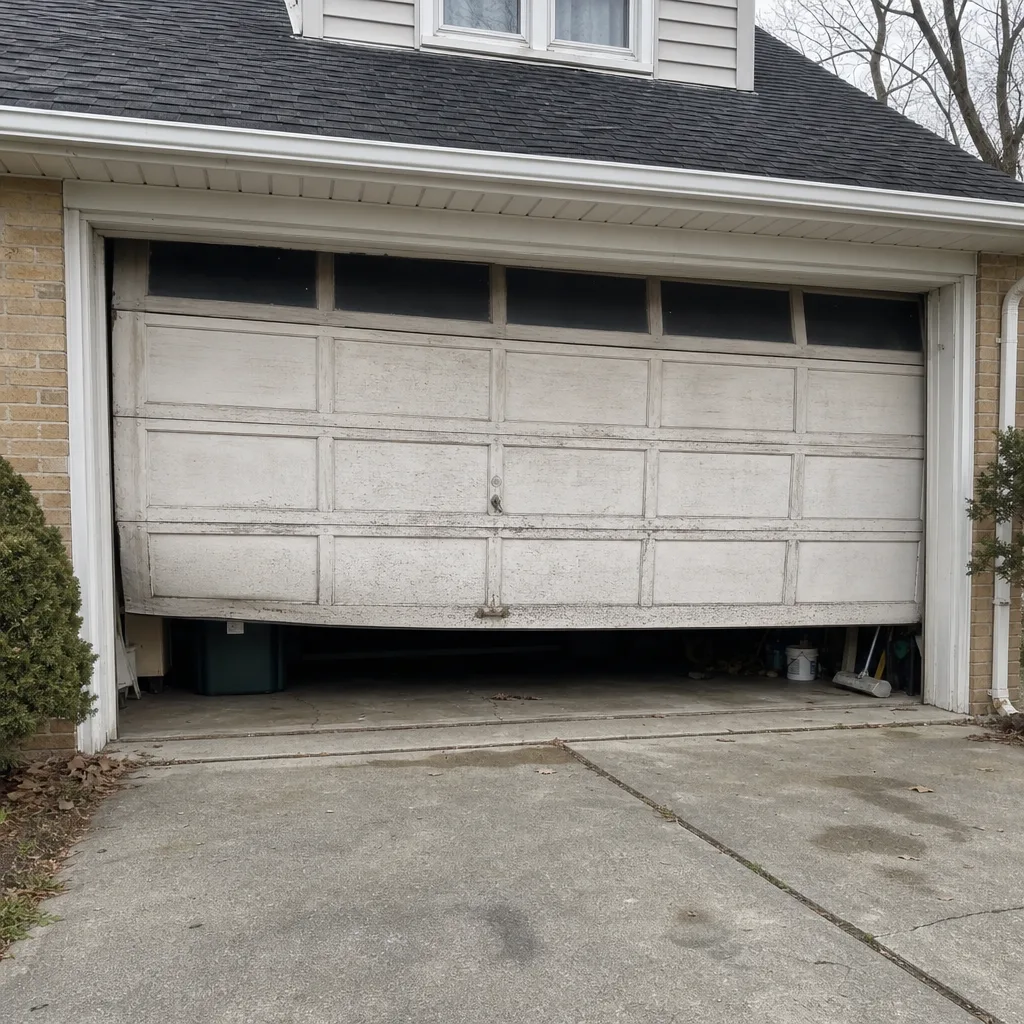
See the difference
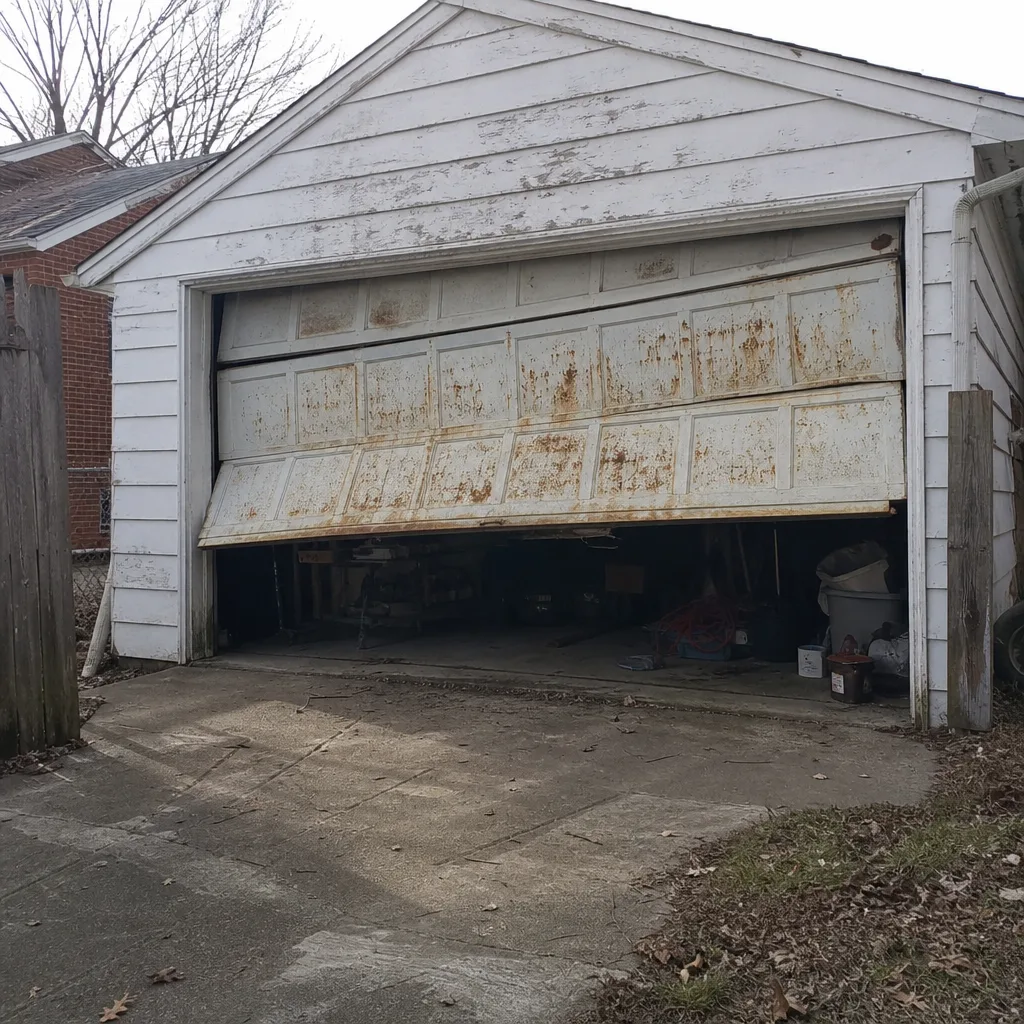 Before
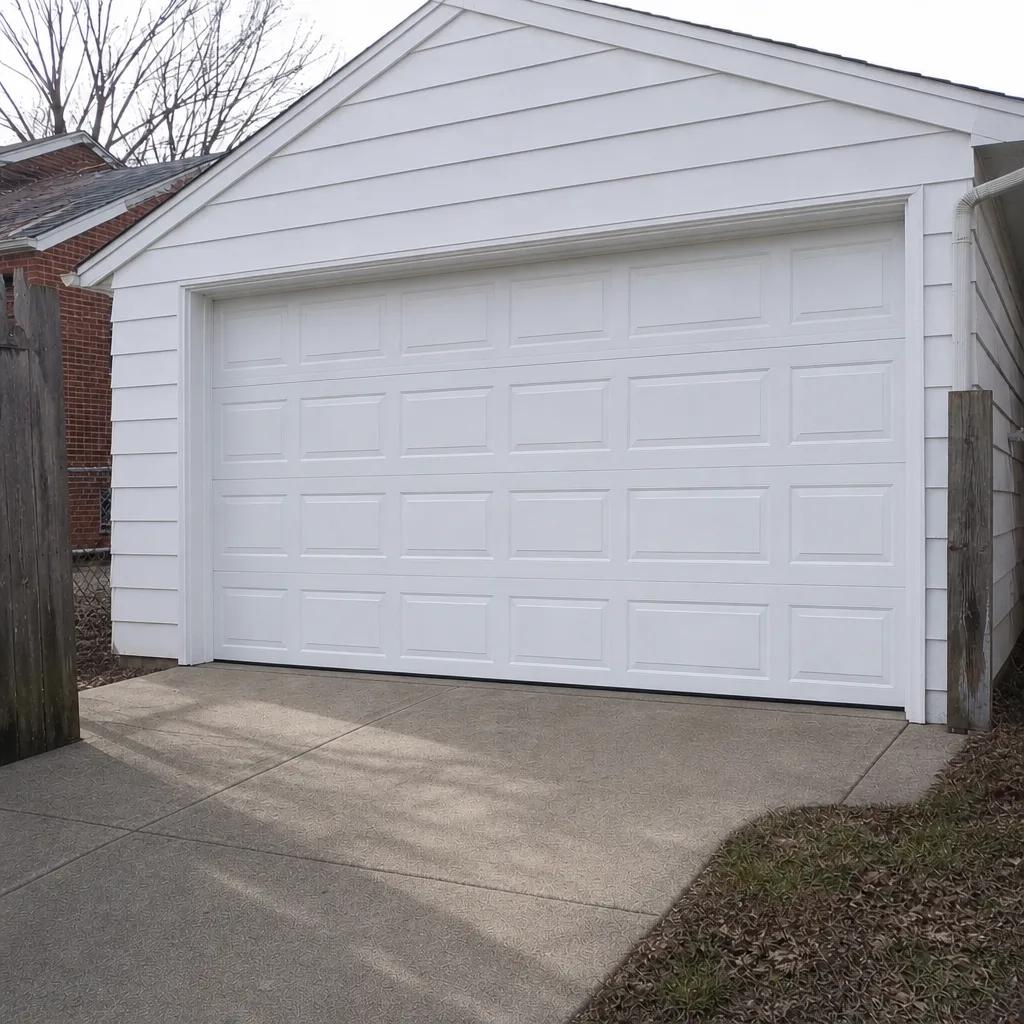 After
 Before
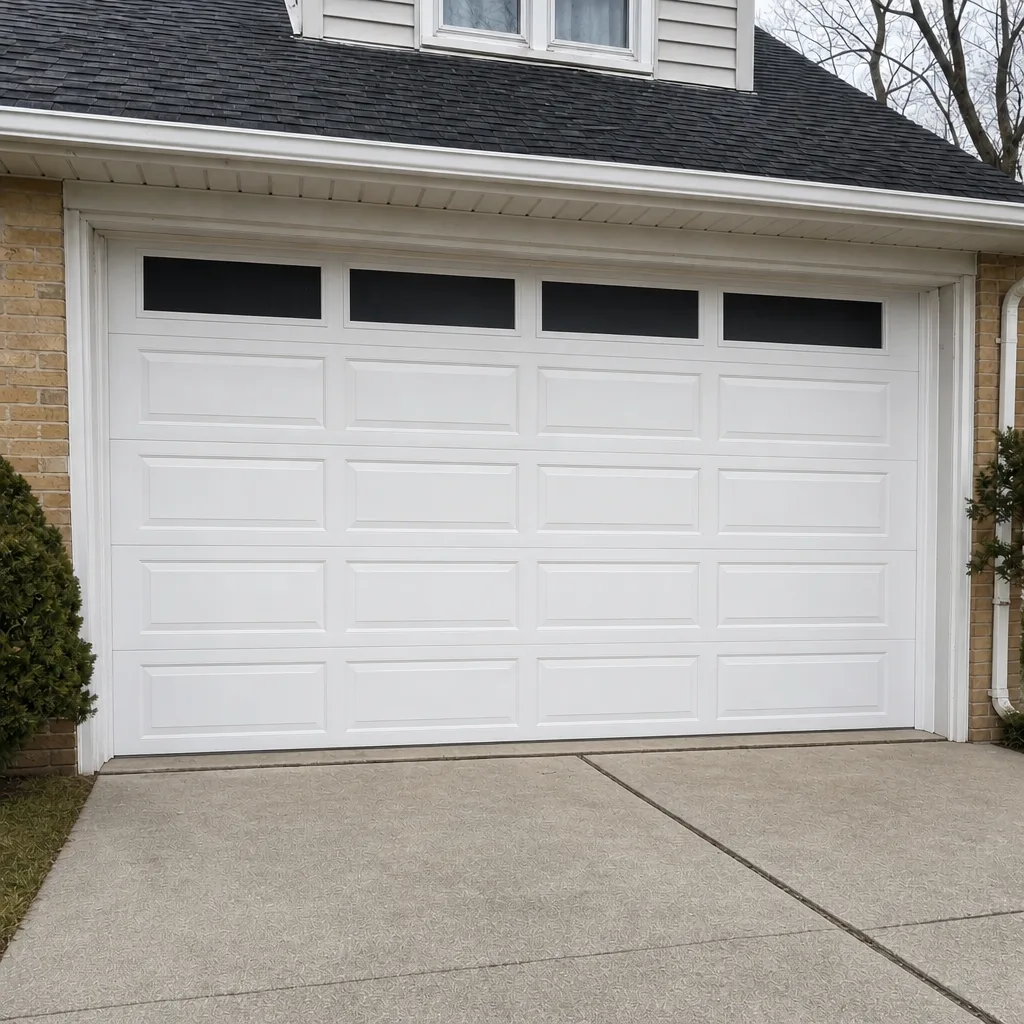 After
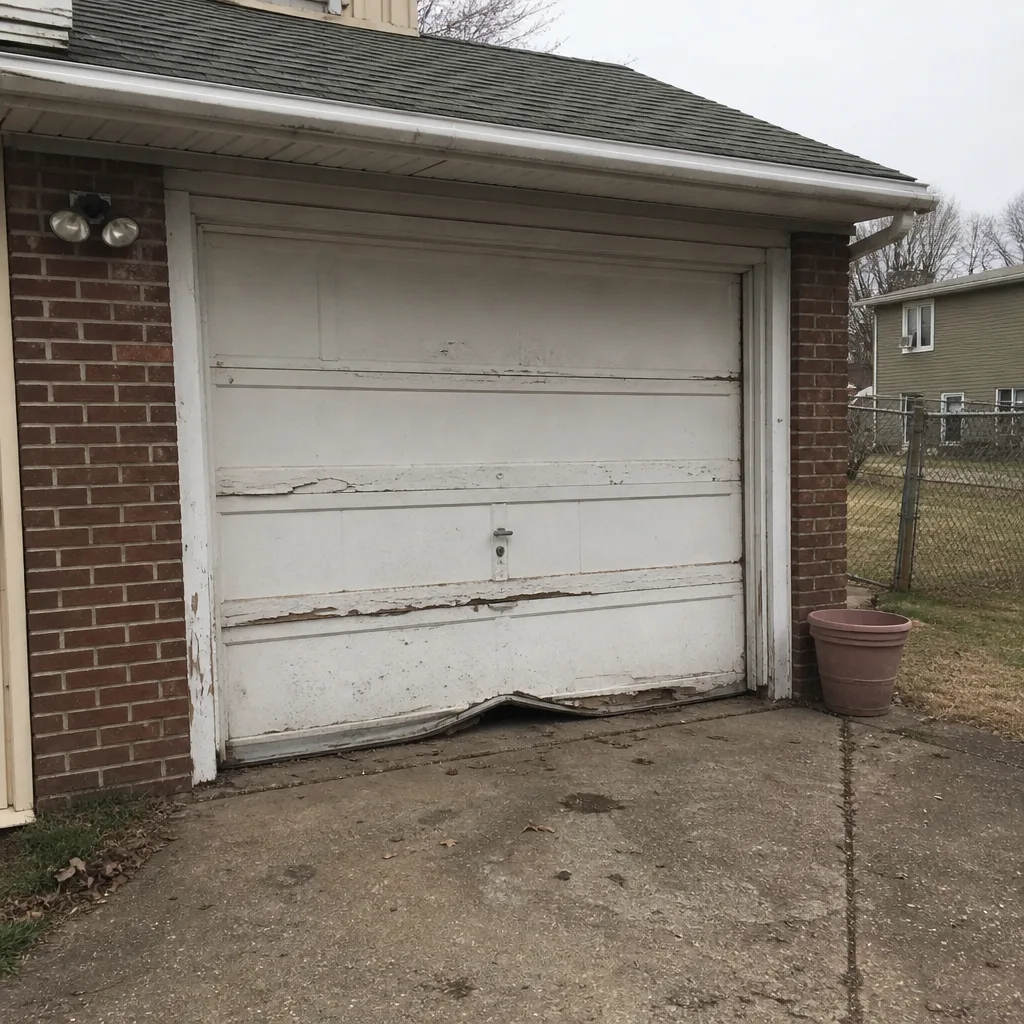 Before
 After
When to Call a Professional
Some garage door problems are genuinely a “call someone” situation, and the permit angle is only part of why. Call a professional if the door won’t open or close at all, if a spring has visibly broken or the door hangs unevenly, if the opener runs but the door doesn’t move, or if the safety sensors won’t stay aligned. Call before you start a job that involves a structural header or a new electrical circuit, because both are beyond what a general handyman should touch. And call if you’re buying or selling a home in Mayfair and the inspection turned up anything on the garage door. Perched garage door spring repair is a safety-critical job: a wound torsion spring stores enough energy to cause serious injury, and it is not a DIY repair under any circumstances. Garage Door Repair Mayfair offers free estimates in Mayfair – call (833) 468-5701.
Frequently Asked Questions
Usually not, if the new door matches the existing opening exactly. A like-for-like replacement (same width, same height, same door type, same opener location) typically doesn’t require a building permit in Mayfair, but any change to opening size, structural header work, or a new electrical circuit for an opener usually does. Call (833) 468-5701 for a free estimate – and confirm with Philadelphia L&I before work starts so you know which side of the line your project is on.
It depends on the electrical work. Replacing an opener at the same location with the same power source is typically a swap, not new construction. Running a new dedicated 20-amp circuit for the opener is electrical work that generally requires a permit and inspection in Philadelphia. If you’re unsure which category your job falls into, call (833) 468-5701 and we’ll walk through it with you.
UL 325 is the safety standard for garage door operators, covering the entrapment protection systems that stop a closing door from crushing a person or object. All openers installed today must meet it, and the visible signs are the photoelectric safety sensors, proper force adjustment, the manual release, and correctly placed wall controls. Ask your installer for the documentation confirming UL 325 compliance. Call (833) 468-5701 for a free estimate on a compliant installation.
It can complicate a claim if the damage traces back to work that should have been permitted and inspected. Insurance adjusters ask whether the work was done to code, and if there’s no permit or inspection record, the burden of proof falls on you. Keep documentation for every garage door job, permitted or not. Call (833) 468-5701 if you need a specialist to assess existing work.
Check for working photoelectric safety sensors on both sides of the opening, a manual release cord, and a wall control mounted high enough to be out of reach of children. Force settings should be adjusted for your specific door, not left at factory defaults. If any of these are missing or uncertain, a service call is worth it. Call (833) 468-5701 for a free estimate on bringing your opener up to standard.
Yes, and it’s a smart move. A pre-listing inspection on the garage door and opener turns up any unpermitted work, worn springs, or UL 325 compliance issues before a buyer’s inspector finds them. Fixing a documented issue before listing is far cheaper than negotiating a credit. Call (833) 468-5701 for a free estimate on an inspection.
The Bottom Line
The permit question in Mayfair comes down to a simple line. A like-for-like replacement usually doesn’t need a permit; anything that changes the opening size, modifies a structural header, or adds a new electrical circuit usually does. All new openers must meet UL 325, and the visible signs of compliance (safety sensors, force settings, manual release) are what inspectors and home inspectors look for. Keep documentation for every job, permitted or exempt, because the folder you build today is what protects your home sale down the road. When in doubt, call Philadelphia L&I directly, and call a specialist for anything involving springs, headers, or electrical work. Call (833) 468-5701 for a free estimate.
Written by the team at Garage Door Repair Mayfair.