Last updated November 21, 2026
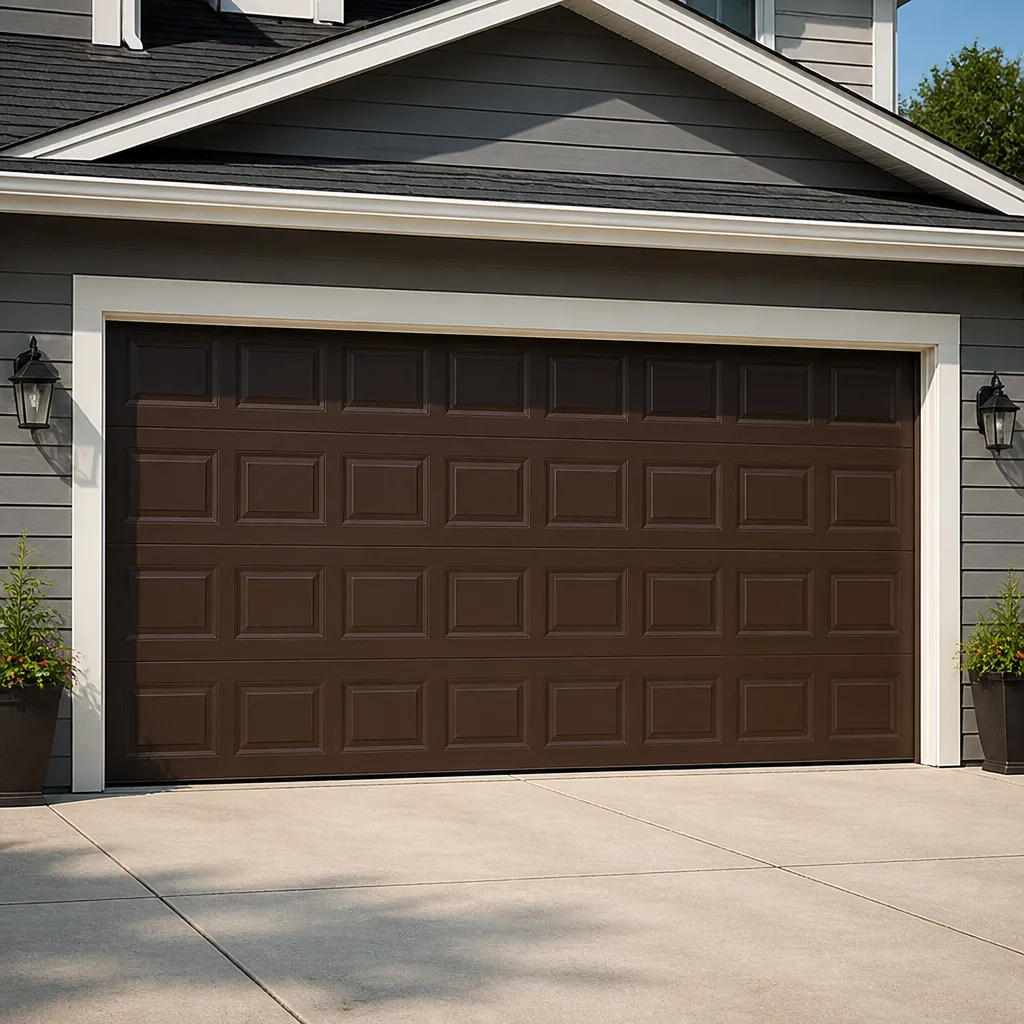 Raised-panel steel
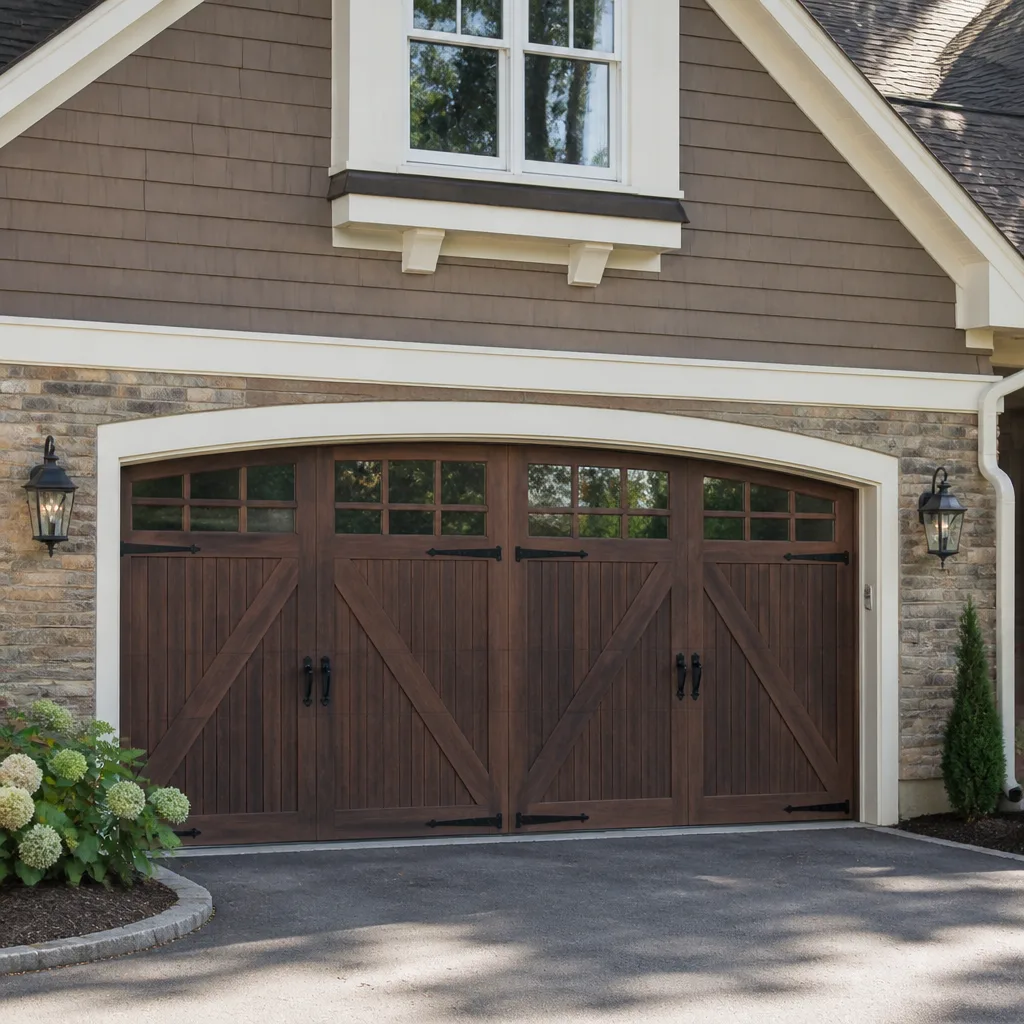 Carriage house
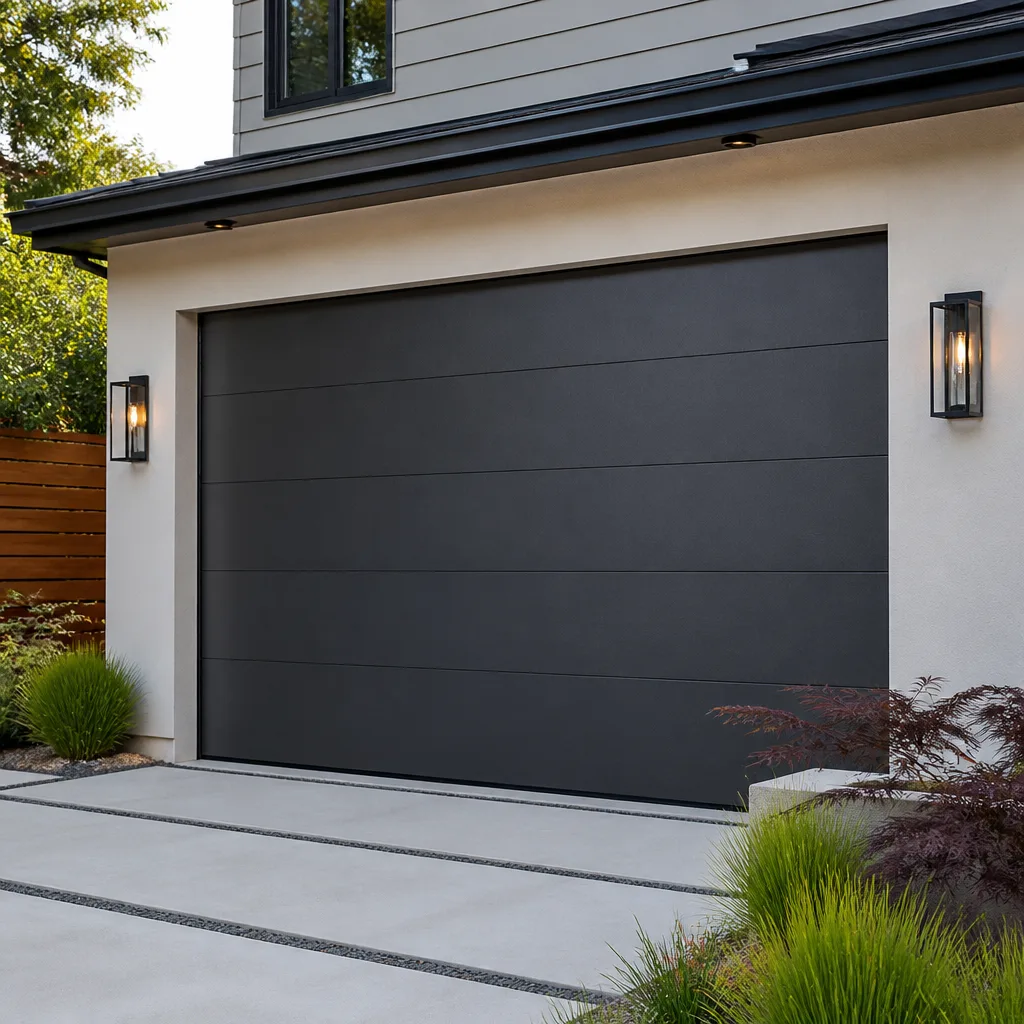 Modern flush
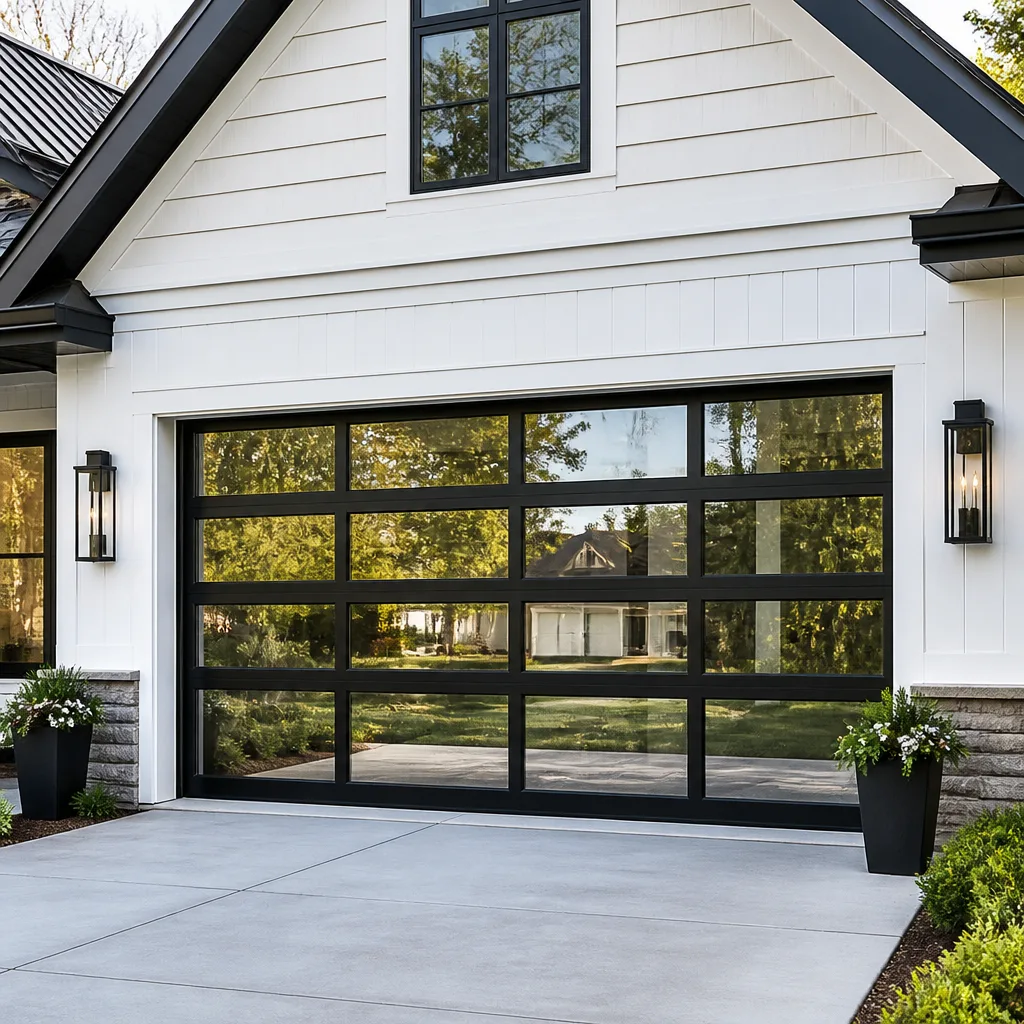 Full-view glass
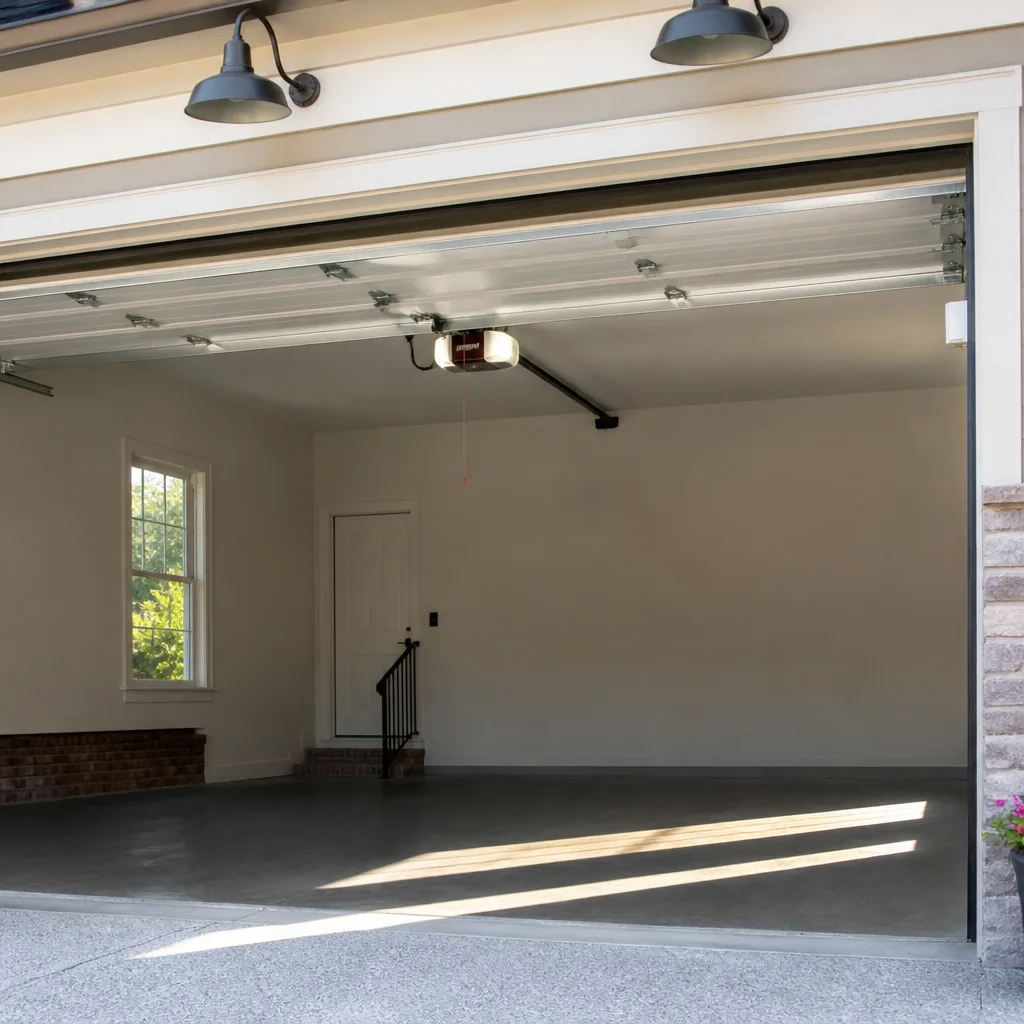 LiftMaster openers
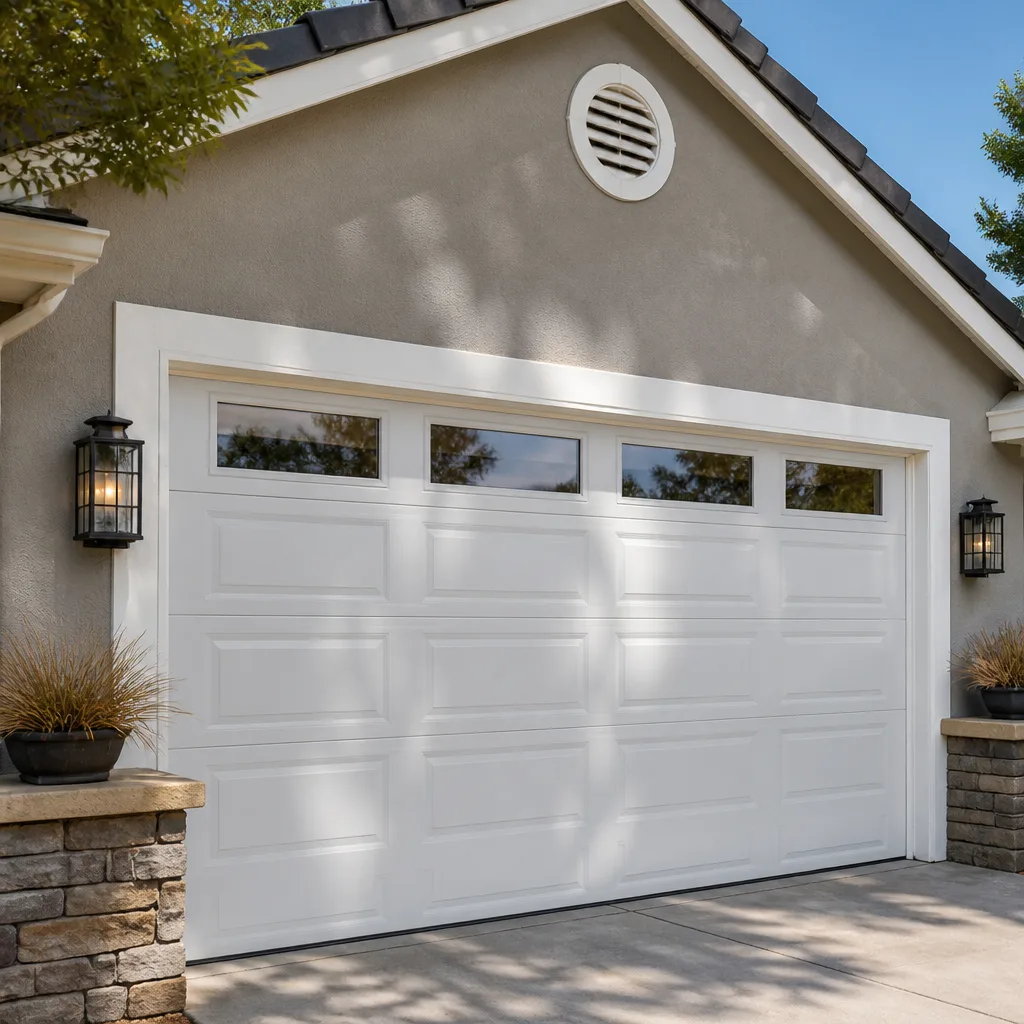 Chamberlain openers
Full 25-point door and opener safety check with every visit - springs, cables, rollers, tracks, and your LiftMaster or Chamberlain opener included
You get a price before we start. It does not change when the pro arrives.
Get your free estimateGarage Door Warning Signs: A Mayfair Homeowner’s Reference Guide
Most garage doors that fail give their owners weeks of notice. The trouble is that the notice arrives as noise, and noise is easy to ignore when the door still goes up. That rhythmic clicking every third panel as your door rises isn’t a quirk. It’s a roller with a cracked nylon bushing, and it’s one stuck section away from jumping the track under load. In this Mayfair guide, we pair each warning sign with the part that usually causes it and a realistic urgency rating, so you know what to call about today and what to simply keep an eye on.
Quick Answer
The four most urgent garage door warning signs are a visible gap in the torsion spring coil, a frayed cable, a door that reverses on its own, and a door that won’t close fully. Stop using the door immediately for a broken spring or frayed cable and arrange a technician visit. Grinding, squealing, and clicking sounds are usually worn rollers or hinges and can be scheduled, but you shouldn’t let them run for months.
Styles & brands we work with
- Raised-panel steel
- Carriage house
- Modern flush
- Full-view glass
- LiftMaster openers
- Chamberlain openers
Table of Contents
- What Your Door Is Telling You: Sound-Based Diagnosis
- Visual Warning Signs Ranked by Urgency
- Using Your Opener as a Diagnostic Tool
- The Slow-on-the-Way-Up Test
- What You Can Address Yourself (and What You Can’t)
- How Mayfair Weather and Housing Shape Wear
- Brand-Specific Notes for Mayfair Homeowners
- Common Mistakes to Avoid
What Your Door Is Telling You: Sound-Based Diagnosis
Sound is the cheapest diagnostic tool you own. Your door has a specific soundtrack when it’s healthy – a low, even hum from the opener and a soft roll from the panels. Any new noise in that soundtrack is worth naming. Here are the four sounds we hear most often from Mayfair homeowners, and the part each one usually points to.
- Grinding: metal on metal, sounds like a heavy drawer stuck in its slide. Usually a dry steel roller or a worn roller running against the track. This is a lubrication or replacement problem, rarely an emergency, but it wears the track edge over time.
- Squealing: high-pitched and constant through the whole travel. Usually the hinge pivot pins, which have lost their grease and are wearing at the knuckle. Left alone, hinges stiffen and put side-load on the panels.
- Banging or a single loud snap: a broken torsion spring or a loose cable drum. This is the one sound that means stop, not schedule. A broken torsion spring also removes the counterbalance, which turns the door into a heavy lift you shouldn’t force.
- Clicking: rhythmic, once or twice per panel as the door passes. Usually a roller with a cracked nylon bushing or a loose track bolt. It sounds harmless because the door works – but clicking rollers are the ones most likely to jump the track under load.
If you can reproduce the sound with the door disconnected from the opener (many openers have a manual release cord, and it’s safe to use, though heavier doors should be handled carefully), you’ve narrowed the fault to the door hardware rather than the opener. If the sound only appears when the opener is driving the door, the opener’s trolley carriage or chain is a likely suspect.
When a sound turns into a broken spring or a door that won’t move, our garage door repair service covers the whole system so the diagnosis happens in one visit. If the door hardware looks fine but the opener is the source, an opener specialist is the right call – see our separate page for garage door opener repair.
Visual Warning Signs Ranked by Urgency
Walk to your door and look at it, not at the opener. Most serious failures show up visually before they show up audibly. We rank the four visual signs below from “stop now” to “watch it.”
- Visible gap in the torsion spring coil (stop using the door immediately). A healthy torsion spring is a continuous coil of metal. A break shows as a single clean gap, often near one end. A broken torsion spring releases the stored energy that lifts the door, and a door without that energy is dead weight. Don’t force it with the opener and don’t try to lift it by hand.
- Frayed cable strand (schedule within 48 hours). Cables run along the sides of the door and lift a lot more than most people expect. A few broken strands sticking out like a stray thread means the cable is losing strength. Don’t touch the cable and don’t let the door run on a frayed one.
- Rust on the spring (monitor monthly). Rust isn’t a failure yet, but it’s a sign the spring is aging. Check the coil once a month – if you see pitting or a rust line growing, plan a spring inspection before the next hard season.
- Misaligned track (adjust within two weeks). Stand at one edge of the door and sight down the track. A track that kinks, dents, or bows outward will bind the rollers. A track that’s only slightly out of true can usually be adjusted, but a badly bent track that forces the door to fight it will eventually damage the panels.
If you see more than one visual sign at once, treat the most urgent one as the priority and mention all of them when you call. In our experience, a door with a rusted spring and a kinked track needs both parts addressed in the same visit or the repaired side wears out the new side.
Using Your Opener as a Diagnostic Tool
Your opener is a diagnostic tool you already own. It doesn’t just push the door – it reports back on force, limits, and travel. Read its behavior before you call anyone, because it tells the technician exactly what to bring.
- Door reversing mid-travel: the opener is sensing resistance and treating it as an obstruction. That can be a genuine obstruction (a toy, a bent track, a stiff roller) or a force setting that’s drifted. The safety reverse is a critical safety feature, so it should never be defeated or disabled to “make it work.”
- Door not closing fully: usually a limit switch that’s drifted, so the opener thinks the door has reached the floor before it really has. This is common after a seasonal change in the door’s travel or after the opener loses its travel settings.
- Remote range dropping suddenly: a sudden loss of range, rather than a slow decline, usually points to the antenna wire, a pinched wire at the opener head, or a logic board problem. If the wall button still works from the inside and the remote doesn’t, the logic board and antenna are the first places to look.
- Opener runs but door doesn’t move: usually a stripped trolley carriage or a disengaged manual release. The motor sounds healthy and the door sits still. Don’t run the opener repeatedly – it just wears the gear further.
Before you diagnose, look for the model number on the opener head. If it’s a LiftMaster or Chamberlain unit (both common in Mayfair homes), the manual will tell you where the force and limit adjustments are. Our technicians have up to 12 years of experience and work on those brands daily, so they know which adjustment is safe to touch and which one wants a part.
If you’ve lost access entirely and the door won’t open, our emergency service line is set up for urgent situations. Call (833) 468-5701 and describe the opener behavior – it helps the technician load the right parts before arriving.
The Slow-on-the-Way-Up Test
This is the test most homeowners never run, and it’s the one that catches spring fatigue before the spring breaks. A healthy torsion system lifts the door with almost no effort from the opener. As the spring weakens, the opener does more of the lifting, and the door gets slower. Your door will feel and sound “heavier” for weeks before the spring fails.
Here’s how to run it safely:
- Open the door fully once to warm the mechanism, then close it.
- Time a full open with your phone, from the moment the motor starts to the moment the door reaches the top.
- Time another full open, and a third. Note the average.
- Write the number on a piece of tape inside the opener head, dated. Do the same test once a month.
- If the time increases by more than a second or two over a few weeks, the spring is likely fatiguing. That’s the window to book a spring inspection, before the door stops lifting entirely.
Two cautions. First, this test requires the door to travel freely – it’s not for doors that are binding or visibly out of line. Second, never run the test on a door with a known broken spring, frayed cable, or rusted coil; those need a technician before you press the button again.
The counterweight nature of the spring means a fatiguing spring also loads the opener. If your opener starts cutting out or reversing on the way up near the same time, the spring may be the underlying cause rather than the opener. Our Garage Door Repair Mayfair technicians check both the opener and the spring in the same diagnostic visit so you don’t replace an opener that only needed a spring.
What You Can Address Yourself (and What You Can’t)
Some garage door care is safe for a homeowner. Some isn’t, and it’s worth being honest about the line. Our rule: you can touch anything that isn’t under tension and isn’t live wiring.
Safe for most homeowners:
- Lubricating rollers, hinges, and the track with a proper garage door lubricant. Do this a few times a year – a dry roller is the source of most grinding and squealing.
- Cleaning the photo-eye lenses at the bottom of the door and checking the safety reverse still works with a small obstruction.
- Tightening a visibly loose track bolt with a socket wrench – gently, without forcing the track into a new shape.
- Adjusting the opener’s force and limit settings only when following the manufacturer’s instructions for your specific model, and only if the door moves freely and isn’t binding. If the door binds, stop and call.
- Replacing the remote battery and checking the wall button connection.
Not a homeowner job:
- Torsion springs, extension springs, and cables. These hold the door’s weight under high tension. A spring under load can release suddenly and cause serious injury. Replacing one is a two-person job with proper winding bars and a trained technician, not a DIY weekend project.
- Opener logic board or wiring. Anything that involves opening the opener housing and touching live electrical components should be handled by someone qualified. Even after the breaker is off, capacitor discharge can be dangerous.
- Any door that’s stuck off its track. Forcing a door back onto a track can bend the panel, damage the rollers, and, in the worst case, drop the door.
If you’re not sure which category your problem falls into, call us and describe it. We’d rather tell you it’s a ten-minute fix you can do yourself than have you attempt a spring replacement.
How Mayfair Weather and Housing Shape Wear
Mayfair’s climate is a factor in how these warning signs show up. Hot, humid summers followed by cold winters means your door’s metal components expand and contract through more range than in a milder climate. That cycle is hard on torsion springs, which lose tension as the metal fatigues. The humidity also speeds up rust on the spring coil and the track, which is why we recommend a monthly visual check rather than an annual one.
The mix of older homes and newer construction in Mayfair also changes what fails first. In older homes, the hardware often outlasts the spring, so you’ll see stiff hinges and worn rollers more than opener failures. In newer construction, opener logic boards and limit switches tend to be the first failure point because the door hardware is still relatively fresh. Either way, the warning signs on this page apply – you just want to know which end of the system to check first.
A door that’s misaligned in the track, a common issue after a hot summer and cold snap, can also throw off the opener’s travel settings. If you’ve noticed the door hesitating at the same spot every time, sight down the track before you assume the opener is at fault.
Brand-Specific Notes for Mayfair Homeowners
Different brands have different failure patterns, and knowing yours helps you describe the problem accurately on the phone. Here’s what we see most in Mayfair.
- Craftsman openers (often the older belt-drive models still going strong in mid-century homes) are prone to stripped trolley carriages and worn drive belts. The belt or carriage is usually the part, not the motor.
- Raynor doors tend to hold up well on the panels but are hard on the springs in high-cycle homes – if yours is a double-door setup, spring fatigue is the first thing to time.
- LiftMaster and Chamberlain openers (same company, different consumer labels) share most internals. Sudden remote range drop, limit drift, and logic board issues show up on both, and the fix is often the same.
If your door or opener is a brand we haven’t listed, describe it and we’ll tell you straight whether we service it. We’d rather set the right expectation than have you pay for a visit that ends with an apology. For homeowners considering replacing a door that’s long past repair, our garage door installation service is available so we can advise honestly on the repair-versus-replace question without an incentive to sell you a new door.
Common Mistakes to Avoid
- Ignoring a broken spring because the door still lifts. A door with a broken spring is being carried by the opener – it works for a while, then the opener gear strips. Don’t run the door while you wait for the technician.
- Forcing a door that’s jumped the track. Yanks and leverage bends panels and can drop the door. Leave it where it is and call.
- Over-lubricating the track. The track wants a thin film, not a pool. Excess oil collects grit and turns into grinding paste. Wipe the track with a dry rag after a light coat of lubricant.
- Disabling the safety reverse because the door keeps reversing. That safety feature protects people and pets under a closing door. If it’s tripping repeatedly, the fix is the obstruction or the setting, not the sensor itself.
- Running the opener on a wood door in the middle of a cold snap. Cold weather stiffens the door; if the spring is already fatigued, the opener does the extra work and the stress concentrates on the weakest part. If the door feels heavy, run the timing test before you press the remote.
- Calling a general handyman for a spring or cable job. Those are specialist repairs. A generalist might not carry the winding bars or the correct spring size, and a mismatched spring is worse than the broken one.
- Assuming a new opener will fix a noisy door. If the noise is coming from the hinges, rollers, or track, a new opener will just make the same noise with a younger motor.
See the difference
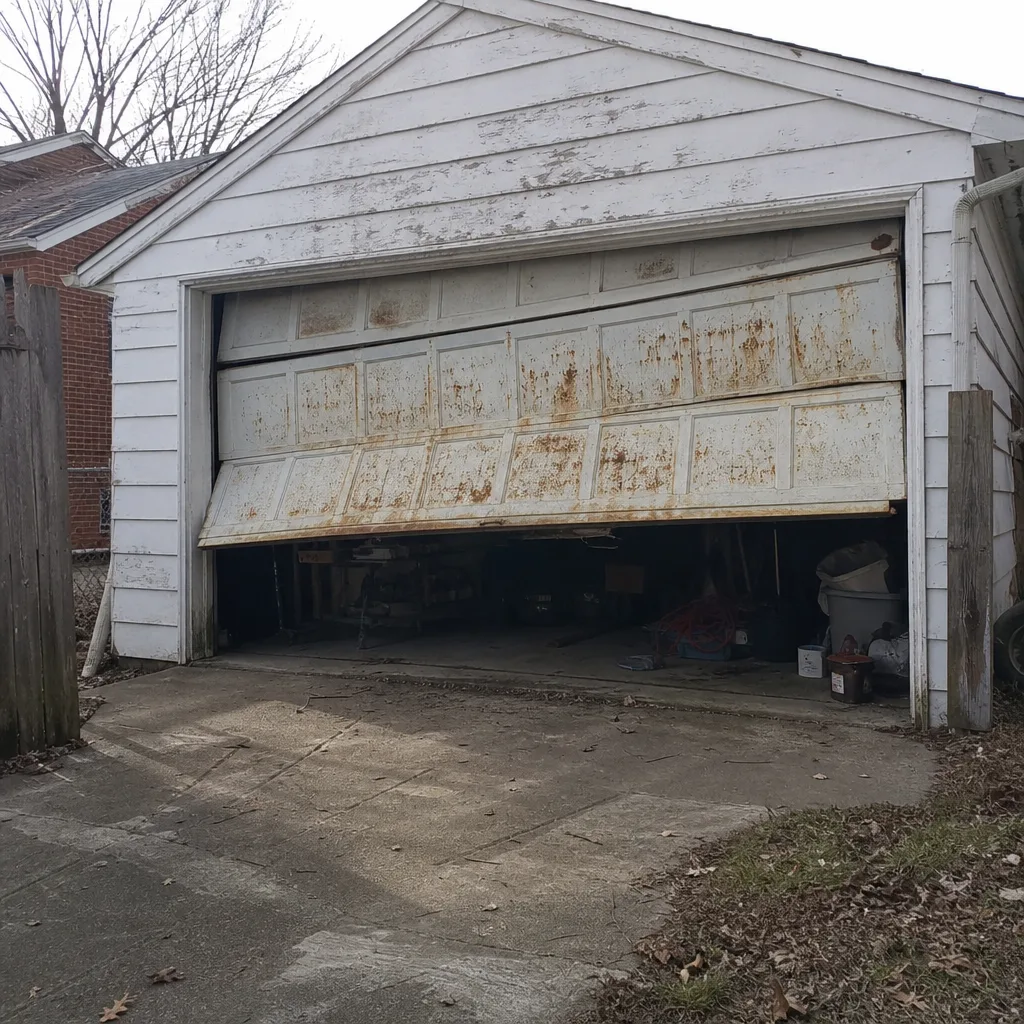 Before
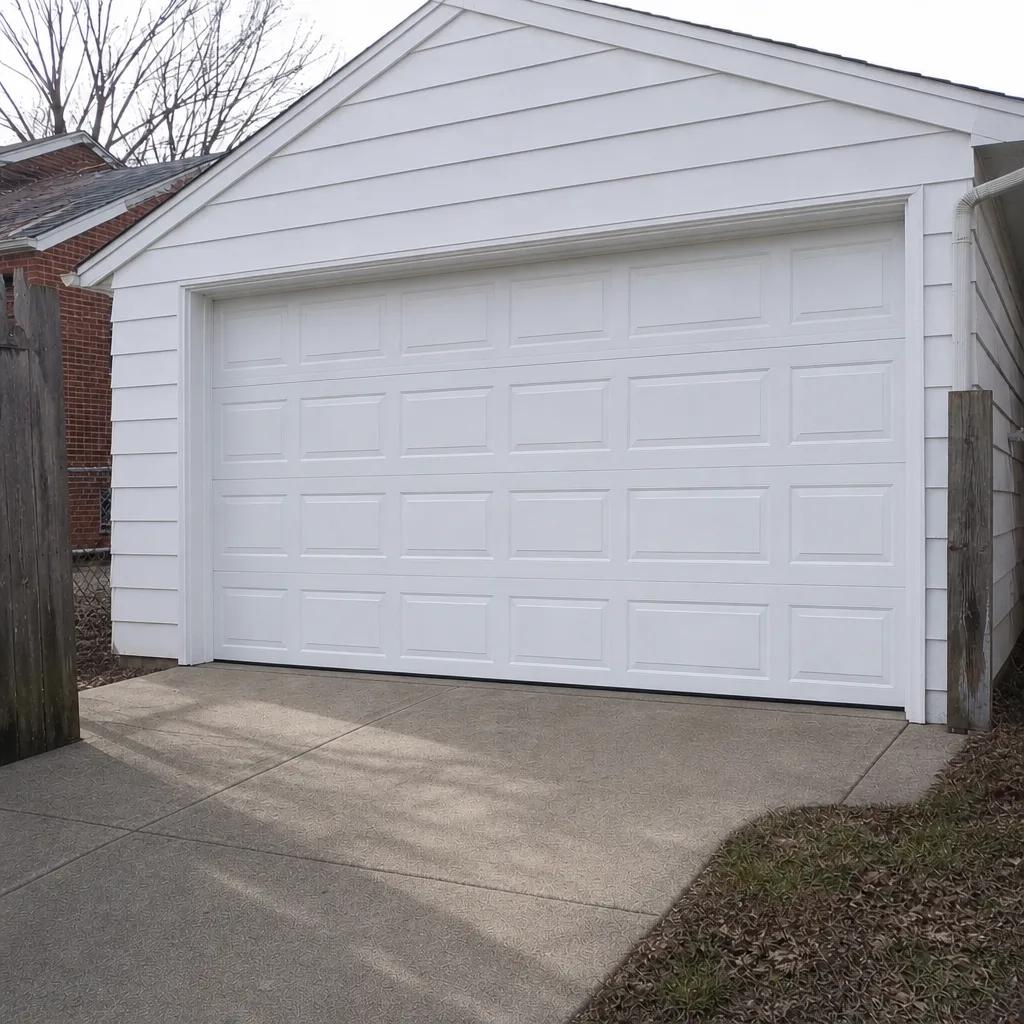 After
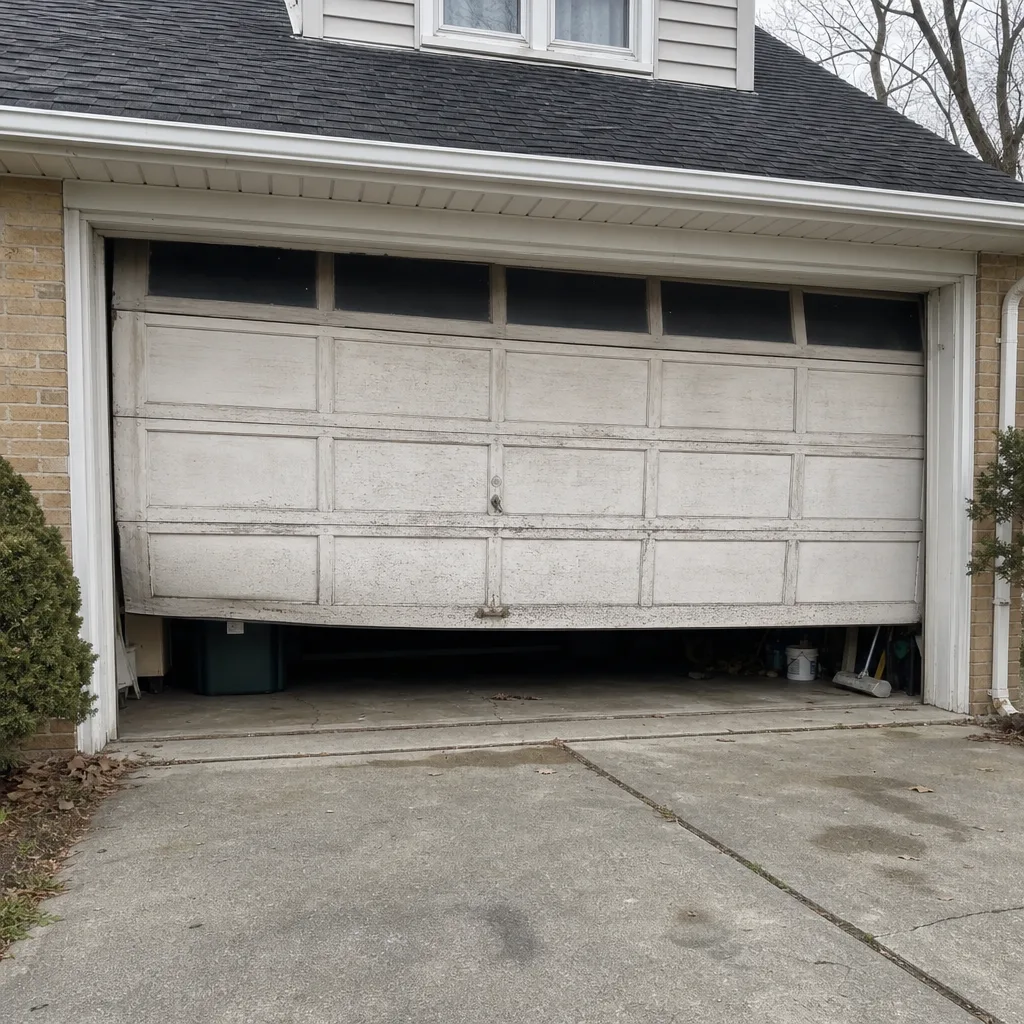 Before
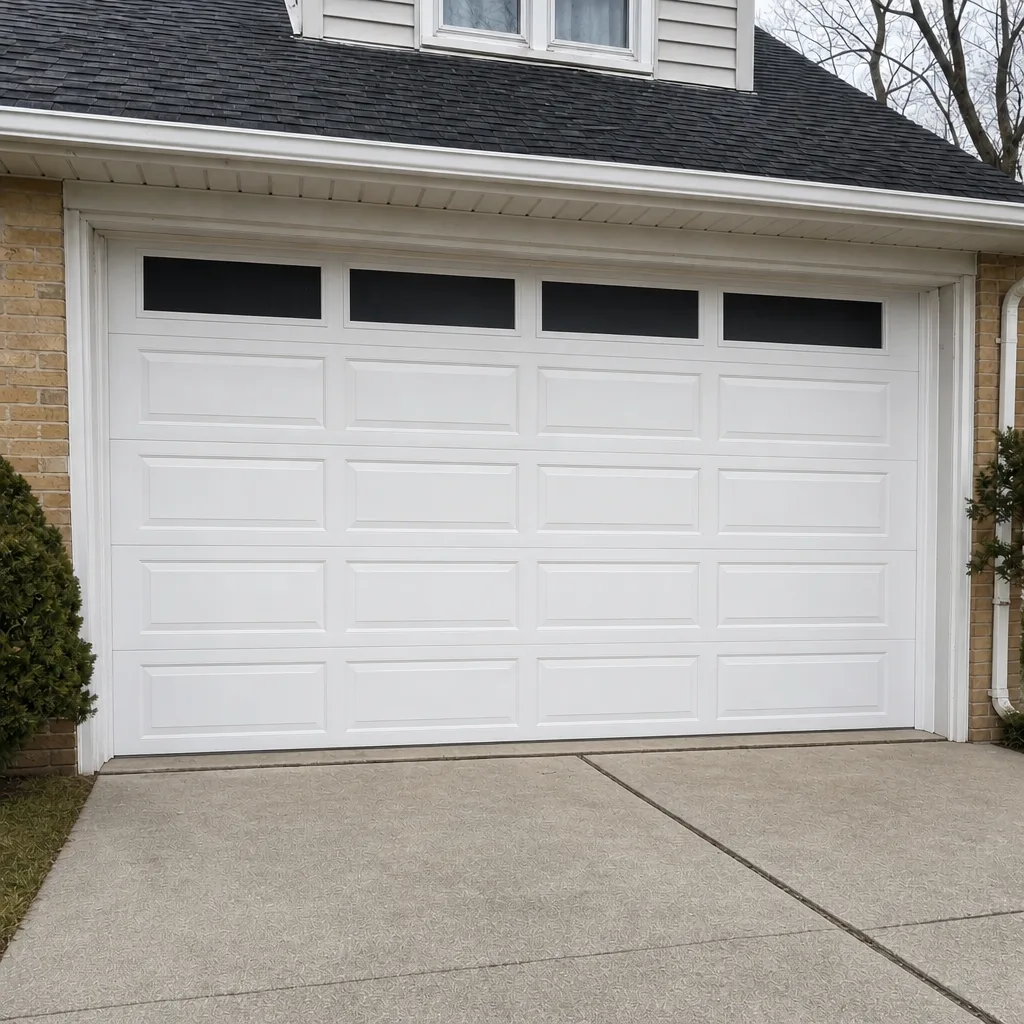 After
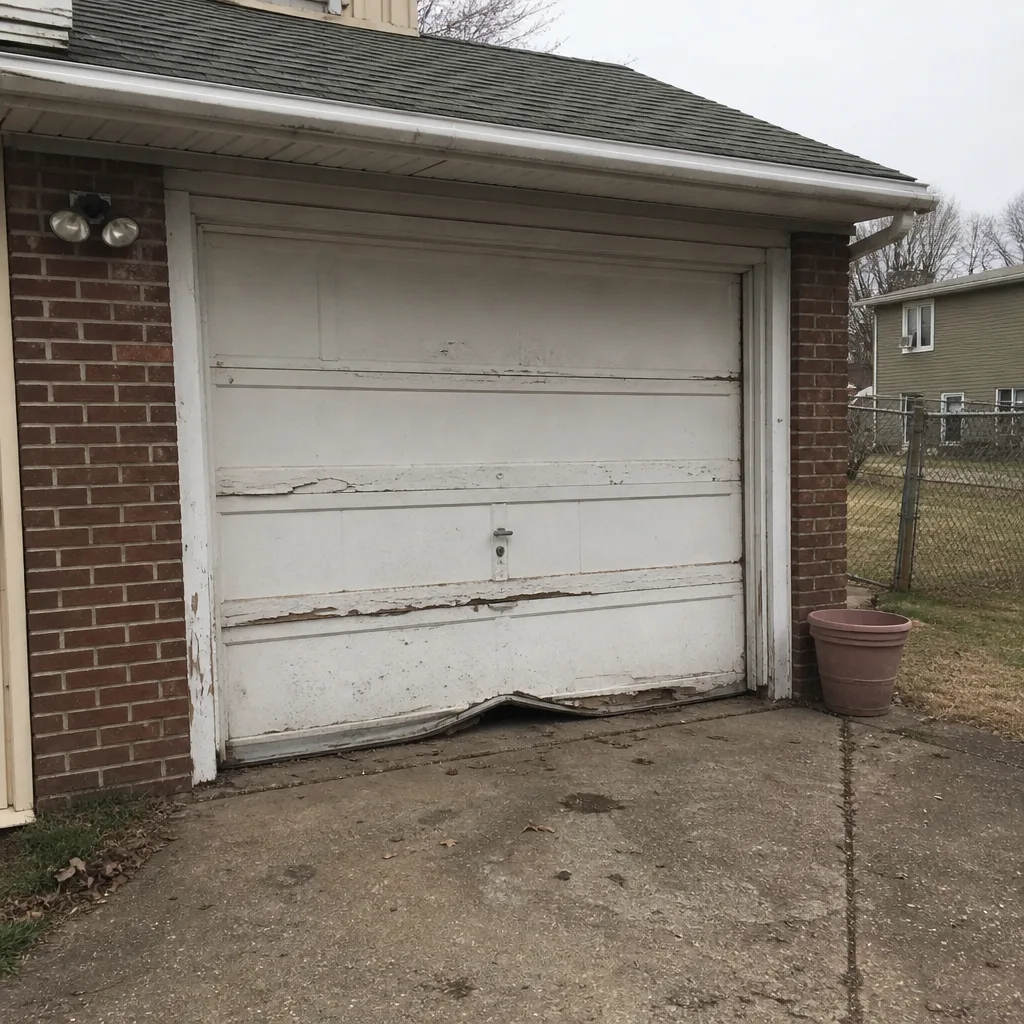 Before
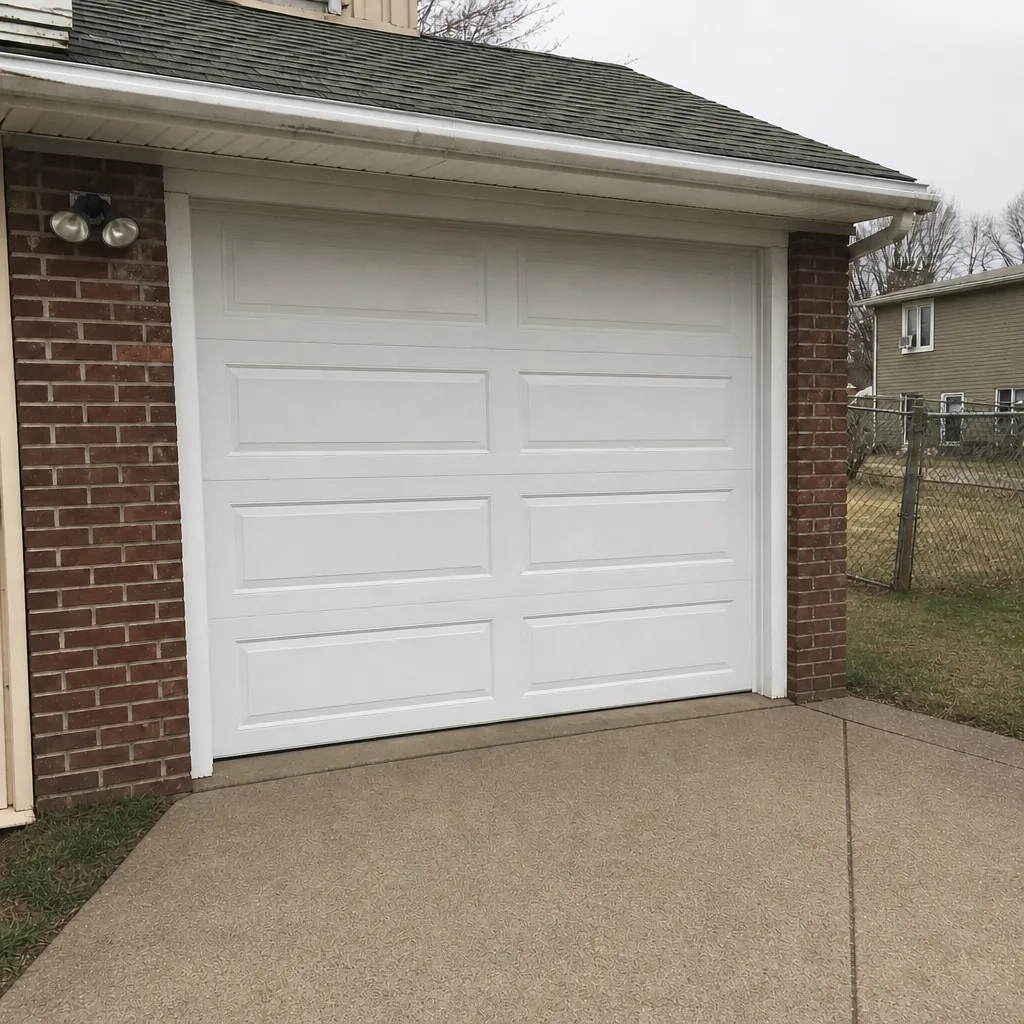 After
When to Call a Professional
Some warning signs are a weekend project; others are a call. Call us for a broken torsion or extension spring, a frayed or snapped cable, a door that’s off its track, a door that reverses mid-travel after you’ve ruled out an obvious obstruction, any door with visible rust pitting on the spring, and any opener that’s cutting out, burning smell, or losing its settings. For those situations, the door should not be used until a technician has looked at it. We offer free estimates in Mayfair, and we quote and agree on the price before any work starts – so the number you hear on the phone is the number in the written estimate. Call (833) 468-5701.
Frequently Asked Questions
The reliable clue is a slowly increasing open time, a door that feels heavier, and rust along the coil. If you time your door’s open travel monthly and the number creeps up, that’s the window to book an inspection – a broken torsion spring is a stop-use event, so catching it early avoids the emergency.
Clicking is usually a roller with a cracked nylon bushing or a loose track bolt, and it’s a schedule-it repair rather than an emergency. It matters because clicking rollers are the ones most likely to jump the track under load. If you hear clicking, book a repair within a few weeks rather than waiting for the door to fail. Call (833) 468-5701 for a free estimate.
Yes, and you should. Use a garage door lubricant on the rollers, hinges, and track a few times a year, wipe off excess, and check that the safety reverse still works. Never attempt the springs or cables – those are under high tension and need a trained technician.
Most likely the safety reverse is tripping on an obstruction, or the force setting has drifted. Check the photo-eye lenses and the floor area first. If it still reverses on a clear path, a technician should check the force setting and the track alignment – the safety reverse should never be disabled to work around the problem.
Spring repair is per spring, and a matched pair usually costs about twice a single spring because both are replaced together. The written estimate sets the final price, and the price is quoted and agreed before any work starts – so there’s no surprise on the invoice. Call (833) 468-5701 for an exact quote; estimates are free.
The technician visiting your door is a garage door specialist, not a general handyman, and our technicians have up to 12 years of experience on the doors and openers we service. We work on Craftsman, Raynor, LiftMaster, Chamberlain, and the other major brands in the Mayfair area. The local professional is licensed and insured as the state requires. Call (833) 468-5701 with your brand and model for the fastest estimate.
The Bottom Line
Your garage door is one of the few things in the house that tells you what’s about to fail. The clicking roller, the slow open, the rust on the spring, the reversing door – each one points to a specific part and a specific urgency. The rule of thumb: any spring or cable sign is a stop-use, any track or track-bolt issue is schedule-it, and any sound that’s new is worth naming. Run the timing test once a month. Lubricate what’s safe to lubricate, leave the tensioned parts to a technician, and call at the first sign of a gap in the spring coil or a frayed cable.
If you’re in Mayfair and you’ve seen or heard any of these signs, we’d rather look at it early than have you wait for it to fail. Garage Door Repair Mayfair offers free estimates in Mayfair. Call (833) 468-5701 to book a visit and get a written price before any work starts.
Written by the team at Garage Door Repair Mayfair.